PlantFun
Botanical Overview & Quick Prescription
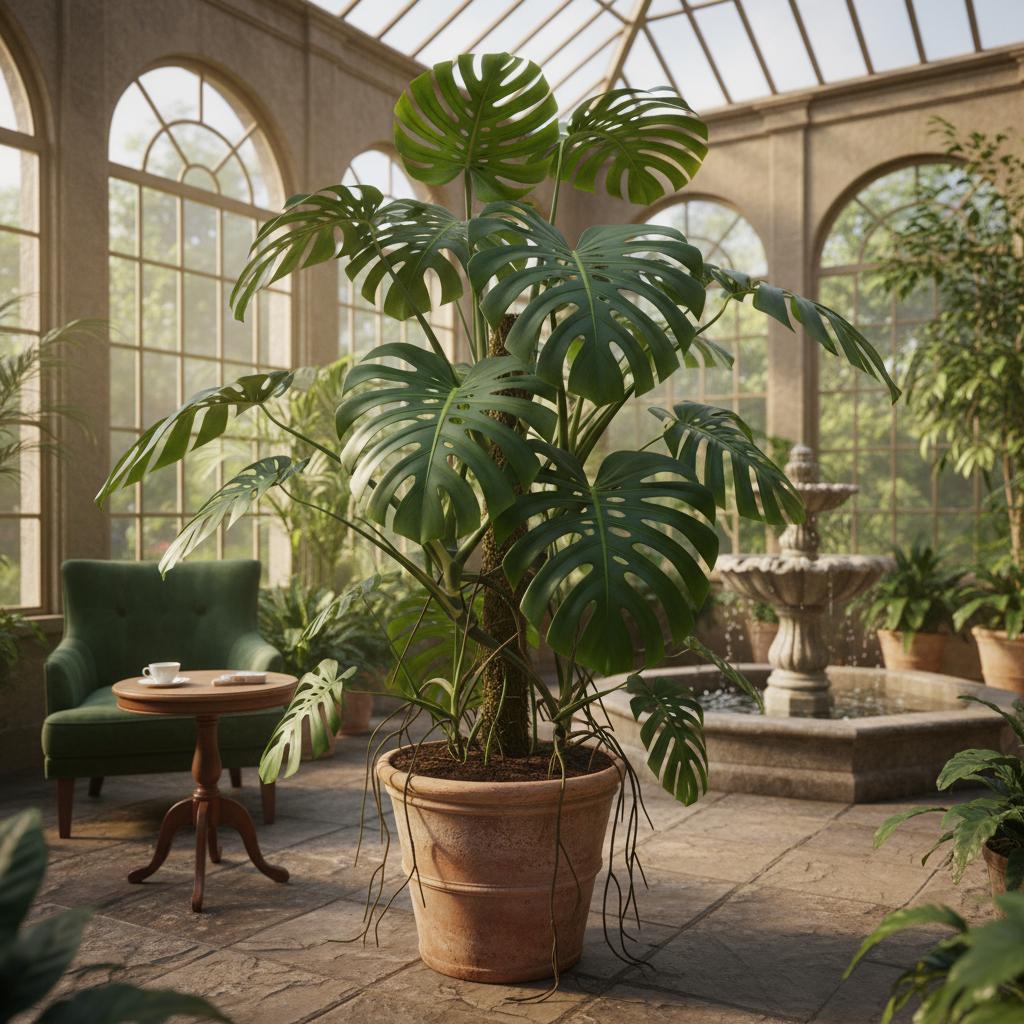
Swiss Cheese Plant (Monstera deliciosa) is a hemiepiphytic perennial liana in the family Araceae, native to the tropical rainforests of southern Mexico and Central America. Renowned for its distinctive fenestrated leaves, it thrives indoors under bright, indirect light; prolonged exposure to intense direct sunlight scorches the foliage, whereas inadequate luminescence halts fenestration and stunts growth. Irrigate thoroughly only when the top two to three inches (5–7 cm) of substrate become desiccated, mitigating the threat of lethal root rot caused by Pythium or Phytophthora pathogens. Plant in a porous, chunky aroid substrate consisting of peat moss or coco coir, coarse perlite, orchid bark, and horticultural charcoal to ensure rapid drainage and sustained aeration for subterranean and aerial roots. Due to the presence of insoluble calcium oxalate raphide crystals throughout its tissues, Monstera deliciosa is toxic to domestic pets and humans upon ingestion, precipitating immediate oral irritation and edema.
Plant Needs
Characteristics
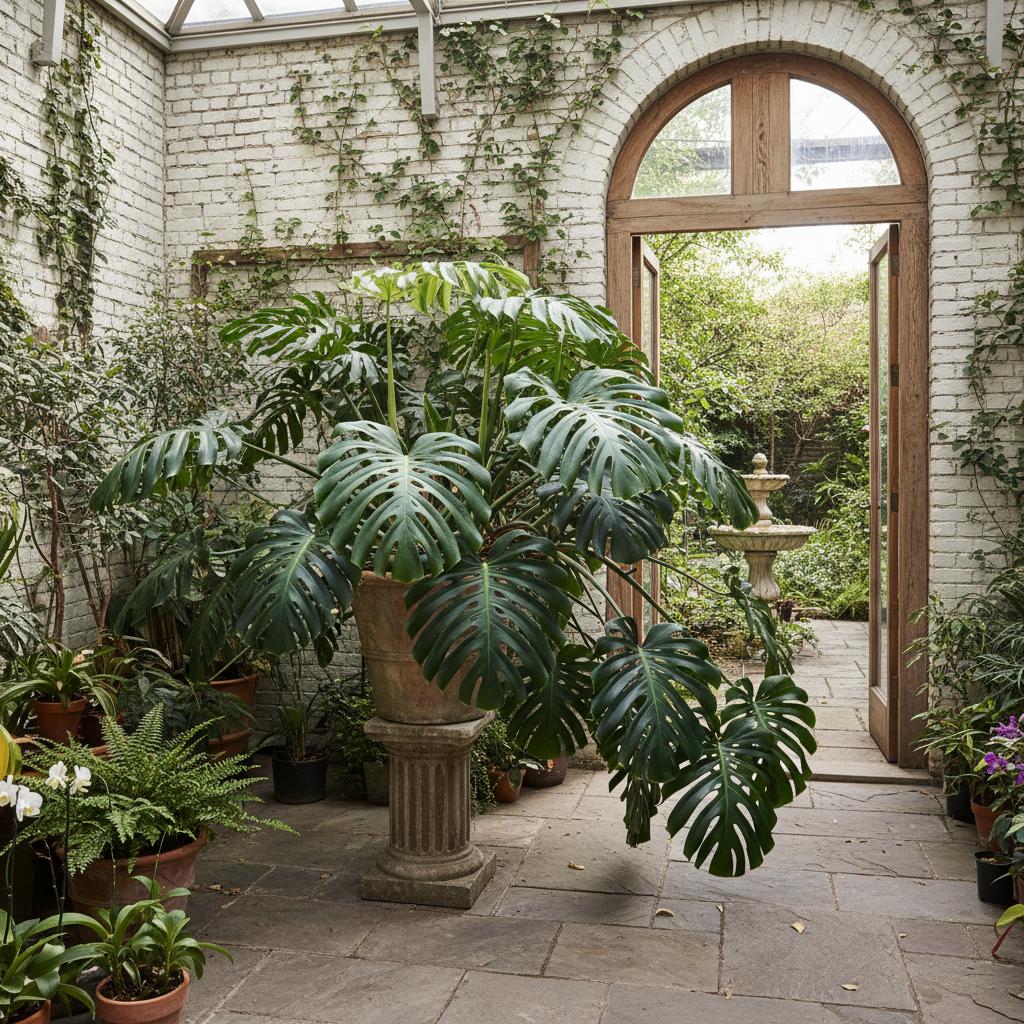
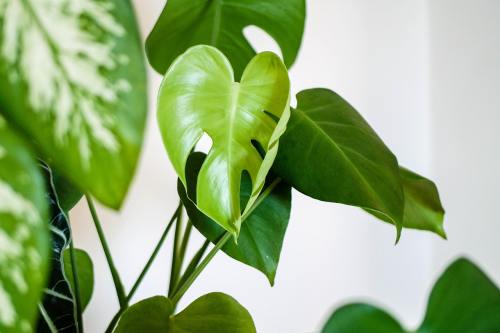
- Leaf: Mature leaves are large, glossy, and deeply split with irregular fenestrations; juvenile leaves lack splits
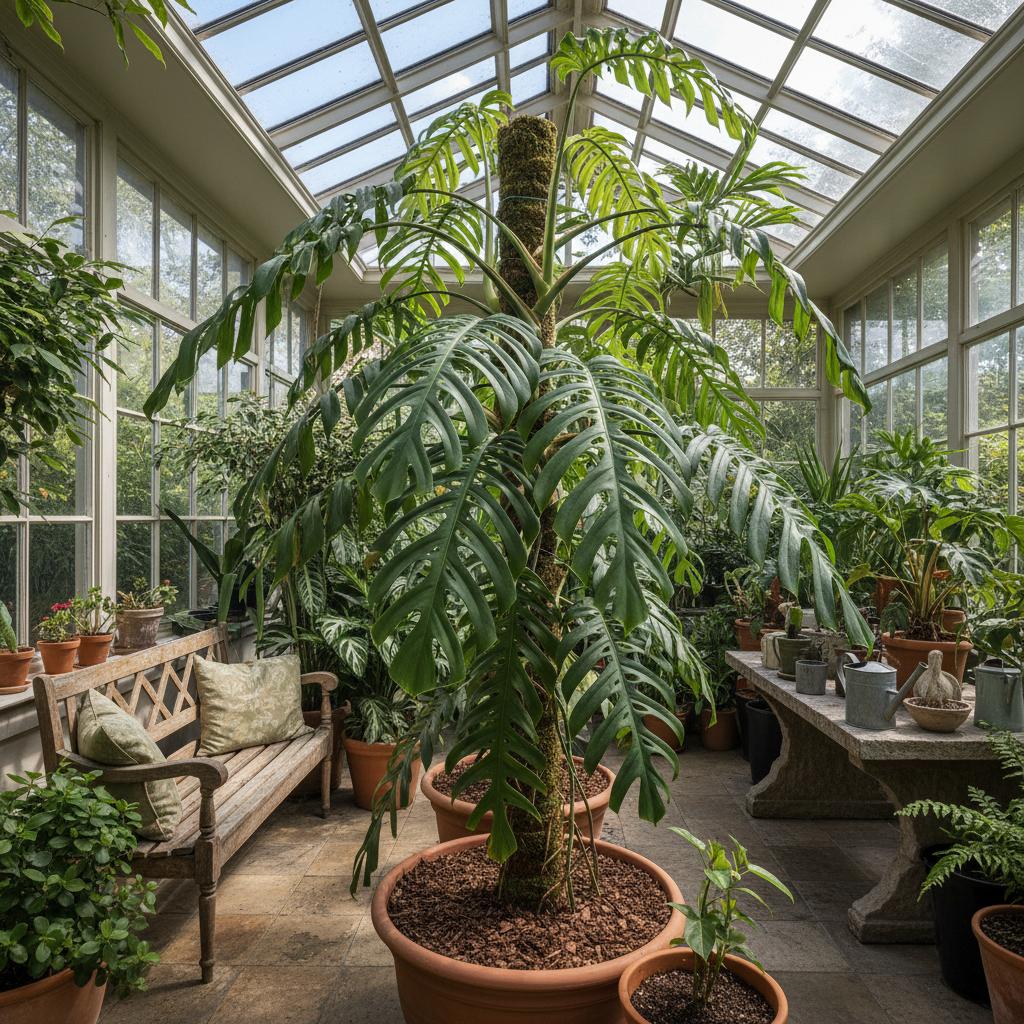
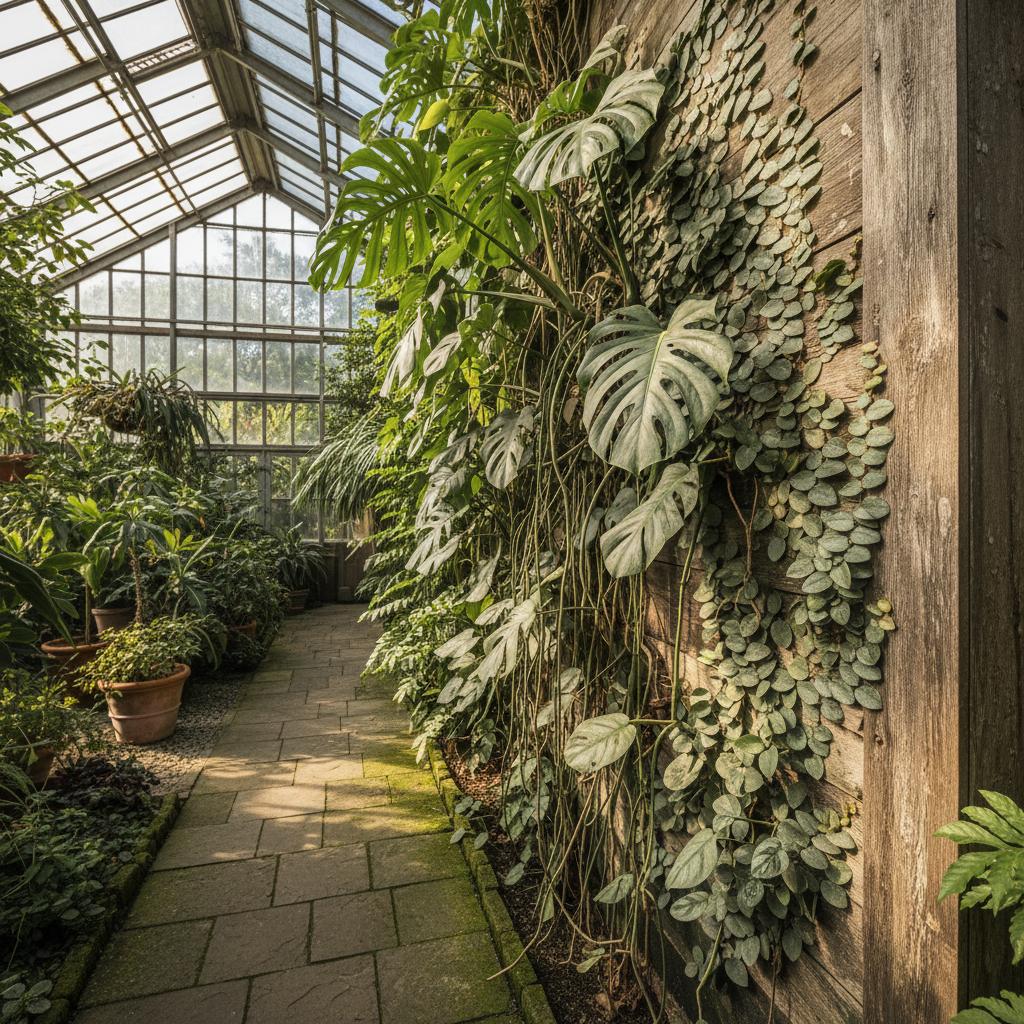
- Stem: Thick, woody stems with aerial roots that anchor to supports and absorb moisture
- Inflorescence: Spadix enclosed in a creamy white spathe; produces edible fruit when fully ripe
Horticulturist's Real-World Field Notes (No AI Fluff)
Never let your Monstera sit in runoff water. After watering thoroughly, empty the saucer within 20 minutes. Soggy root zones choke oxygen and trigger lethal black root rot.
Simple answer: light deficit. In dim rooms, Monsteras stay juvenile with solid heart-shaped leaves. Move it within 3-4 feet of an east or south-facing window, and watch the next leaf unfurl with glorious splits.
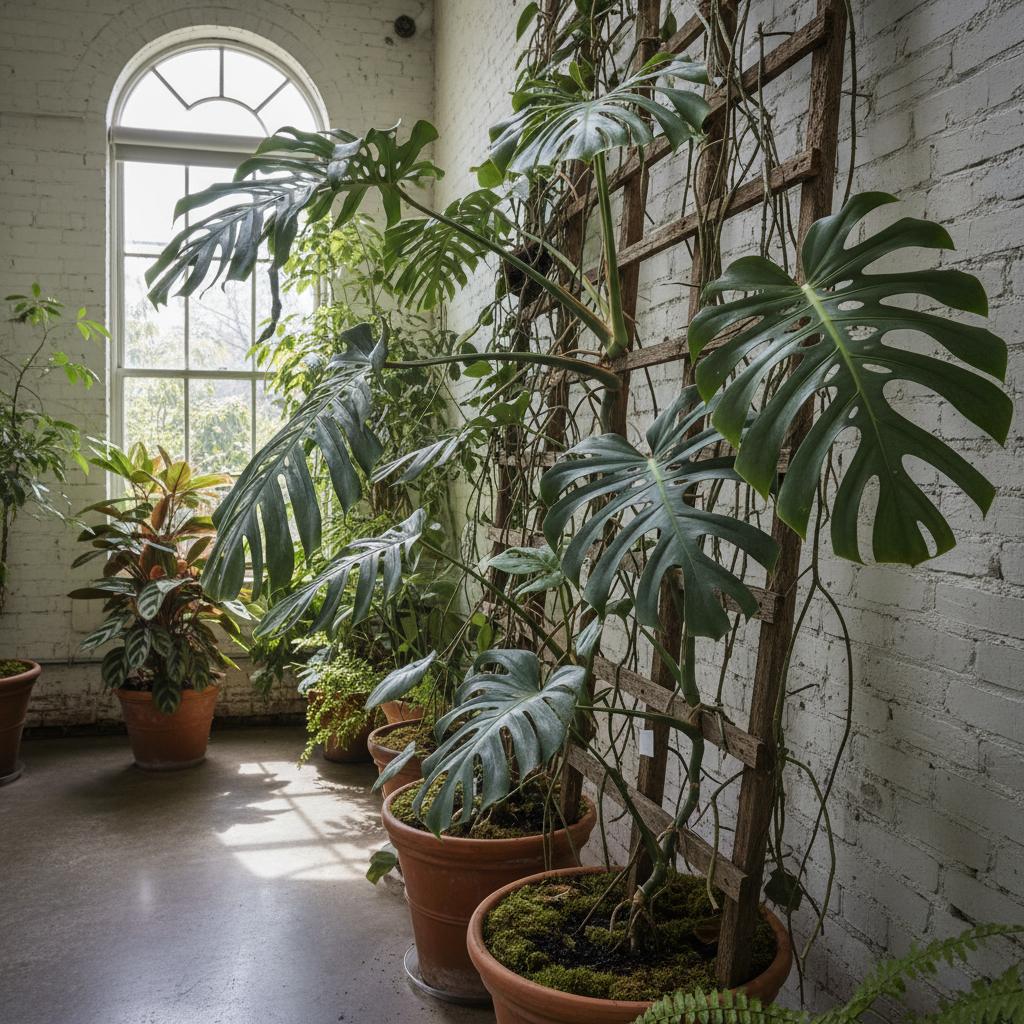
Those weird brown cords creeping out of the stem aren't ugly weeds—they are climbing anchors. Guide them gently onto a moist coco-coir pole or push them into the soil. It speeds up leaf sizing dramatically.
Monstera's broad foliage is a dust magnet. Wipe leaves with a damp microfiber cloth monthly so they can photosynthesize at 100% capacity.
Care Guide
Keep soil consistently slightly moist, but never waterlogged
Apply diluted balanced liquid fertilizer once monthly. Avoid fertilizing in winter when growth slows to prevent nutrient buildup
Composted banana peel tea:Steep fully composted banana peels in water for 24 hours, dilute 1:20, and use to drench soil; discard solid peels to avoid pest attraction- Remove yellowing or damaged leaves at the base to improve airflow and appearance
- Tie aerial roots to a moss pole or support to train upward growth and maintain desired shape
- Trim overgrown stems in early spring to control size; use clean, sharp shears to prevent disease transmission
Pet & Human Toxicity & Emergency Guide
Toxicity Warning: Veterinary toxicology registers Swiss Cheese Plant (Monstera deliciosa) as possessing biochemical compounds (such as insoluble oxalates, alkaloids, or saponins) that pose ingestion hazards to felines and canines.
Oral pain, hypersalivation (excessive drooling), pawing at mouth, swelling of tongue or lips, vocalization, and vomiting.
Oral mucosal irritation, gagging, retching, lack of appetite, lethargy, diarrhea, and difficulty swallowing.
Do NOT induce vomiting without veterinary instructions! Carefully remove remaining plant pieces, gently rinse mouth with cool water, and monitor breathing.
Chewed leaf or stem? Open PlantFun App to scan the plant, immediately verify the botanical species, and view ASPCA toxicity severity ratings & vet first-aid advice.
Troubleshooting & Common Plant Problems
Quick diagnostic guide for common care issues affecting Swiss Cheese Plant (Monstera deliciosa):
Most commonly caused by overwatering or poor drainage. Ensure topsoil dries out between waterings and check for root ventilation.
Low ambient humidity, hard tap water minerals, or direct midday sunburn. Increase humidity and use filtered water.
Indicates dehydration or root damage from prolonged waterlogging. Inspect soil moisture and root firmness.
Dry indoor air encourages pests. Wipe leaves with a damp cloth and treat with insecticidal soap or neem oil.
Take a photo of any leaf on PlantFun App to get instant diagnosis of diseases, pests, and custom care recovery steps.
Propagation & Repotting Guide
- Taking Cuttings: During active spring or summer growth, take a healthy 4–6 inch cutting just below a node using clean shears.
- Rooting Medium: Place cuttings in fresh water or moist perlite mix in bright, indirect light; refresh water weekly.
- Potting Up: Transplant into well-draining potting mix once roots reach 2 inches in length (typically 3–5 weeks).
Seasonal Care Calendar
- Spring & Summer (Active Growth): Water thoroughly as topsoil dries; apply diluted balanced fertilizer monthly; encourage steady growth.
- Autumn (Transition): Gradually reduce watering frequency as daylight hours shorten; discontinue fertilization.
- Winter (Dormancy): Water sparingly only when soil is mostly dry; protect from cold window drafts; keep in warm room.
Frequently Asked Questions
How often should I water my Swiss Cheese Plant?
Water thoroughly when the top 1–2 inches of soil feel dry. In active growth (spring/summer), water every 1–2 weeks; reduce significantly in winter.
Where is the best indoor location for Swiss Cheese Plant?
Position in bright, filtered indirect light (e.g., near an east or south-facing window with sheer curtains). Avoid harsh direct midday sun.
Is Swiss Cheese Plant toxic to pets?
ASPCA-confirmed toxic; ingestion leads to oral pain, drooling, and vomiting
When should I repot my Swiss Cheese Plant?
Repot every 1–2 years in spring when roots outgrow the drainage holes or the soil depletes nutrients.
Garden Uses & Culture
Culture: Leaf fenestrations symbolize light, openness, and adaptability in modern interior design
Usage: Primary use as an indoor ornamental foliage plant; ripe fruit is edible when fully mature
Symbolism, Feng Shui & Living Decor
In botanical symbolism, Monstera represents longevity, honor, and enduring prosperity because of its deep tropical roots and climbing vitality. In Feng Shui, placing a flourishing Swiss Cheese Plant in the southeastern corner (the Wealth & Abundance sector) of your living room or office helps balance energy and circulate fresh Chi.
Pot size, soil drainage, and local climate differ for every home. Snap a photo on PlantFun App to calculate your exact personalized watering interval and get 24/7 AI diagnosis.