 PlantFun
Plant Needs
Characteristics
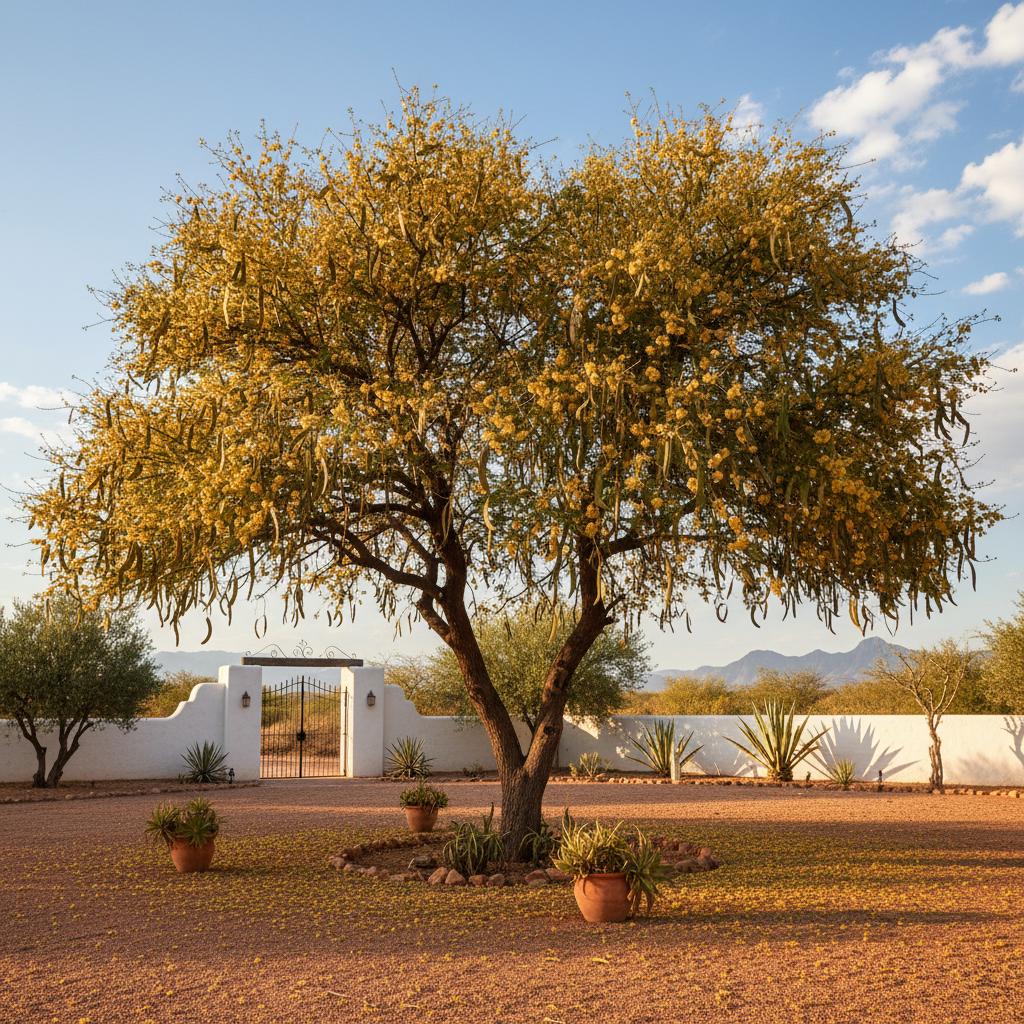
- Leaves: Bipinnately compound, silvery-grey to glaucous green, finely divided and fern-like;
- Flowers: Small, spherical, bright yellow fluffy flower heads arranged in large racemose inflorescences, highly fragrant;
- Bark: Smooth and silvery-grey on young branches, becoming deeply fissured and dark grey to black with age;
- Fruit: Flattened seed pods, purplish-brown, containing several black seeds.
Care Guide
Water deeply once a week during active growth and dry spells.
Apply a low-phosphorus organic mulch or compost; generally does not require heavy feeding.. Fertilization recommendations description
Coffee Ground Compost:Sprinkle a small amount of used, cooled coffee grounds around the base to maintain slight soil acidity and provide gentle nitrogen. Do not apply thickly to avoid mold.- Prune immediately after flowering to shape the tree and encourage bushy growth;
- Remove dead, diseased, or crossing branches to maintain good air circulation;
- Avoid hard pruning into old wood, as it may not resprout reliably.
Toxicity
Warning: this plant may be toxic.
Pets: Non-toxic per general botanical safety guidelines; ingestion of large amounts of plant material may cause mild, self-limiting gastrointestinal upset.
Humans: Generally considered non-toxic, though pollen may cause allergic reactions in sensitive individuals.
Garden Uses & Culture
Culture: In Europe, particularly in France and Italy, the blooming branches (often sold as "mimosa") are traditionally given on International Women's Day to symbolize elegance and strength.
Usage: Widely used as an ornamental tree, in floristry for cut flowers, and historically in the perfume industry for its essential oils.