 PlantFun
Plant Needs
Characteristics
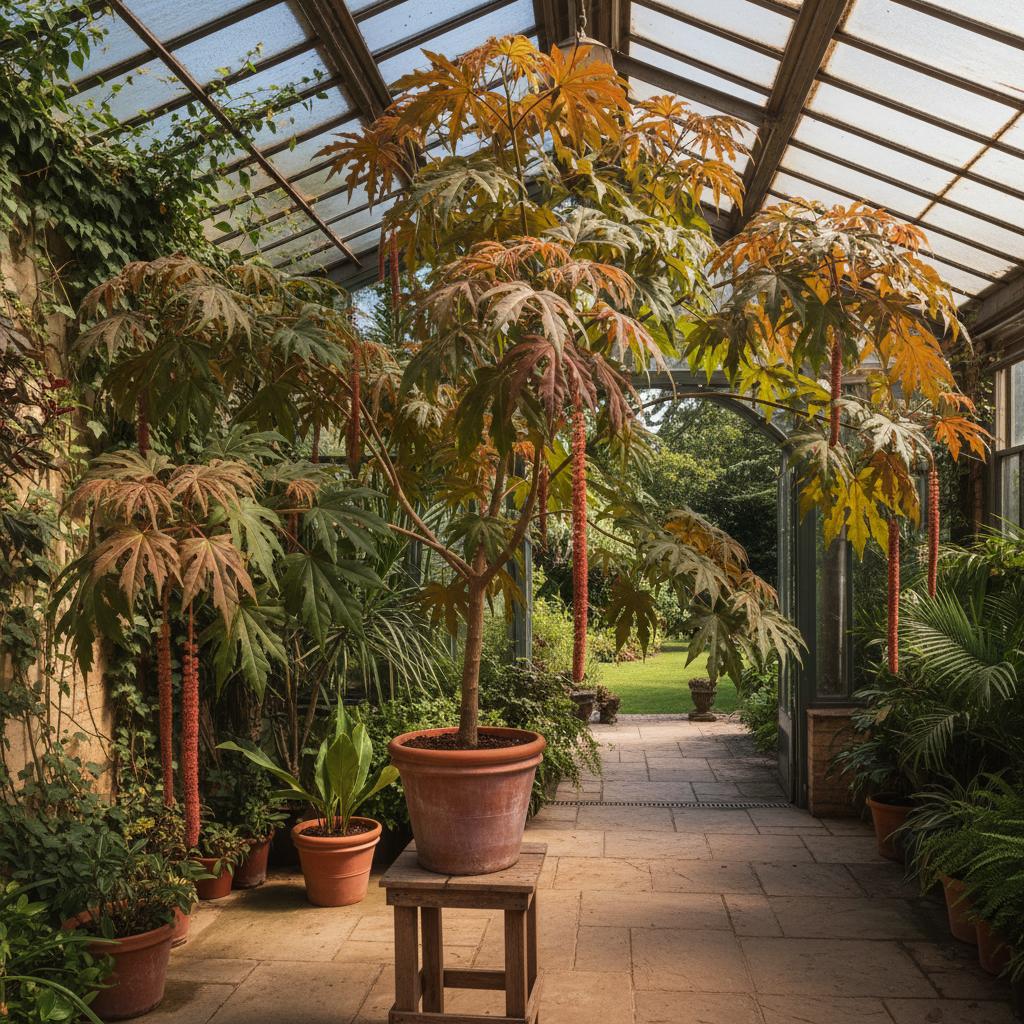
- Leaves: Alternate, highly variable in shape from ovate to lanceolate, 5-15 cm long, margins serrate, often pubescent on both surfaces;
- Flowers: Monoecious, tiny and apetalous, arranged in slender, axillary or terminal catkin-like spikes;
- Bark: Slender branches, finely pubescent when young, maturing to a woody grayish-brown.
Care Guide
Water thoroughly when the top inch of soil feels dry, keeping the root zone consistently moist.
Apply a balanced organic fertilizer to support new foliage and root growth.. Feed monthly during the active growing season; withhold fertilizer during winter.
Banana Peel Tea:Steep chopped banana peels in water for 24-48 hours. Dilute the liquid 1:1 with water and apply to the soil base. Discard the solid peels in an outdoor compost bin to avoid attracting indoor pests. This promotes healthy root development and flowering.- Prune in early spring to maintain a desirable shape and control size;
- Remove any dead, diseased, or crossing branches to improve air circulation;
- Pinch back young shoots to encourage bushier growth.
Toxicity
Warning: this plant may be toxic.
Pets: May cause mild gastrointestinal irritation, vomiting, or diarrhea if ingested (per ASPCA guidelines for Acalypha species).
Humans: Sap may cause minor skin irritation; ingestion can lead to mild gastrointestinal upset.
Garden Uses & Culture
Culture: N/A
Usage: - **Ecological**: Acts as a pioneer species in ecological restoration of disturbed Neotropical forests; - **Traditional**: Used in some local traditional practices within its native range, though not widely cultivated commercially.