 PlantFun
Plant Needs
Sunlight
Prefers partial sun to full sun; dappled shade is ideal to prevent leaf scorch in hot climates.
Watering
Requires moderate watering; prefers consistently moist but well-drained soil.
Temperature
Hardy to USDA zones 5-8; tolerates freezing winter temperatures but struggles in extreme, prolonged summer heat.
Characteristics
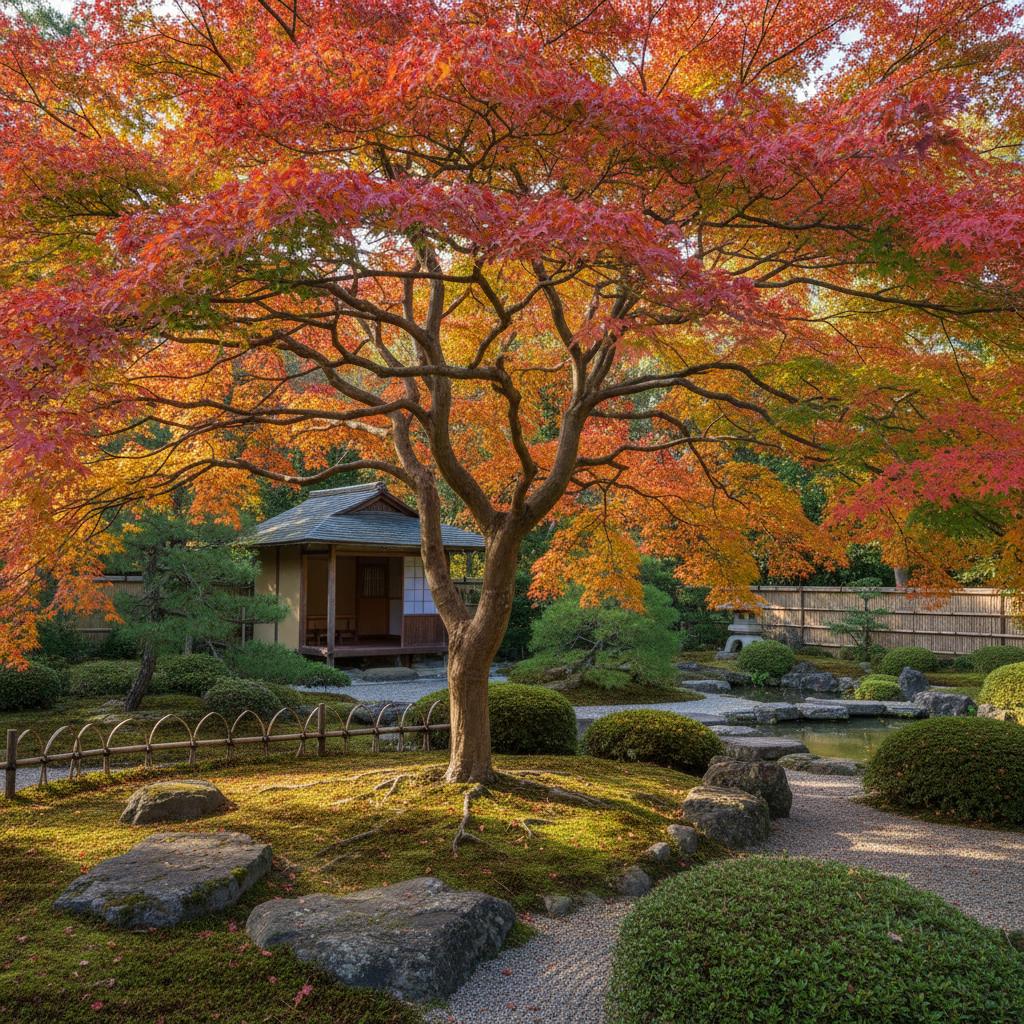
- Leaves: Opposite, trifoliate; leaflets are ovate to elliptic, 5-13 cm long, margins coarsely toothed or nearly entire, densely pubescent beneath; turns brilliant red or orange in autumn.
- Flowers: Yellowish-green, borne in nodding corymbs, usually 3-5 flowers per cluster, appearing with or just before the leaves.
- Fruit: Samaras (winged seeds), thick and woody, nutlets densely pubescent, wings spreading at an acute to right angle, 3-5 cm long.
- Bark: Smooth, grayish-brown, becoming slightly fissured and scaly with advanced age.
Care Guide
Watering
Water deeply once a week, increasing frequency during prolonged dry spells to keep the root zone moist.
Fertilization
Apply a layer of compost or a balanced, slow-release organic mulch at the base.. Requires minimal supplemental feeding if planted in nutrient-rich soil.
Composted Coffee Grounds and Leaf Mold:Mix used coffee grounds with fallen leaves to create a gentle, slightly acidic compost. Apply around the drip line to mimic natural woodland soil. Avoid applying uncomposted grounds directly against the trunk.Pruning
- Prune only during late autumn or mid-winter dormancy to prevent excessive sap bleeding.
- Remove dead, diseased, or crossing branches to maintain a healthy framework.
- Avoid heavy pruning; allow the tree to develop its natural, rounded crown.
Toxicity
Warning: this plant may be toxic.
Pets & Humans
Pets: Non-toxic to cats (per ASPCA general guidelines for Acer species).
Humans: Non-toxic to humans.
Garden Uses & Culture
Culture: Highly prized in European and North American arboretums since its introduction in the late 19th century, it is admired by landscape designers for its rare trifoliate foliage and reliable, brilliant autumn display in woodland gardens.
Usage: Used primarily as an ornamental specimen tree in residential landscapes, parks, and woodland gardens.