 PlantFun
Plant Needs
Characteristics
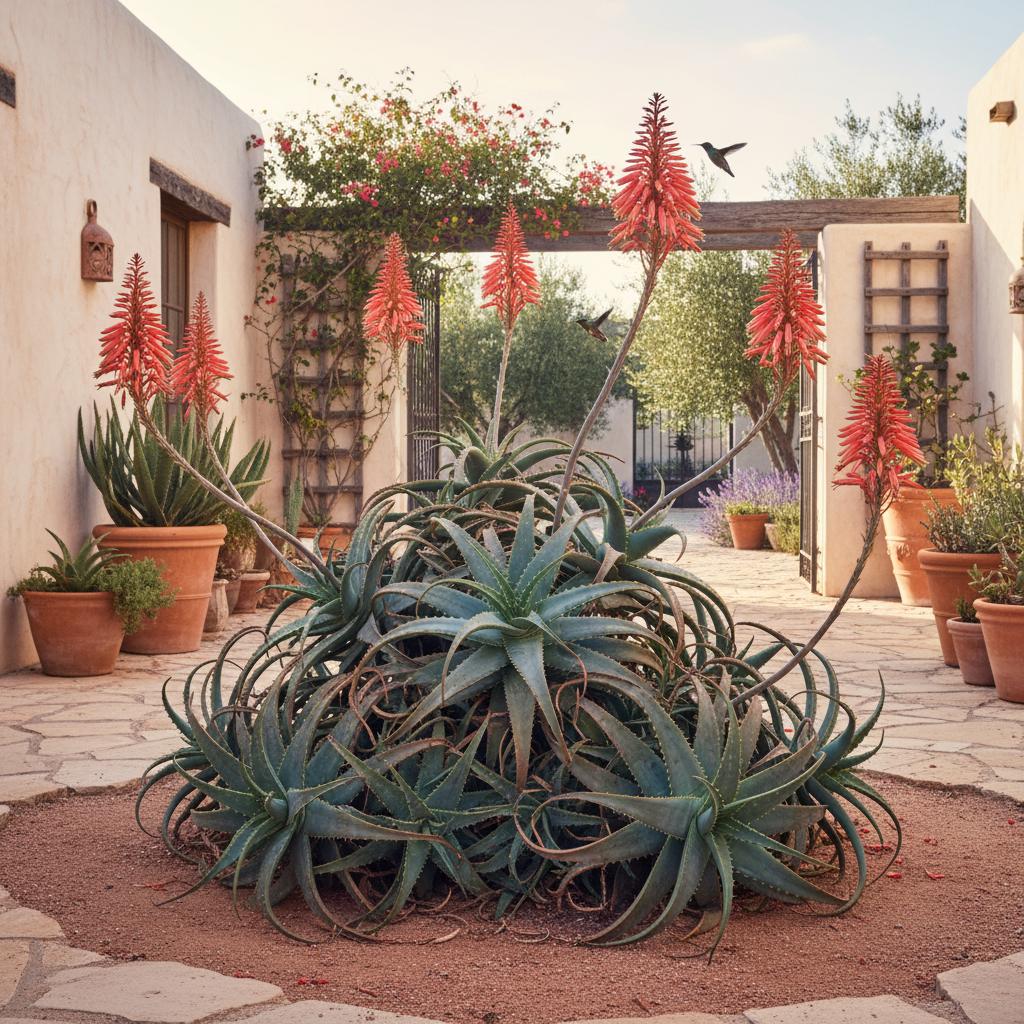
- Leaves: Rosette-forming, short, triangular, keeled, dark green to brownish with distinct white spots, bands, and finely toothed margins;
- Flowers: Tall, slender raceme inflorescence bearing tubular, pale pink to coral-red flowers;
- Stem: Acaulescent (stemless) or very short-stemmed, clustering over time to form small dense groups;
- Roots: Shallow, fibrous root system adapted to quickly absorb sparse rainfall.
Care Guide
Water thoroughly when the soil is completely dry, allowing excess water to drain away.
Apply a diluted, balanced succulent fertilizer once at the start of the growing season.. Feed sparingly during the active growing season; succulents require very little supplemental nutrition.
Banana Peel Tea:Steep chopped banana peels in water for 24 hours, strain, and dilute 1:1 with water. Use sparingly to boost root strength and flower development without promoting weak, leggy growth. Avoid leaving organic residue on the soil surface to prevent fungus gnats.- Remove spent flower stalks at the base once they have completely dried and turned brown;
- Gently pull away any dead or shriveled basal leaves to prevent rot and eliminate pest hiding spots;
- Separate offsets (pups) only when they are at least one-third the size of the mother plant to ensure they have their own roots.
Toxicity
Warning: this plant may be toxic.
Pets: Toxic to cats per ASPCA (contains saponins and anthraquinones) causing gastrointestinal upset and lethargy.
Humans: Mildly toxic if ingested; the latex beneath the skin of the leaves can cause gastrointestinal cramping and diarrhea.
Garden Uses & Culture
Culture: Aloes have been prized in European botanical collections and glasshouses since the 17th century for their architectural forms and exotic, geometric appeal.
Usage: Excellent for water-wise rock gardens, xeriscaping, and as a low-maintenance potted houseplant.