 PlantFun
Plant Needs
Characteristics
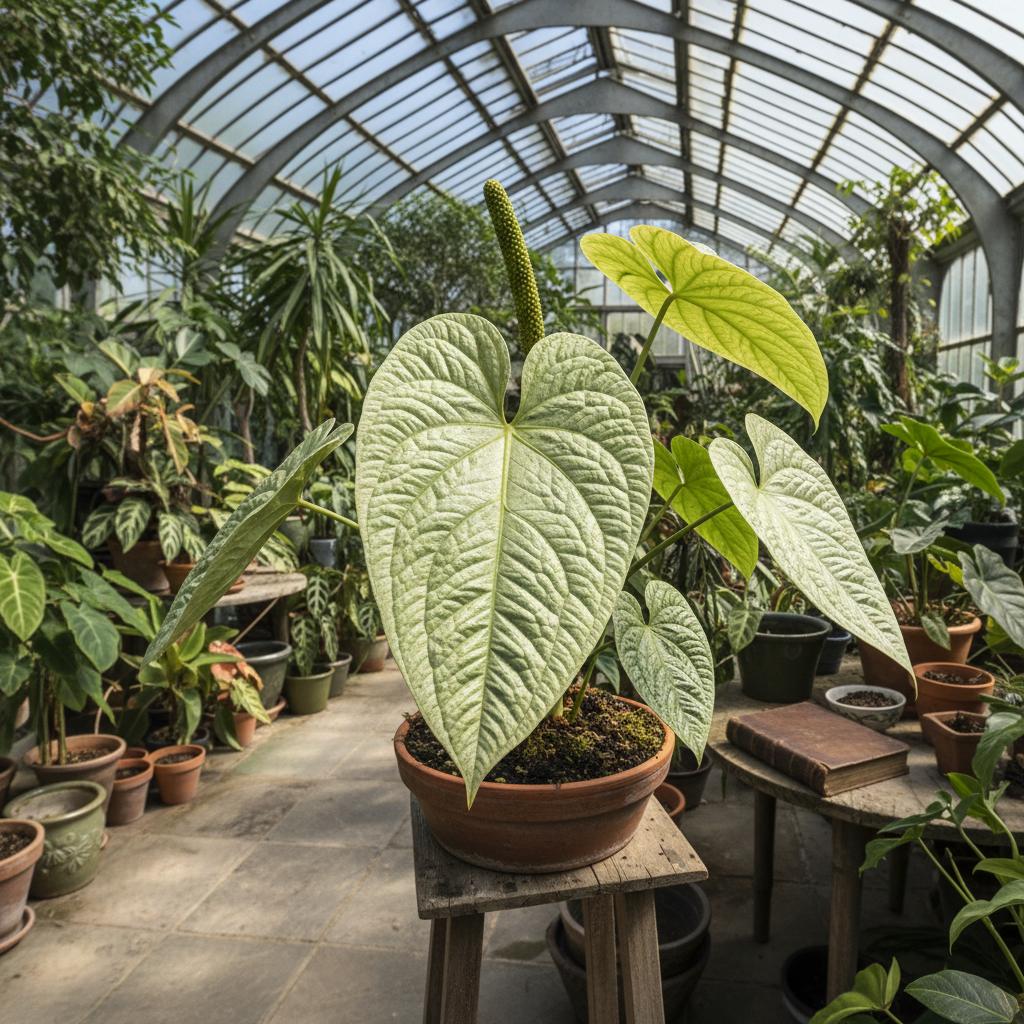
- Leaves: Coriaceous, ovate to lanceolate, with prominent venation and a glossy upper surface;
- Inflorescence: Spadix accompanied by a pale greenish-white spathe, characteristic of the species name;
- Roots: Thick, fleshy aerial roots typical of epiphytic and hemiepiphytic aroids;
- Stem: Short, stout internodes, often obscured by persistent cataphylls.
Care Guide
Water thoroughly when the top inch of soil feels dry.
Apply a balanced liquid fertilizer diluted to half strength.. Feed monthly during the active growing season; flush soil occasionally to prevent salt buildup.
Banana Peel Tea:Steep chopped banana peels in water for 24 hours, strain, and use the liquid to water the plant. Avoid leaving raw peels on the soil to prevent pests and mold.- Remove yellowing or dead leaves at the base of the stem;
- Snip off spent flowers to redirect energy to foliage growth;
- Sterilize pruning shears with rubbing alcohol before use to prevent disease transmission.
Toxicity
Warning: this plant may be toxic.
Pets: Toxic per ASPCA: oral irritation, intense burning and irritation of mouth, tongue and lips, excessive drooling, vomiting, difficulty swallowing.
Humans: Contains insoluble calcium oxalate crystals; chewing or biting causes immediate pain and irritation.
Garden Uses & Culture
Culture: Anthuriums are widely cultivated in Western greenhouses and homes as symbols of exotic tropical beauty and hospitality.
Usage: Cultivated primarily as an ornamental houseplant or greenhouse specimen for its attractive foliage and unique inflorescence.