 PlantFun
Plant Needs
Sunlight
Prefers partial shade to full shade; requires protection from harsh afternoon sun to prevent leaf scorch.
Watering
High moisture requirement; soil must be kept consistently moist but not waterlogged.
Temperature
Highly cold tolerant (USDA zones 4-8); struggles in prolonged high heat and humidity.
Characteristics
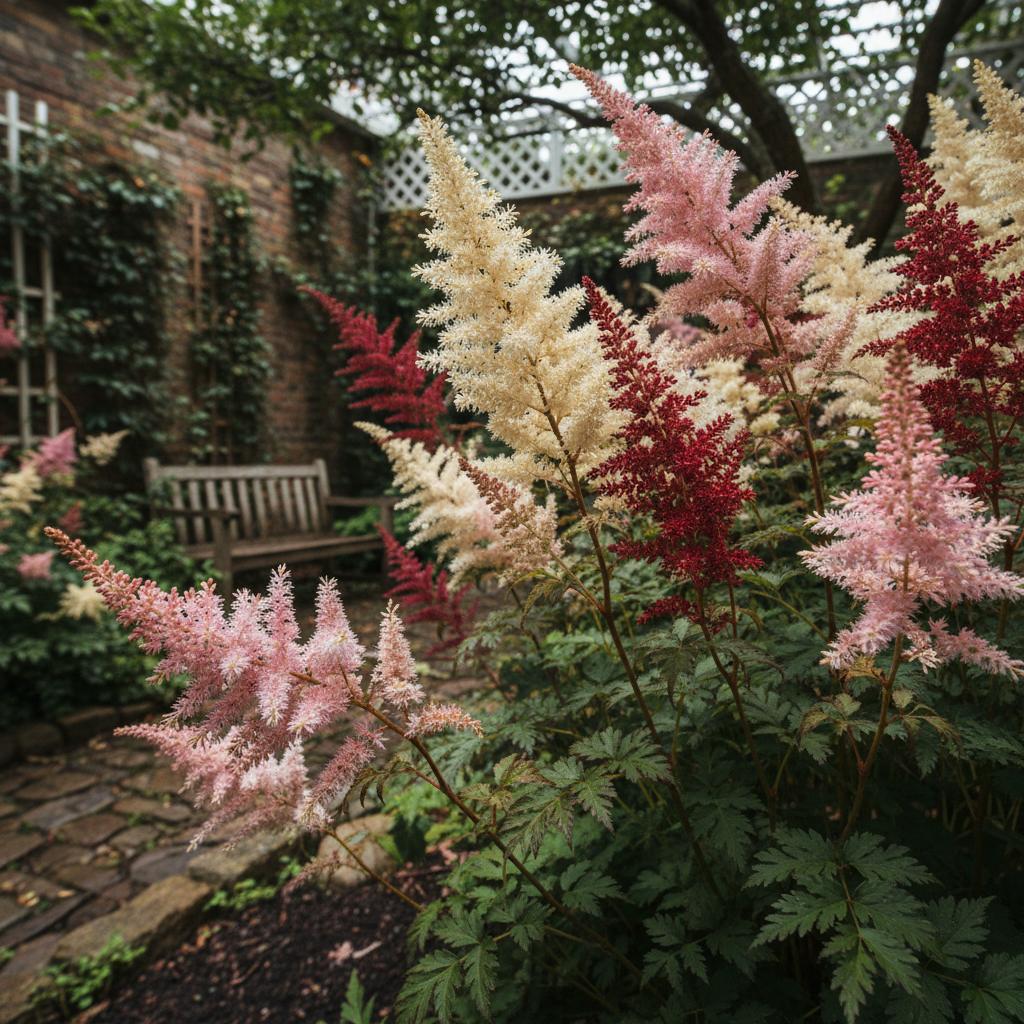
- Leaves: Compound, ternate or pinnate, with ovate to lanceolate leaflets featuring doubly serrate margins and a dark green hue;
- Flowers: Dense, erect panicles (plumes) composed of numerous tiny flowers, typically ranging from pale pink to deep magenta or purplish-red;
- Stems: Upright, sturdy, and slightly hairy, rising above the basal foliage mound;
- Roots: Vigorous, creeping rhizomatous root system that forms dense colonies over time.
Care Guide
Watering
Water deeply and frequently to ensure the soil never dries out completely, especially during hot spells.
Fertilization
Apply a balanced, slow-release organic fertilizer as new growth emerges.. Avoid fertilizing late in the season to allow the plant to prepare for dormancy.
Coffee Grounds Soil Amendment:Sprinkle used, cooled coffee grounds lightly around the base of the plant and gently scratch into the soil. This helps maintain the slightly acidic pH Astilbe prefers and improves soil structure for moisture retention. Do not pile thickly to avoid fungal growth.Pruning
- Leave dried flower plumes on the plant for winter architectural interest if desired;
- Cut foliage back to the ground in late fall after the first hard frost, or in early spring before new growth begins;
- Divide clumps every 3 to 4 years in early spring to maintain vigor and prevent overcrowding.
Toxicity
Warning: this plant may be toxic.
Pets & Humans
Pets: Non-toxic to cats per ASPCA guidelines.
Humans: Generally considered non-toxic to humans; safe to handle.
Garden Uses & Culture
Culture: In Victorian floriography, the Astilbe represents the sentiment "I will still be waiting," symbolizing patience and dedication to a loved one.
Usage: Excellent for woodland gardens, shaded borders, near ponds or streams, and as long-lasting cut or dried flowers.