 PlantFun
Plant Needs
Sunlight
Prefers partial shade to full shade; dappled morning sunlight is ideal, but avoid harsh afternoon sun which can scorch leaves.
Watering
Requires consistently moist soil; do not allow the root ball to dry out completely, especially in warmer weather.
Temperature
Highly cold-tolerant; thrives in cool, moist environments and struggles in extreme dry heat.
Characteristics
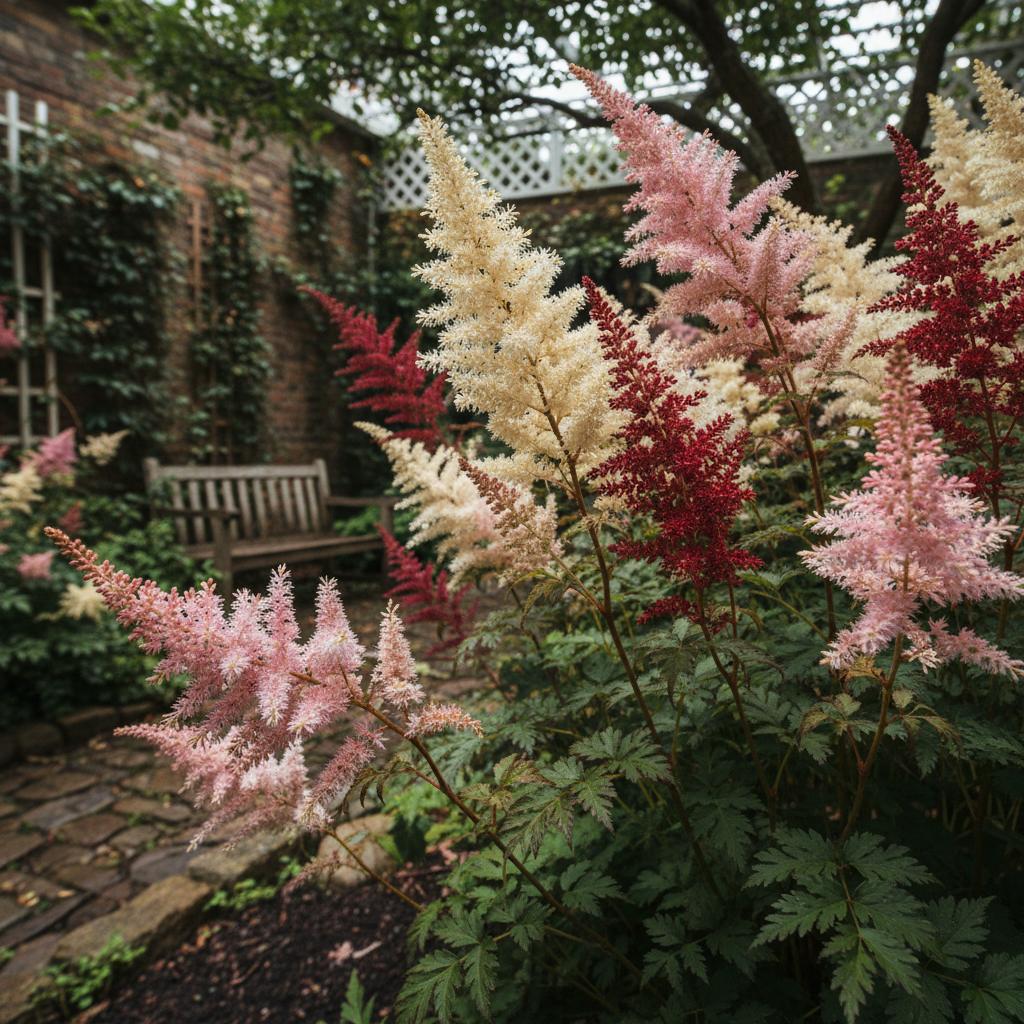
- Leaves: Basal and cauline, ternately compound, leaflets ovate to lanceolate with doubly serrate margins, dark green and often slightly hairy;
- Flowers: Dense, erect panicles (plumes) of tiny flowers, typically pink, magenta, or purplish-rose, with narrow petals;
- Stem: Erect, slender but sturdy, often reddish or purplish, rising above the foliage mound;
- Roots: Rhizomatous, forming spreading, dense clumps over time.
Care Guide
Watering
Water deeply and regularly to maintain even soil moisture, especially during bloom and hot spells.
Fertilization
Apply a balanced, slow-release organic fertilizer as new ferny growth emerges.. Avoid over-fertilizing, which can promote foliage growth at the expense of flowers.
Coffee Grounds and Banana Peel Tea:Mix used coffee grounds lightly into the topsoil to provide gentle nitrogen and maintain slight soil acidity. Steep banana peels in water for 24 hours and use the liquid to boost potassium for better blooming. Avoid applying thick layers of uncomposted grounds to prevent mold.Pruning
- Leave dried flower plumes on the plant for winter architectural interest if desired;
- Cut back all dead foliage to the ground in late winter or early spring before new growth emerges;
- Divide clumps every 3 to 4 years in early spring to maintain vigor and prevent overcrowding.
Toxicity
Warning: this plant may be toxic.
Pets & Humans
Pets: Non-toxic to cats per ASPCA guidelines.
Humans: Generally considered non-toxic to humans; safe to handle.
Garden Uses & Culture
Culture: In Victorian floriography, the Astilbe symbolizes "I will still be waiting" or dedication, reflecting its enduring, long-lasting blooms that persist even as they dry.
Usage: Excellent for shade gardens, woodland borders, edges of ponds, and as fresh or dried cut flowers.