 PlantFun
Plant Needs
Characteristics
- Leaves: Asymmetrical, deeply lobed resembling small maple leaves, green with occasional white spots and reddish veins beneath;
- Flowers: Small, white, monoecious, borne in loose clusters on slender stems;
- Stem: Features a swollen, fleshy basal caudex that stores water and develops a woody appearance, giving it a natural tree-like structure.
Care Guide
Water thoroughly when the topsoil feels dry, ensuring excess water drains away.
Apply a balanced, diluted liquid fertilizer to support new leaf growth.. Do not fertilize during the winter dormancy period.
Banana Peel Tea:Soak chopped banana peels in water for 24-48 hours, strain, and dilute 1:1 with water. Use this to water the plant during the growing season to support root health and blooming. Avoid leaving peel residue on the soil to prevent gnats.- Pinch back new growth tips regularly to encourage a dense, bushy canopy;
- Remove any yellowing or dead leaves to maintain airflow and aesthetics;
- Prune elongated stems to maintain the miniature "tree" or bonsai silhouette.
Toxicity
Warning: this plant may be toxic.
Pets: Toxic to cats per ASPCA. Ingestion causes intense burning and irritation of the mouth, tongue, and lips.
Humans: Contains soluble calcium oxalates which can cause oral irritation and burning if ingested.
Garden Uses & Culture
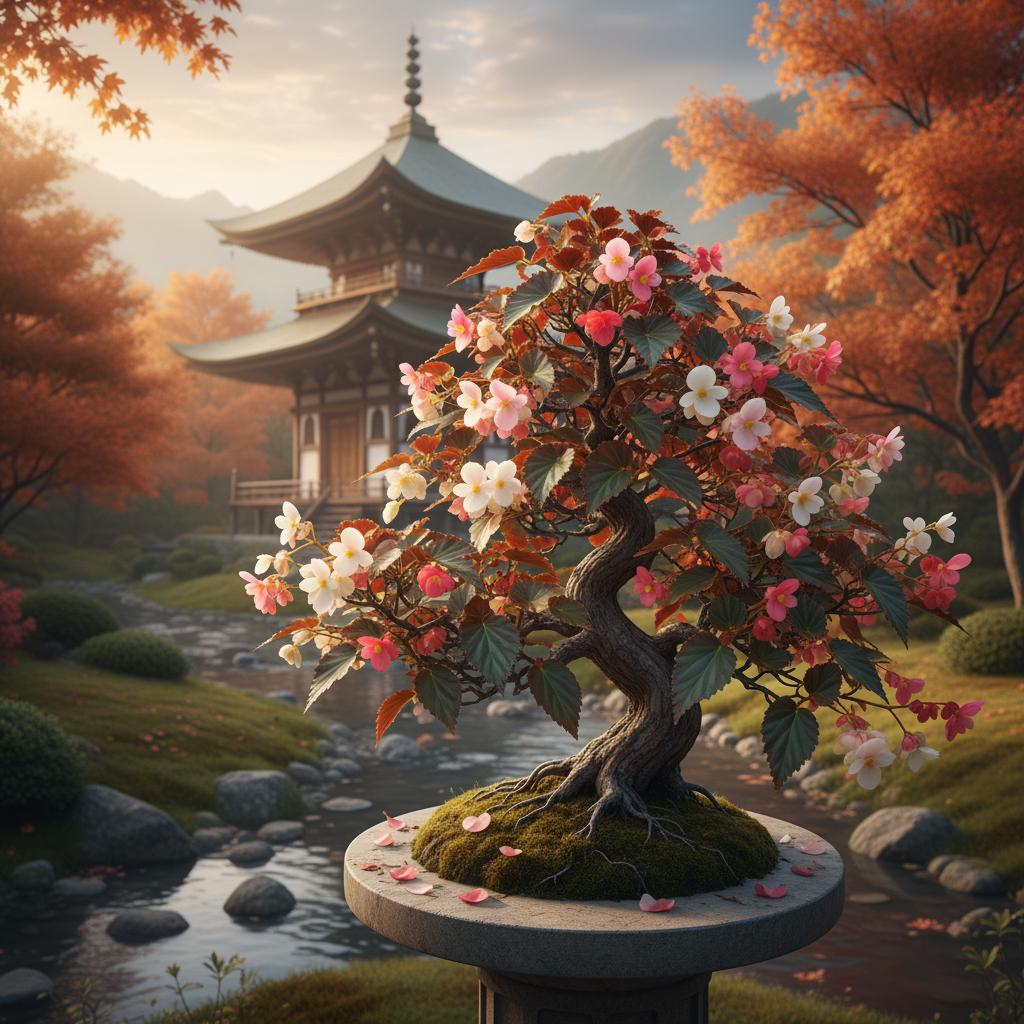
Culture: Highly prized in Western indoor horticulture and terrarium communities as a "cheater's bonsai," offering the aesthetic of an ancient tree in a fraction of the time required for traditional woody bonsai.
Usage: Cultivated primarily as an indoor ornamental plant, terrarium specimen, and a popular subject for indoor bonsai styling.