 PlantFun
Plant Needs
Characteristics
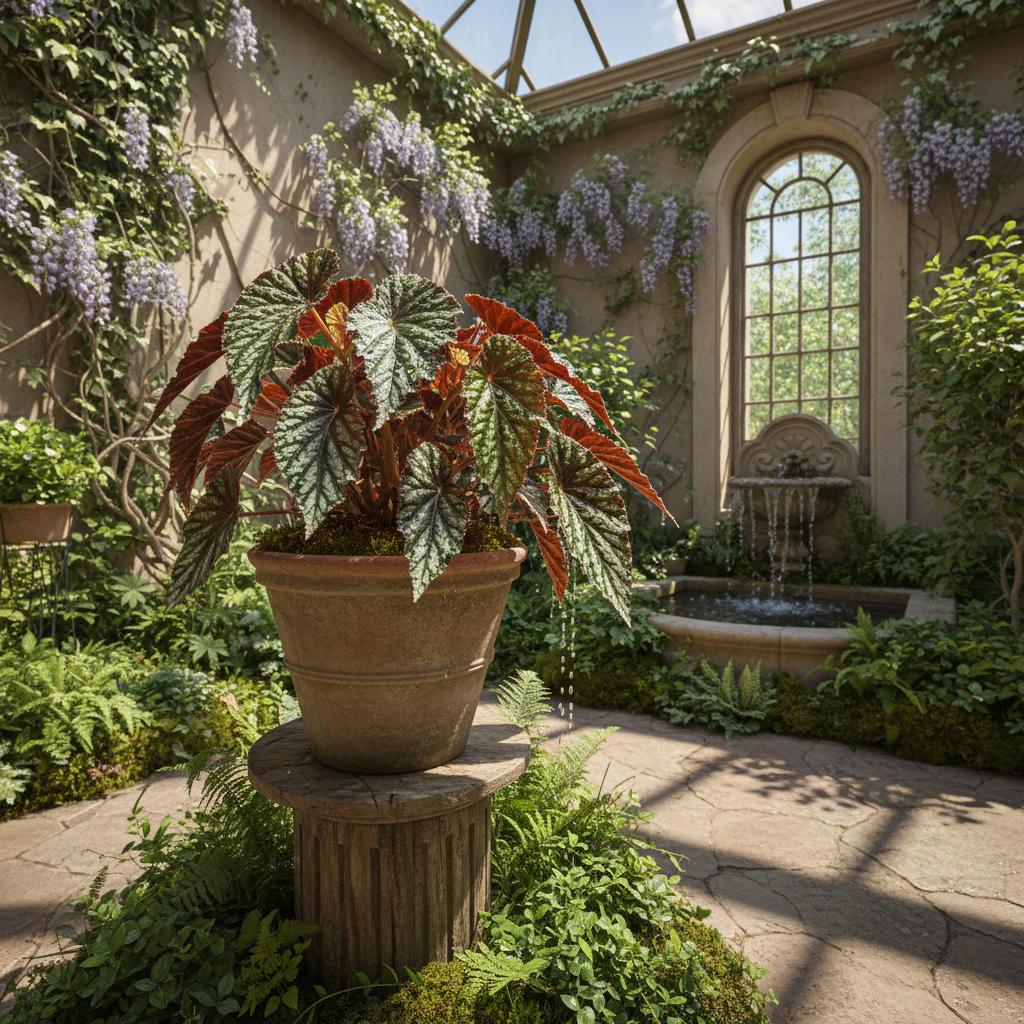
- Leaves: Asymmetrical, deeply spiraled at the base resembling a snail shell, featuring broad bands of silvery-gray and dark forest green, covered in fine reddish trichomes;
- Flowers: Small, inconspicuous, pale pink to white, blooming in loose clusters held above the foliage on thin stalks;
- Stems: Fleshy, creeping rhizomes that stay near the soil surface, densely covered with prominent hairs.
Care Guide
Water thoroughly when the top inch of soil feels dry, avoiding getting water directly on the fuzzy leaves.
Apply a diluted, balanced liquid fertilizer to support new foliage growth.. Feed only when the soil is moist to protect the shallow root system.
Banana Peel Tea:Soak chopped banana peels in water for 24-48 hours, strain, and dilute 1:1 with fresh water. Pour directly onto the soil. Discard the solid peels in the compost to avoid attracting fungus gnats indoors. This provides gentle potassium to support strong rhizome development.- Remove dead, crispy, or yellowing leaves at the base of the stem to maintain airflow and prevent fungal diseases;
- Pinch off flower stalks if you prefer the plant to direct all its energy into producing larger, more vibrant foliage;
- Keep the soil surface clear of fallen plant debris.
Toxicity
Warning: this plant may be toxic.
Pets: Toxic (per ASPCA); contains soluble calcium oxalates, especially concentrated in the tubers/rhizomes.
Humans: Mildly toxic if ingested; sap may cause minor skin irritation.
Garden Uses & Culture
Culture: During the Victorian era's obsession with exotic foliage (the "fern craze"), Rex begonias became highly prized status symbols in Western parlors and glasshouses, celebrated for their intricate, non-floral beauty.
Usage: Primarily grown as an indoor ornamental houseplant, terrarium specimen, or shaded patio container plant in warm climates.