 PlantFun
Plant Needs
Sunlight
Requires full sun for optimal growth and flowering.
Watering
Prefers dry to moderately moist, well-drained soils; highly drought-tolerant.
Temperature
Hardy in temperate climates, tolerates winter freezing.
Characteristics
- Leaves: Basal rosette of spatulate to lanceolate leaves, often rough-hairy, with entire or slightly toothed margins;
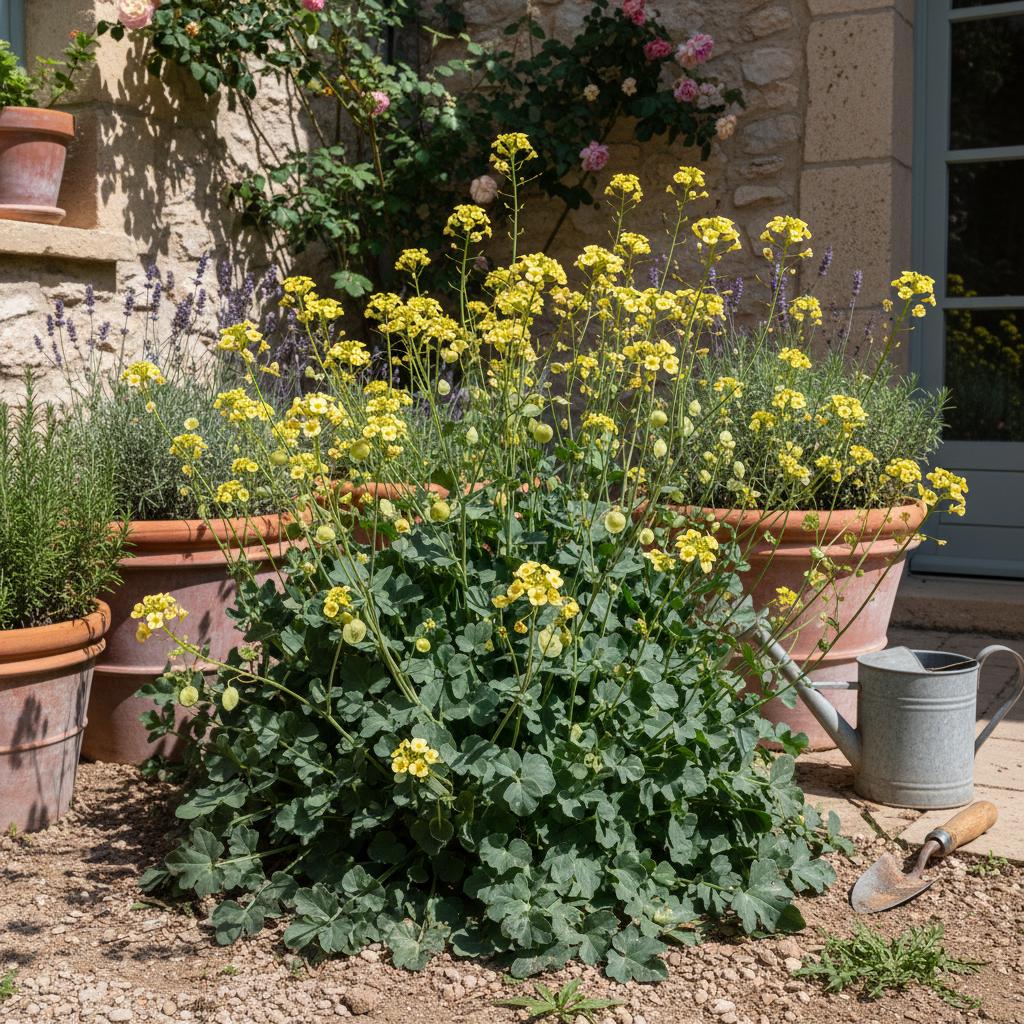
- Flowers: Small, bright yellow, four-petaled flowers arranged in a loose terminal raceme;
- Fruit: Distinctive, strongly flattened, spectacle-shaped (didymous) silicles resembling two joined shields;
- Stem: Erect, slender, usually branching in the upper part, sparsely leafy.
Care Guide
Watering
Water when the top inch of soil dries out.
Fertilization
Apply a light, balanced fertilizer once as new growth appears.. Requires very little feeding; overly rich soils can cause floppy growth.
Eggshell tea:Crush clean, dried eggshells and steep in water for a few days; use the water to provide a calcium boost, which suits this calcicole (calcium-loving) plant. Avoid using unwashed shells to prevent odors.Pruning
- Remove spent flower stalks to maintain a tidy appearance and prevent unwanted self-seeding;
- Clear away dead basal leaves in late winter or early spring to improve air circulation.
Toxicity
Warning: this plant may be toxic.
Pets & Humans
Pets: Non-toxic per general Brassicaceae family traits (no specific ASPCA listing).
Humans: Generally considered non-toxic; no known severe toxicity.
Garden Uses & Culture
Culture: Often associated with the rugged beauty of European limestone landscapes and alpine rockeries.
Usage: - Excellent for rock gardens, alpine houses, and scree beds; - Attracts early-season pollinators like small bees and hoverflies.