 PlantFun
Plant Needs
Characteristics
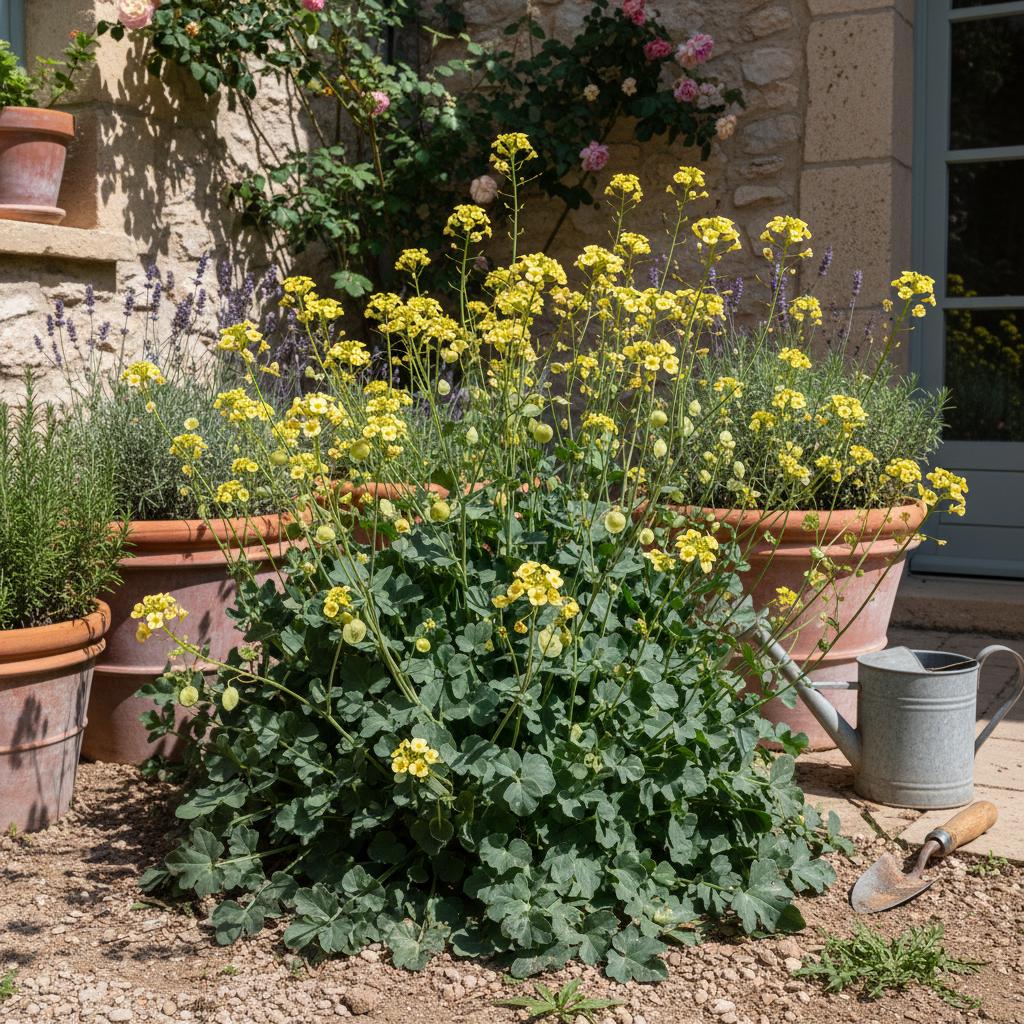
- Leaves: Basal rosette of rough, hairy, deeply lobed or toothed leaves; stem leaves are sparse, smaller, and often sessile.
- Flowers: Terminal racemes of small, bright yellow, four-petaled flowers arranged in a cross shape, typical of the mustard family.
- Fruit: Highly distinctive, strongly flattened, bilobed silicles resembling miniature spectacles or twin shields.
- Stems: Erect, slender, often branching near the top, and covered in fine hairs.
Care Guide
Water moderately during active growth and blooming, allowing the soil to dry out completely between waterings.
Apply a very light top-dressing of compost if the soil is extremely poor.. Thrives in nutrient-poor soils; excessive fertilization will cause weak, floppy growth.
Crushed Eggshell Powder:Wash, dry, and finely crush eggshells. Sprinkle around the base of the plant to provide a slow-release calcium boost, which mimics its native calcareous (chalky) habitat. Avoid using wet, unwashed shells to prevent odors and pests.- Deadheading: Remove spent flower stalks to maintain a tidy appearance, unless you wish to keep the decorative seed pods.
- Cleanup: Cut back dead or damaged basal foliage in late autumn or early spring before new growth begins.
Toxicity
Warning: this plant may be toxic.
Pets: Non-toxic to cats per general Brassicaceae family characteristics.
Humans: Generally considered non-toxic to humans; no known hazards reported for this species.
Garden Uses & Culture
Culture: The genus name 'Biscutella' derives from the Latin words 'bi' (two) and 'scutella' (small shield), a nod to its unique, spectacle-shaped seed pods that fascinated early European botanists.
Usage: - **Ornamental**: Excellent choice for rock gardens, alpine houses, and dry stone wall crevices. - **Ecological**: Attracts early-season pollinators, including small bees and hoverflies.