 PlantFun
Plant Needs
Sunlight
Requires full sun to partial shade, thriving in bright alpine conditions.
Watering
Low to moderate water needs; requires excellent drainage and is drought-tolerant once established.
Temperature
Highly cold-hardy, prefers cool temperate climates and struggles in high heat and humidity.
Characteristics
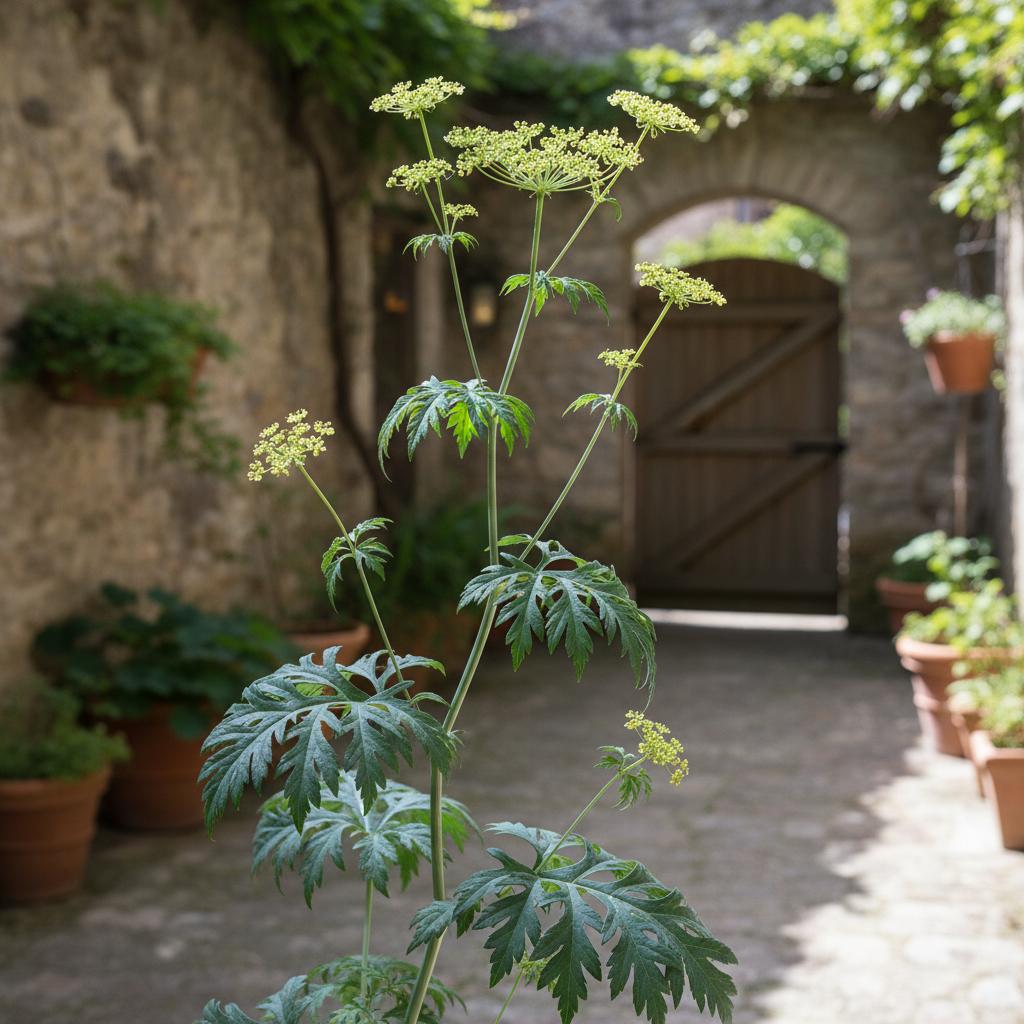
- Leaves: Simple, entire, grass-like to lanceolate, glaucous blue-green, lacking the typical divided structure of most Apiaceae;
- Flowers: Small yellow flowers arranged in compound umbels, surrounded by prominent, yellowish-green, petal-like bracts (involucels) that resemble buttercups;
- Stem: Slender, erect, often unbranched or sparsely branched, glabrous;
- Roots: Deep taproot adapted to rocky crevices.
Care Guide
Watering
Water moderately, allowing the soil to dry out completely between waterings.
Fertilization
Apply a very light top-dressing of compost or mild organic fertilizer.. Avoid high-nitrogen fertilizers which can cause floppy, weak growth.
Eggshell tea:Crush clean, dry eggshells and steep them in water for a few days. Use the strained liquid to water the plant, which mimics the alkaline, calcium-rich limestone soils of its native alpine habitat. Avoid using raw, unrinsed shells to prevent odors.Pruning
- Remove spent flower stalks after blooming to maintain a tidy appearance;
- Leave the basal foliage intact to overwinter and protect the crown;
- Clear away dead leaves in early spring before new growth emerges.
Toxicity
Warning: this plant may be toxic.
Pets & Humans
Pets: Non-toxic to cats; no specific ASPCA warnings for this species.
Humans: No known toxicity, though ingestion of wild ornamental plants is generally discouraged.
Garden Uses & Culture
Culture: Highly valued in European alpine and rock gardening for its architectural form and unusual, chartreuse, buttercup-like bracts that contrast with typical mountain flora.
Usage: - Ornamental rock garden plant; - Alpine trough or scree garden specimen; - Dried floral arrangements (due to the persistent, papery bracts).