 PlantFun
Plant Needs
Sunlight
Prefers bright, indirect light; avoid direct sun which can scorch leaves.
Watering
Keep soil consistently moist but not waterlogged; requires high humidity.
Temperature
Thrives in warm environments; sensitive to cold drafts.
Characteristics
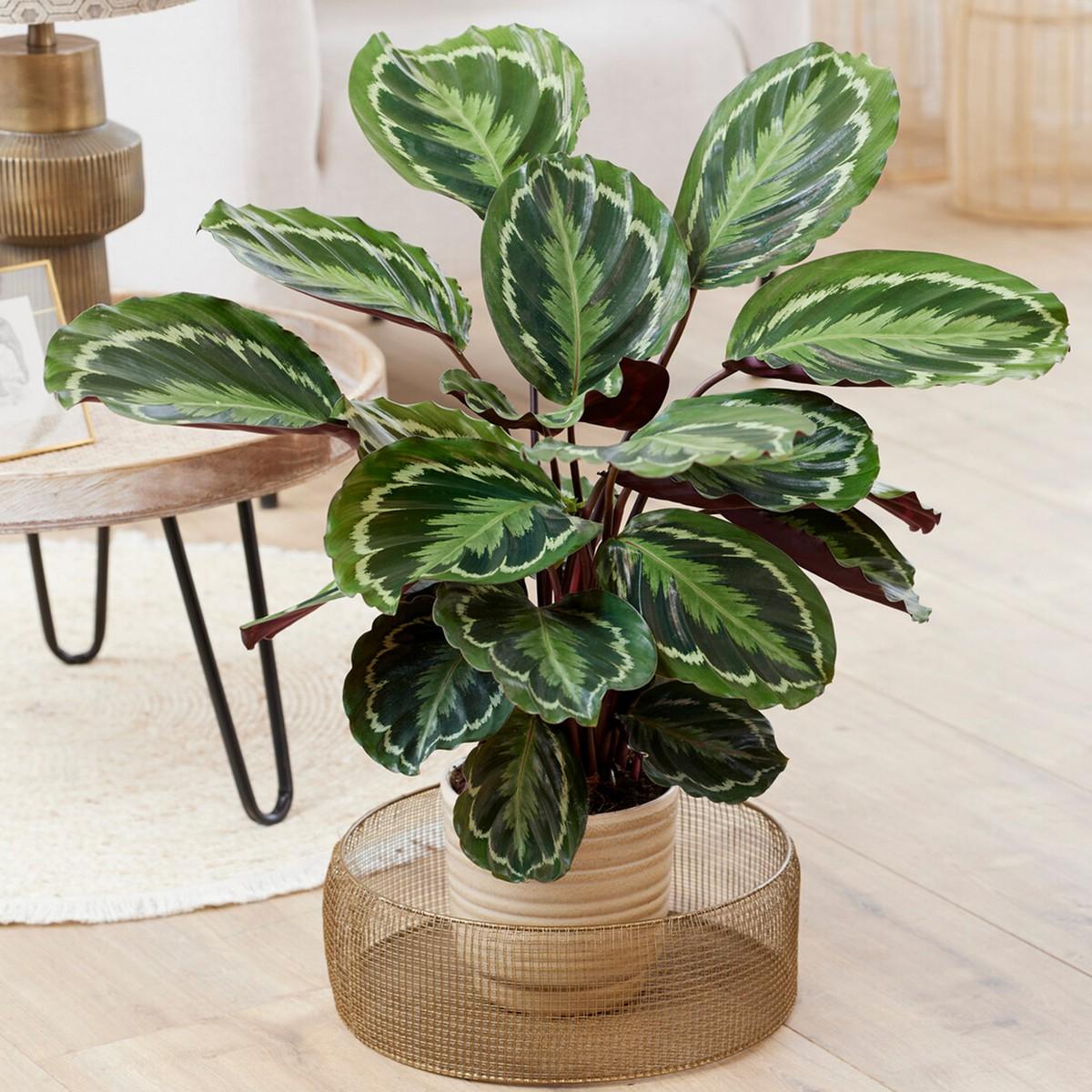
- Leaves: Large, ovate to elliptic, velvety light green with dark green stripes resembling zebra stripes, purple underneath;
- Flowers: Inconspicuous white or purple flowers borne on short spikes, rarely seen in indoor cultivation;
- Stems: Clump-forming with short, unbranched stems emerging from underground rhizomes.
Care Guide
Watering
Keep soil consistently moist, watering when the top inch is dry.
Fertilization
Apply a balanced, water-soluble fertilizer diluted to half strength.. Avoid over-fertilizing to prevent root burn.
Banana Peel Tea:Soak chopped banana peels in water for 24 hours, dilute 1:1 with fresh water, and use to water the plant. Avoid leaving solid peels on the soil to prevent pests.Pruning
- Remove yellow or brown leaves at the base to encourage new growth;
- Trim crispy edges with sterilized scissors if humidity was too low;
- Divide overcrowded clumps during spring repotting.
Toxicity
Warning: this plant may be toxic.
Pets & Humans
Pets: Non-toxic per ASPCA.
Humans: Non-toxic to humans, safe for households.
Garden Uses & Culture
Culture: Popularized in Victorian conservatories for its dramatic foliage, it remains a staple in modern Western interior design for adding a tropical flair.
Usage: Primarily used as an indoor ornamental foliage plant.