 PlantFun
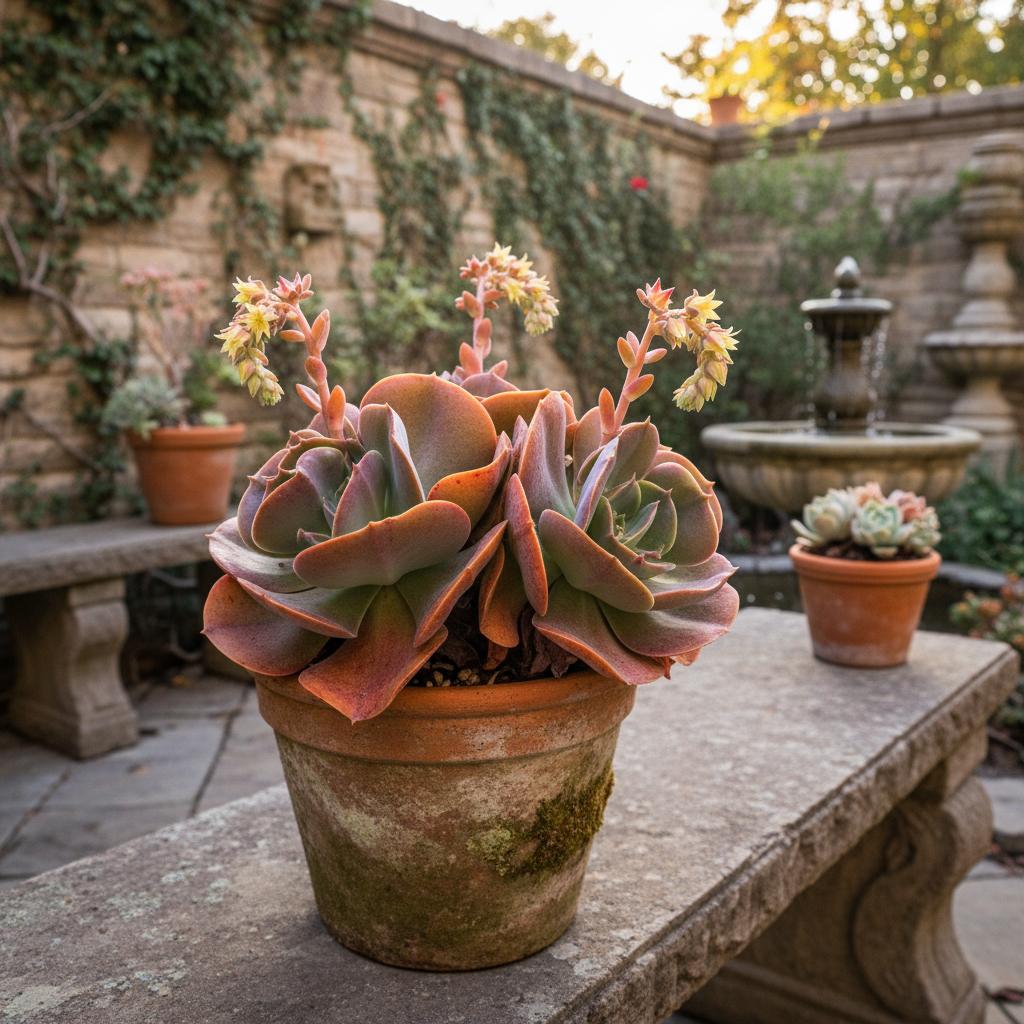
Plant Needs
Sunlight
Requires full sun for best blooming and compact growth.
Watering
Keep soil consistently moist but not waterlogged, especially during bud formation.
Temperature
Hardy in USDA zones 5-9; prefers cool autumn temperatures for prolonged blooming.
Characteristics
- Leaves: Lobed, aromatic, dark green leaves, slightly pubescent with a distinct herbaceous scent when crushed.
- Flowers: Composite flower heads, densely packed with ray florets, forming a tight, rounded mound typical of garden mum cultivars.
- Stems: Upright, branching, becoming somewhat woody at the base as the season progresses.
Care Guide
Watering
Water deeply when the top inch of soil feels dry; increase frequency during hot, dry spells.
Fertilization
Apply a balanced slow-release fertilizer as new growth emerges.. Stop fertilizing once flower buds begin to show color.
Banana Peel Tea:Soak chopped banana peels in water for 48 hours. Dilute 1:1 with water and apply to the soil to support robust fall blooming. Discard peels in compost to avoid attracting pests.Pruning
- Pinch back stem tips every 2-3 weeks from spring until mid-July to encourage bushiness and more flower buds.
- Deadhead spent flowers to maintain a tidy appearance, though it may not significantly prolong the late-season bloom.
- Cut stems back to 2-3 inches above the ground after they are killed by a hard frost in late autumn or winter.
Toxicity
Warning: this plant may be toxic.
Pets & Humans
Pets: Toxic (per ASPCA). Ingestion may cause vomiting, diarrhea, hypersalivation, and loss of coordination.
Humans: May cause contact dermatitis; ingestion can cause mild gastrointestinal upset.
Garden Uses & Culture
Culture: In Western culture, garden mums are the quintessential autumn flower, frequently used in porch displays alongside pumpkins, gourds, and hay bales to celebrate the harvest season and Halloween.
Usage: Widely used as ornamental container plants, border perennials, and seasonal landscape bedding.