 PlantFun
Plant Needs
Characteristics
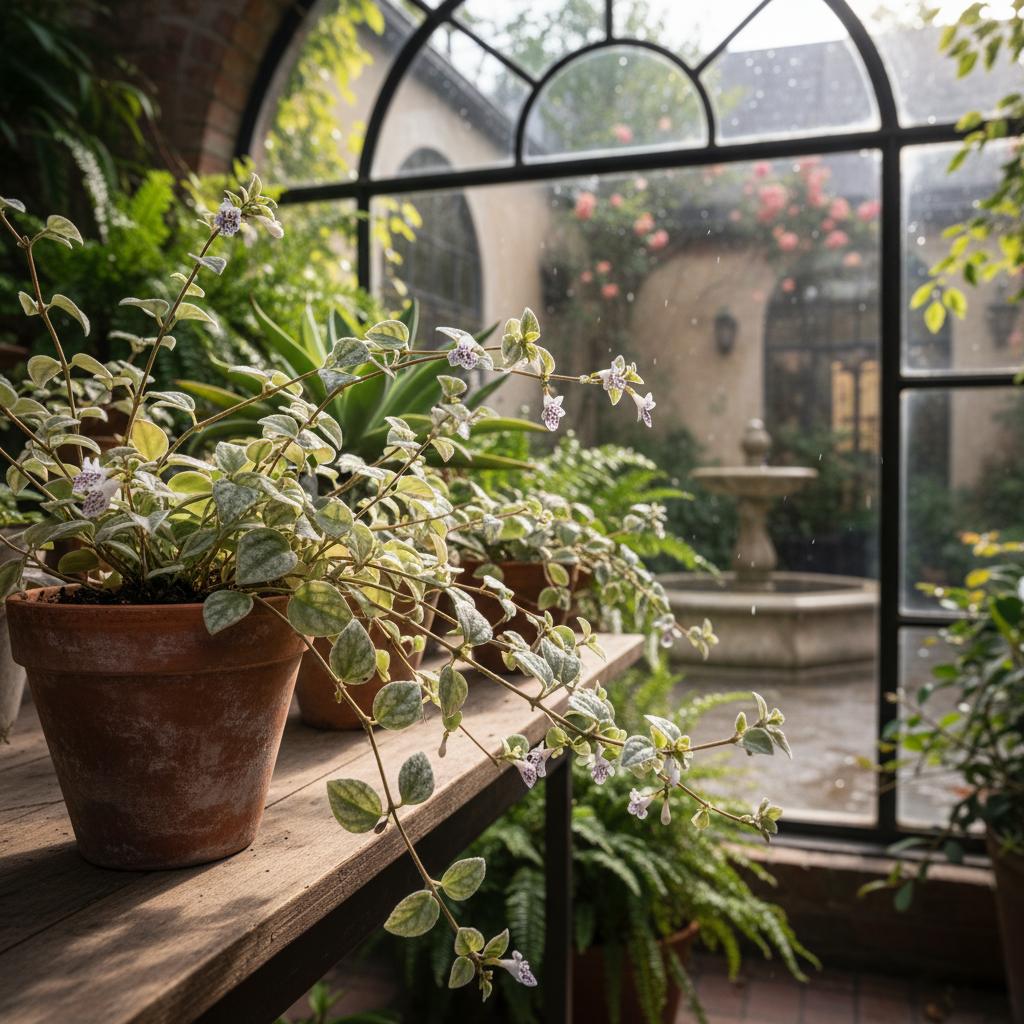
- Leaves: Small, fleshy, glossy dark green, ovate to lanceolate, arranged oppositely along the stems;
- Flowers: Tubular, bell-shaped, waxy white flowers often with yellow or reddish-purple speckling in the throat, blooming from leaf axils;
- Stems: Slender, cascading or trailing, often producing adventitious roots at the nodes;
- Fruit: Small, fleshy orange or red berries that develop after successful pollination.
Care Guide
Water thoroughly when the top inch of soil feels dry, keeping the medium consistently but lightly moist.
Apply a diluted, balanced liquid fertilizer to support new foliage and bud development.. Use fertilizer at half the recommended strength to avoid burning the delicate epiphytic roots.
Banana Peel Tea:Soak chopped banana peels in a jar of water for 24-48 hours. Strain the liquid and dilute 1:1 with fresh water to water the plant, which helps promote blooming. Discard the solid peels in an outdoor compost bin to prevent indoor odors and fungus gnats.- Pinch back: Pinch the growing tips of the stems to encourage branching and a bushier, fuller plant;
- Maintenance: Remove any yellowing or dead leaves to maintain appearance and prevent fungal issues;
- Propagation: Save healthy stem cuttings from pruning, as they root easily in water or moist sphagnum moss.
Toxicity
Warning: this plant may be toxic.
Pets: Non-toxic to cats (per ASPCA guidelines for the Gesneriaceae family).
Humans: Non-toxic to humans; safe to handle.
Garden Uses & Culture
Culture: In Western indoor gardening, it is highly valued as an elegant, less-common alternative to traditional trailing plants like pothos, prized for its delicate foliage and willingness to bloom indoors.
Usage: - **Ornamental**: Perfect for hanging baskets, high shelves, or terrariums where its cascading stems can be fully appreciated; - **Companion Planting**: Often grown alongside other Gesneriads like African violets and Streptocarpus due to similar care requirements.