 PlantFun
Plant Needs
Characteristics
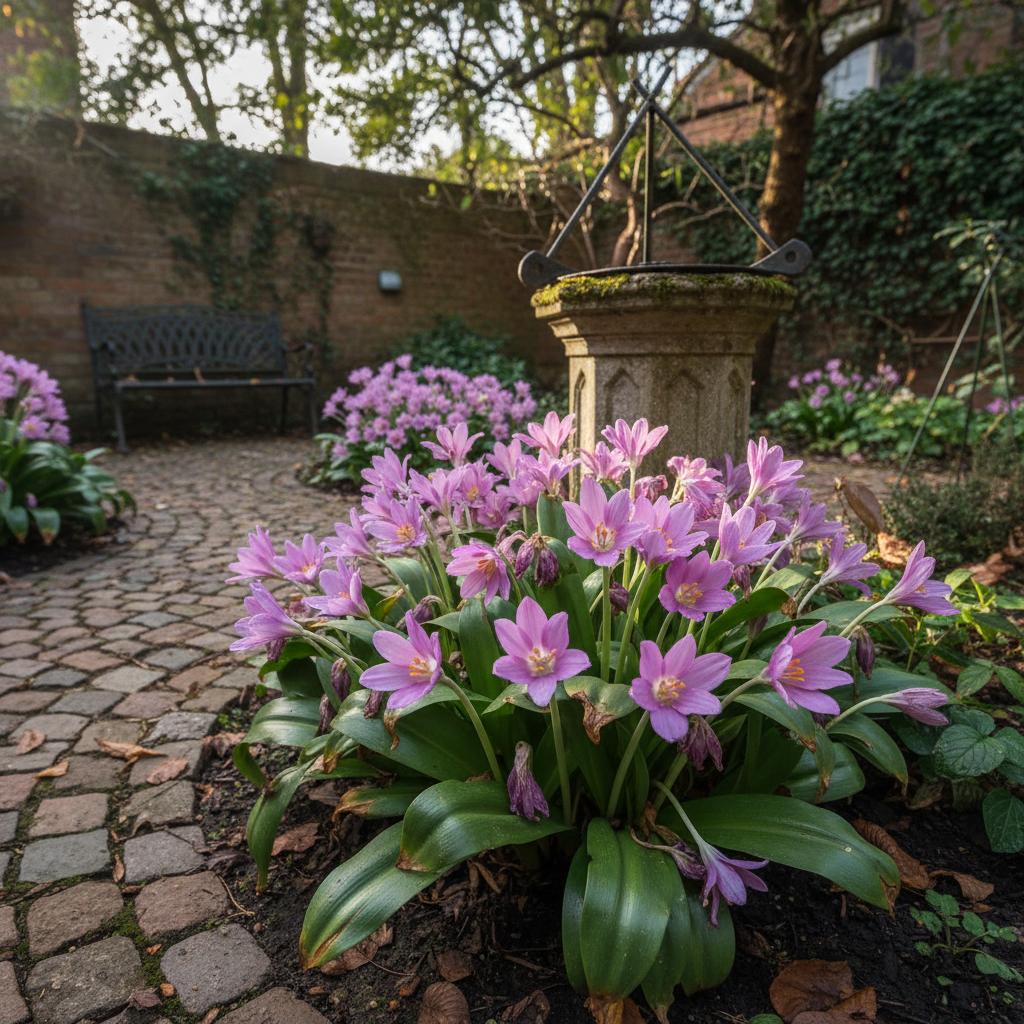
- Leaves: Basal, lanceolate to strap-shaped, dark green, up to 25 cm long; they emerge in spring and die back completely by summer before the flowers appear;
- Flowers: Goblet-shaped, pale purple to pinkish-lilac, featuring 6 tepals and 6 stamens (distinguishing it from true crocuses which have 3 stamens), emerging directly from the ground in autumn;
- Underground: Fleshy corms, 3-5 cm in diameter, covered with a dark brown, leathery tunic;
- Fruit: A three-valved capsule that matures in spring alongside the foliage, containing numerous small, dark seeds.
Care Guide
Water moderately in spring while leaves are green; cease watering entirely in summer when dormant.
Apply a light top dressing of organic compost or mild DIY fertilizer when leaves emerge.. Requires minimal feeding; over-fertilization can encourage rot.
Banana Peel Tea:Steep chopped banana peels in water for 24-48 hours. Dilute 1:1 with water and apply to the soil around the emerging spring foliage to support corm development. Discard peels in compost to avoid attracting pests.- Foliage: Never cut back the green spring leaves; allow them to yellow and die back naturally by early summer to ensure the corm stores enough energy for autumn blooms;
- Flowers: Spent autumn flowers can be left to decompose naturally or gently removed for aesthetic purposes;
- Handling: Always wear gloves when handling corms, leaves, or flowers due to the high toxicity of the plant sap.
Toxicity
Warning: this plant may be toxic.
Pets: Highly toxic per ASPCA; ingestion of any part, especially the corm, can cause severe systemic poisoning and death.
Humans: Highly toxic; contains colchicine which inhibits cell division. Ingestion can be fatal and causes severe multi-organ failure.
Garden Uses & Culture
Culture: In Western classical antiquity, the plant's name derives from Colchis, a region on the Black Sea coast associated in Greek mythology with the sorceress Medea, famous for her knowledge of deadly poisons.
Usage: Cultivated as an ornamental garden plant for late-season color. Commercially grown for the extraction of colchicine, a medication used to treat gout and familial Mediterranean fever, and used in agriculture to induce polyploidy in plant breeding.