 PlantFun
Plant Needs
Sunlight
Prefers partial sun to full sun, thriving in bright but cool conditions.
Watering
Requires consistently moist but well-drained soil; intolerant of prolonged drought or waterlogging.
Temperature
Cold hardy alpine plant; struggles in high heat and high humidity.
Characteristics
- Leaves: Small, opposite, linear to narrow-elliptic, leathery, with characteristic interpetiolar stipules;
- Flowers: Solitary, inconspicuous, greenish-yellow, unisexual (dioecious), lacking prominent petals;
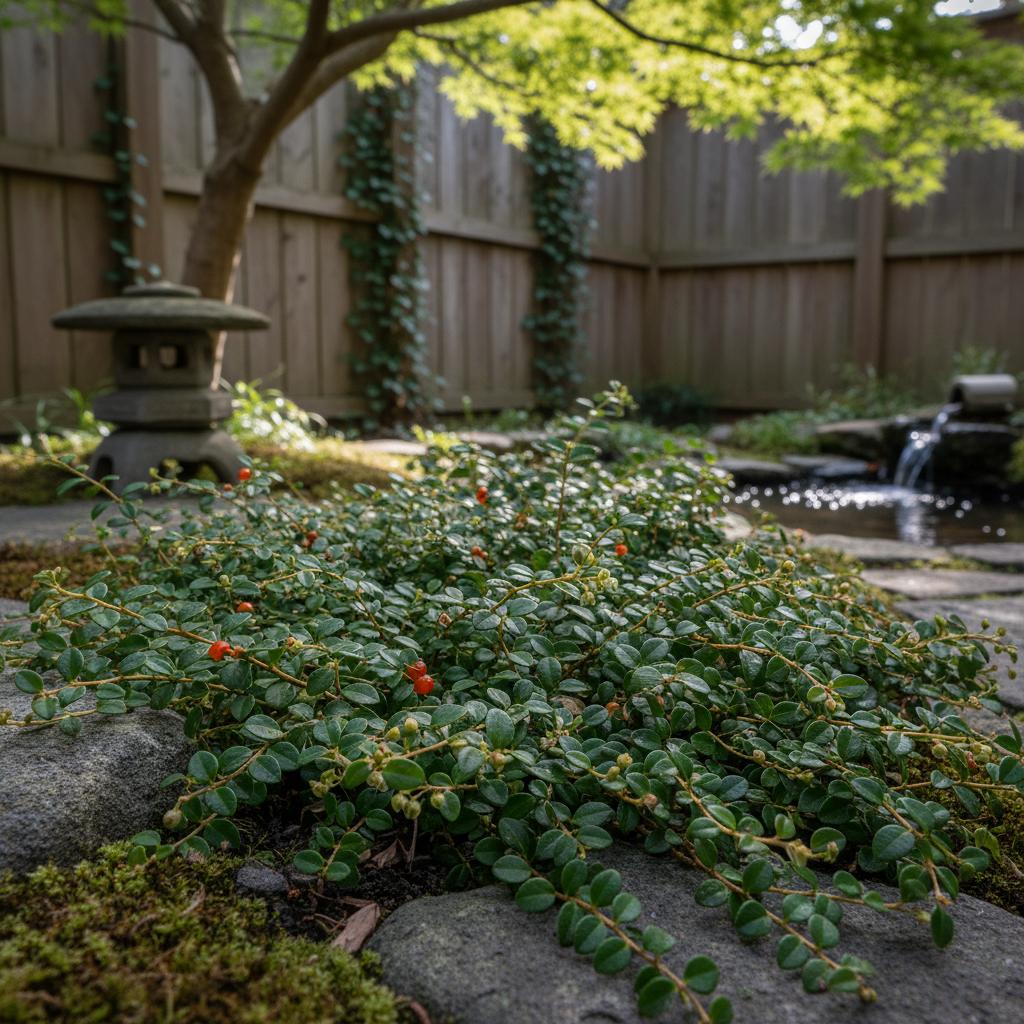
- Stems: Creeping, rooting at the nodes, forming dense, low-growing mats;
- Fruit: Small, fleshy, globose drupe, typically orange-red when mature.
Care Guide
Watering
Water regularly to keep the root zone lightly moist, simulating alpine snowmelt.
Fertilization
Apply a very light, diluted organic feed as active growth begins.. Avoid heavy nitrogen fertilizers which cause leggy, weak growth.
Eggshell Tea:Crush clean, dried eggshells and steep them in water for 3-4 days. Strain and use the liquid to water the plant. This provides gentle calcium without overloading the lean soil with excess nitrogen. Ensure shells are fully rinsed of raw egg residue to prevent odors.Pruning
- Trim away any dead or browning stems in early spring to encourage healthy new growth;
- Gently thin out overcrowded sections if the mat becomes too dense and risks fungal issues;
- Restrict spread by clipping the creeping edges if it outgrows its designated rockery space.
Toxicity
Warning: this plant may be toxic.
Pets & Humans
Pets: Non-toxic to cats; no known toxic principles.
Humans: Generally considered non-toxic; fruits of many Coprosma species are edible but insipid.
Garden Uses & Culture
Culture: In European and North American horticulture, it is prized by alpine and rock garden enthusiasts for its ability to form tight, structural mats in trough gardens and scree beds.
Usage: Excellent as a small-scale groundcover in rockeries, alpine troughs, and specialized cool-climate landscaping.