 PlantFun
Plant Needs
Characteristics
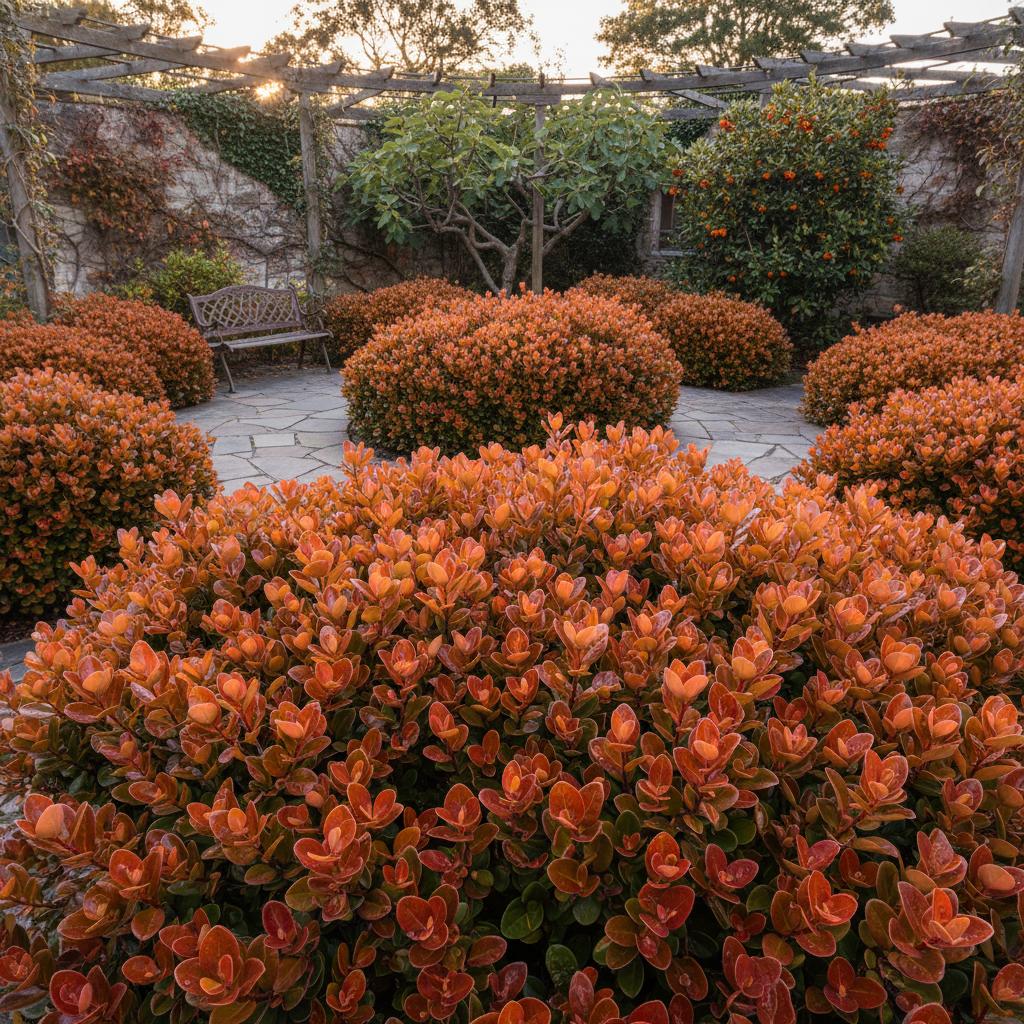
- Leaves: Opposite, simple, highly glossy and waxy, ovate to broadly elliptic, often variegated with vibrant green, yellow, orange, red, or purple hues;
- Flowers: Small, inconspicuous, greenish-white, tubular, dioecious (separate male and female plants);
- Stems: Woody, branching, with characteristic stipules located between the petioles;
- Fruit: Fleshy, berry-like drupes, usually orange or red, appearing on female plants after successful pollination.
Care Guide
Water moderately, allowing the top few inches of soil to dry out between waterings.
Apply a balanced, slow-release fertilizer at the beginning of the growing season.. Avoid heavy nitrogen fertilization, which can diminish the vibrant foliage colors.
Banana Peel Tea:Soak chopped banana peels in water for 24-48 hours, strain, and use the liquid to water the plant. This provides gentle potassium to support root strength and overall resilience without causing excessive, weak foliage growth. Discard peels in compost to avoid attracting pests.- Prune in late winter or early spring before new growth begins to maintain a compact shape;
- Pinch back the growing tips of young plants to encourage branching and denser foliage;
- Remove any dead, damaged, or crossing branches to improve air circulation;
- Can be sheared regularly if grown as a formal hedge.
Toxicity
Warning: this plant may be toxic.
Pets: Non-toxic to cats per ASPCA guidelines.
Humans: Generally considered non-toxic to humans, though ingestion of large amounts of plant material is not recommended.
Garden Uses & Culture
Culture: Highly valued in Western coastal landscaping, particularly in California and parts of Europe, for its exceptional tolerance to salt spray and strong winds, making it a staple in seaside gardens.
Usage: - Excellent for coastal hedges and windbreaks; - Striking container plant for patios and balconies; - Accent shrub in mixed borders due to its year-round color; - Useful in xeriscaping once fully established.