 PlantFun
Plant Needs
Sunlight
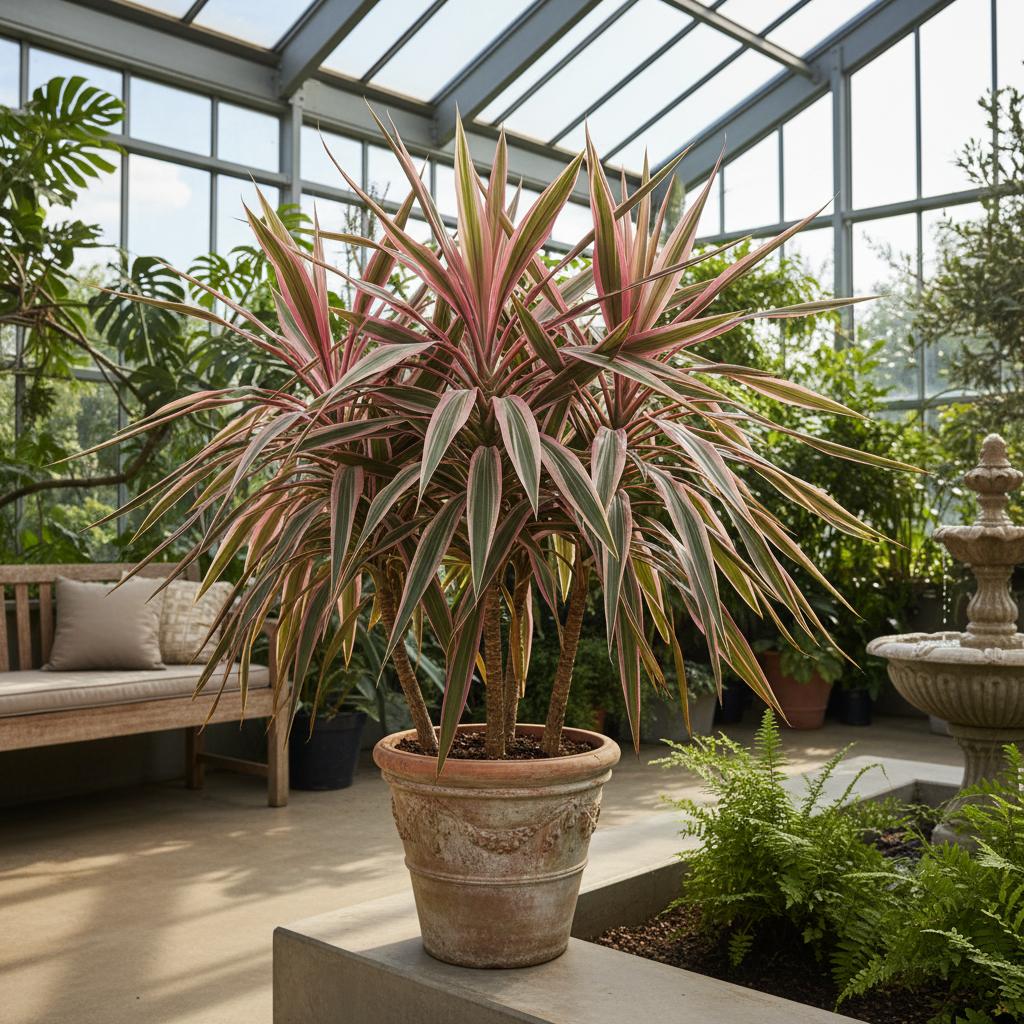
Bright, indirect light is essential to maintain the vibrant pink coloration; avoid harsh direct afternoon sun which can scorch leaves.
Watering
Water when the top 1-2 inches of soil feel dry. Maintain consistent moisture but avoid waterlogging.
Temperature
Prefers warm tropical temperatures and high humidity; protect from drafts and temperatures below 13°C.
Characteristics
- Leaves: Lanceolate to elliptic, spirally arranged, featuring striking pink, magenta, or burgundy variegation on dark green or bronze backgrounds;
- Flowers: Panicles of small, star-shaped, pale pink to white flowers, though rarely seen in indoor cultivation;
- Stem: Slender, erect, cane-like stems that become woody with age, often showing prominent leaf scars.
Care Guide
Watering
Water thoroughly when the top inch of soil is dry, keeping it evenly moist.
Fertilization
Apply a balanced liquid fertilizer monthly.. Dilute fertilizer to half strength to prevent root burn.
Banana Peel Tea:Steep chopped banana peels in water for 24-48 hours. Strain and use the liquid to water the plant. Avoid leaving solid peels on the soil to prevent fungus gnats.Pruning
- Remove lower yellowing or dead leaves to maintain a tidy appearance;
- Cut back tall, leggy canes in spring to encourage branching and a bushier habit;
- Wipe leaves regularly with a damp cloth to remove dust and deter pests.
Toxicity
Warning: this plant may be toxic.
Pets & Humans
Pets: Toxic per ASPCA. Contains steroidal saponins causing vomiting, hypersalivation, and depression.
Humans: Generally safe, though ingestion of large amounts of leaves may cause mild stomach upset.
Garden Uses & Culture
Culture: In Victorian England, exotic foliage plants like Cordyline were highly prized in heated conservatories as symbols of wealth and botanical curiosity.
Usage: Widely used as a striking ornamental houseplant, patio container plant, or tropical landscape specimen for its bold architectural foliage.