 PlantFun
Plant Needs
Sunlight
Thrives in partial shade to full sun; highly adaptable to various light conditions.
Watering
Moderate water needs; highly drought-tolerant once established but can also tolerate occasional wet soils.
Temperature
Very cold hardy, suitable for USDA zones 4-8.
Characteristics
- Leaves: Opposite, simple, lanceolate to narrowly ovate, 5-10 cm long, with entire margins and distinct arcuate (curving) venation; grayish-green beneath.
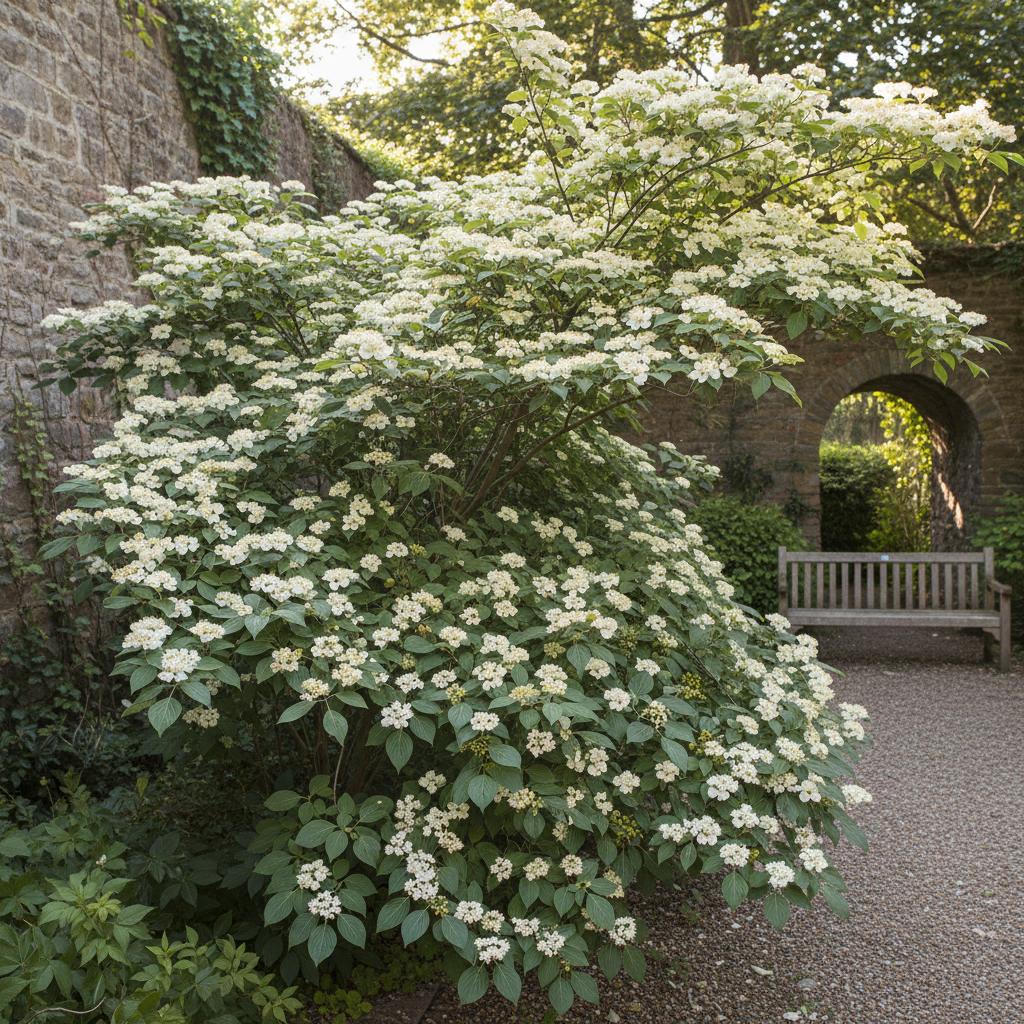
- Flowers: Small, white, 4-petaled flowers borne in terminal, dome-shaped to paniculate clusters (cymes) about 3-6 cm across.
- Fruit: Small white drupes that mature in late summer, uniquely borne on bright red pedicels (fruit stalks) that remain striking even after the fruit is eaten by birds.
- Bark: Young stems are reddish-brown, maturing to a distinct ashy gray; older bark is gray and slightly fissured.
Care Guide
Watering
Water deeply once a week during the first growing season to establish roots.
Fertilization
Apply a light layer of compost or organic mulch around the base.. Requires very little supplemental feeding; organic mulch mimics its natural woodland habitat.
Leaf Litter and Coffee Grounds Compost:Mix used coffee grounds with crushed dried leaves and vegetable scraps, compost thoroughly, and apply as a top dressing in early spring. This mimics the natural forest floor leaf litter dogwoods love. Avoid uncomposted raw materials near the trunk.Pruning
- Sucker Control: Prune root suckers regularly if you want to maintain a single shrub form, as it naturally spreads to form dense thickets.
- Rejuvenation: Remove one-third of the oldest stems at ground level in late winter to encourage vigorous new growth.
- Deadheading: Not recommended, as removing spent flowers will eliminate the attractive white berries and red pedicels.
Toxicity
Warning: this plant may be toxic.
Pets & Humans
Pets: Non-toxic to cats per ASPCA guidelines for Cornus species.
Humans: Non-toxic; berries are extremely astringent and unpalatable but not poisonous.
Garden Uses & Culture
Culture: Highly valued in North American native landscaping for its exceptional wildlife support, providing crucial late-season forage for migrating birds.
Usage: Excellent for erosion control on slopes, naturalized borders, rain gardens, and wildlife habitats.