 PlantFun
Plant Needs
Characteristics
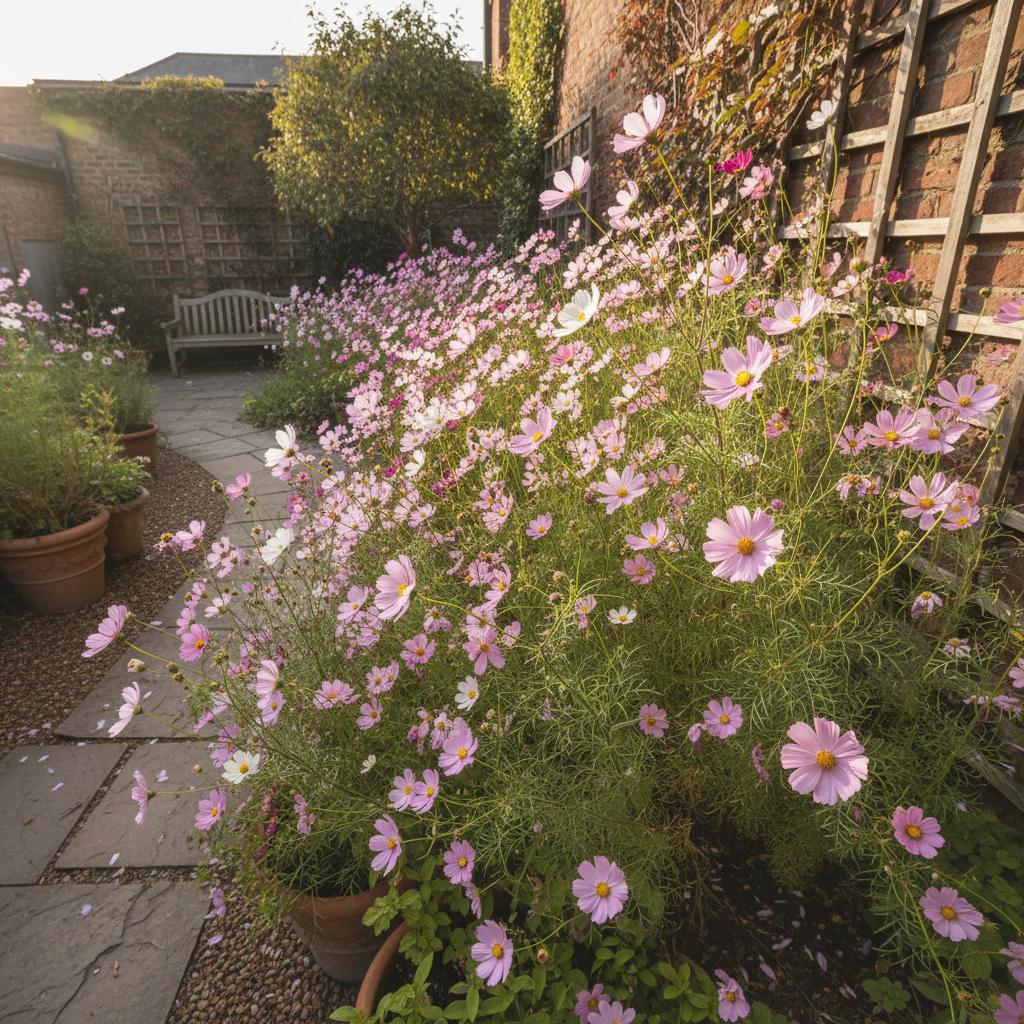
- Leaves: Finely dissected, pinnatifid to bipinnatifid, with thread-like linear segments, opposite arrangement;
- Flowers: Small radiate flower heads, 1 to 2 cm across; ray florets typically pale pink to white, sometimes pale magenta, with 3-toothed tips; disk florets yellow;
- Stem: Slender, erect, branching, glabrous or sparsely pubescent.
Care Guide
Water moderately during early growth, then reduce frequency once established, allowing soil to dry out completely between waterings.
Do not fertilize; rich soils or added nitrogen will promote foliage growth at the expense of flowers.. This native wildflower thrives in nutrient-poor soils and generally requires no supplemental feeding.
Banana Peel Tea:If grown in sterile potting mix, soak chopped banana peels in water for 24 hours, strain, and use the liquid to encourage blooming. Avoid using on rich garden soils to prevent over-feeding.- Deadheading: Pinch off spent flower heads to encourage continuous blooming throughout the late summer.
- End of Season: Leave some flower heads on the plant in autumn to allow seeds to mature and self-sow for the following year.
- Clearance: Pull up and compost the dead stems after the first hard frost kills the plant.
Toxicity
Warning: this plant may be toxic.
Pets: Non-toxic to cats per ASPCA guidelines for the Cosmos genus.
Humans: Non-toxic to humans; no adverse effects expected from incidental contact or minor ingestion.
Garden Uses & Culture
Culture: In the American Southwest, native wildflowers like the Southwestern Cosmos are celebrated in xeriscaping and naturalistic garden designs, symbolizing resilience and the rugged beauty of the desert landscape.
Usage: Excellent for pollinator gardens, native plant restorations, xeriscaping, and naturalized meadow plantings. Attracts bees, butterflies, and other beneficial insects.