 PlantFun
Plant Needs
Characteristics
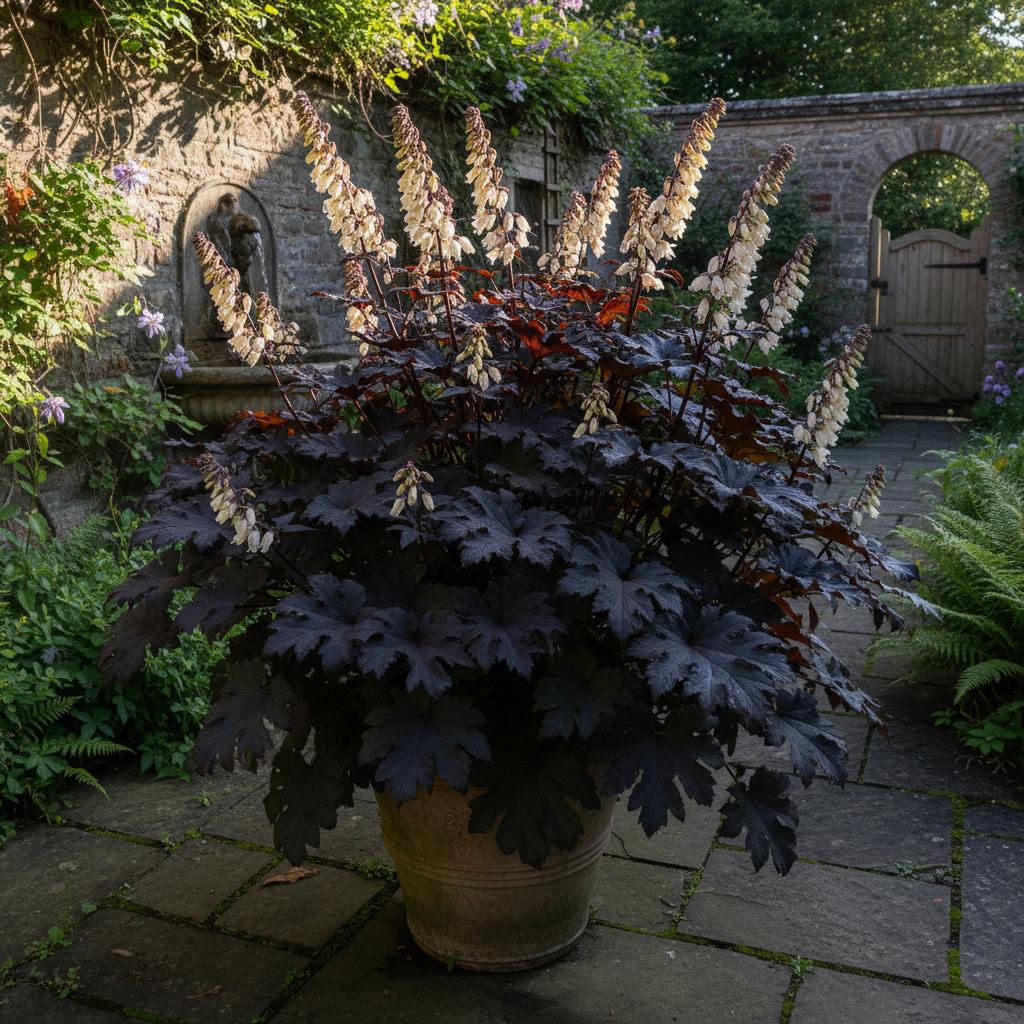
- Leaves: Deciduous, alternate, simple, obovate to rounded, emerging deep purple-black and retaining dark color through summer, turning vibrant red and orange in autumn;
- Flowers: Tiny, yellowish-green flowers borne in large, airy, terminal panicles; the pedicels elongate and develop purplish-pink hairs, creating a distinctive "smoke-like" appearance;
- Bark: Grayish-brown, becoming scaly and fissured with age;
- Stems: Stout, exuding a distinct odor when crushed or cut.
Care Guide
Water deeply once a week during active growth and extreme heat.
Apply a layer of compost or a balanced organic mulch at the base.. Generally does not require heavy fertilization; poor soils often produce the best "smoke" displays.
Compost and Banana Peel Mulch:Chop banana peels and mix with garden compost. Apply as a top-dressing mulch in early spring to support root health without over-stimulating leafy green growth. Avoid piling against the trunk.- Prune in late winter or early spring while dormant;
- Remove dead, diseased, or crossing branches to maintain an open framework;
- Can be coppiced (cut back to the ground) every 1-2 years to produce massive, intensely colored leaves, though this sacrifices the "smoke" flowers for that season.
Toxicity
Warning: this plant may be toxic.
Pets: Ingestion may cause mild gastrointestinal upset; sap can cause topical irritation (per ASPCA guidelines for general Anacardiaceae non-toxic but irritating sap).
Humans: Sap may cause mild contact dermatitis or skin irritation in sensitive individuals.
Garden Uses & Culture
Culture: In Victorian English estate gardens, the smokebush was highly prized for its dramatic, hazy texture, often planted at the edges of large lawns to create an illusion of purple mist at dusk.
Usage: Excellent as a specimen plant, in shrub borders, or for massing. Branches are often used in dramatic cut floral arrangements.