 PlantFun
Plant Needs
Sunlight
Bright indirect light or partial sun; avoid harsh midday direct sunlight which can scorch the thin leaves.
Watering
Keep the potting medium evenly moist but well-drained during active growth; reduce watering slightly in winter.
Temperature
Prefers cool to moderate temperatures; requires a distinct winter temperature drop to initiate blooming.
Characteristics
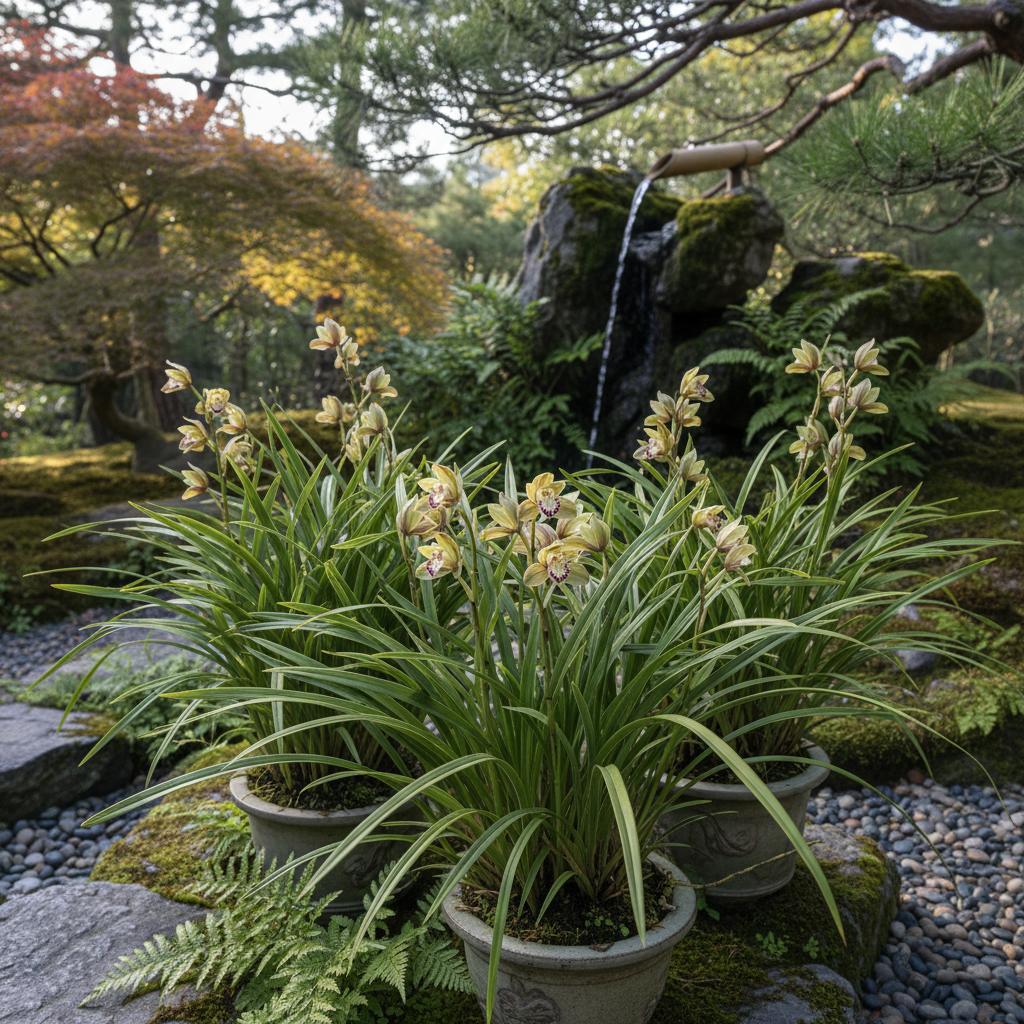
- Leaves: Linear, dark green, 40-70 cm long, thin and elegant, margins finely serrate;
- Flowers: Erect raceme bearing 5-12 fragrant blooms, sepals and petals variable (often greenish to purplish-red), lip usually spotted with red;
- Pseudobulbs: Small, narrowly ovoid, largely enclosed by the leaf bases;
- Roots: Thick, fleshy, and well-adapted to terrestrial or semi-epiphytic growth.
Care Guide
Watering
Water thoroughly when the top inch of the medium dries out.
Fertilization
Apply a balanced orchid fertilizer at half strength.. Feed regularly during the active growing season, but flush the pot with plain water once a month to prevent salt buildup.
Banana Peel Tea:Steep chopped banana peels in water for 24 hours, strain, and dilute 1:1 with water. Use to encourage strong root and flower development. Avoid leaving raw peels in the pot to prevent pests and odor.Pruning
- Remove spent flower spikes at the base using sterilized shears;
- Trim away any yellowing, dead, or diseased leaves to maintain airflow and aesthetics;
- Repot and divide overgrown pseudobulbs every 2-3 years after blooming, ensuring each division has at least three healthy pseudobulbs.
Toxicity
Warning: this plant may be toxic.
Pets & Humans
Pets: Non-toxic to cats per ASPCA.
Humans: Non-toxic to humans.
Garden Uses & Culture
Culture: N/A
Usage: - Cultivated as an elegant indoor ornamental plant in Western orchid collections; - Prized for its delicate winter fragrance and graceful foliage.