 PlantFun
Plant Needs
Sunlight
Requires full sun for optimal blooming and strong stem growth.
Watering
Keep soil consistently moist but well-drained; water deeply when the top inch of soil feels dry.
Temperature
Thrives in warm summer temperatures; tubers are not frost-hardy and must be lifted in cold climates.
Characteristics
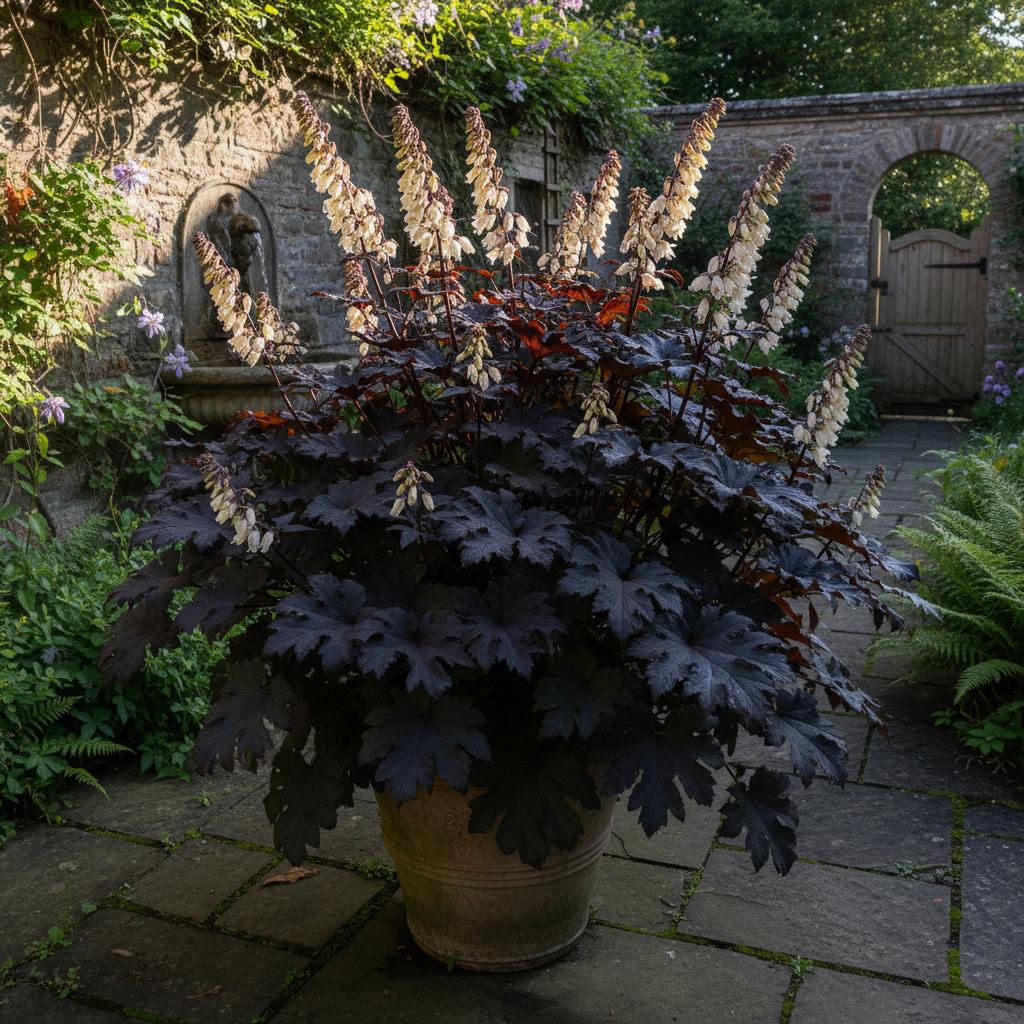
- Leaves: Opposite, pinnately compound, leaflets ovate with serrated margins, often tinged with dark bronze or purplish hues in dark cultivars;
- Flowers: Striking composite flower heads with deep burgundy to near-black ray florets and a central disc, borne on long, sturdy stems;
- Stem: Upright, hollow, fleshy, and often exhibiting a purplish tint.
Care Guide
Watering
Water deeply 2-3 times a week, especially during dry spells.
Fertilization
Apply a balanced fertilizer when planting.. Avoid high nitrogen fertilizers, which promote leafy growth at the expense of flowers.
Banana Peel Tea:Steep chopped banana peels in water for 24-48 hours. Dilute 1:1 with water and apply to the base of the plant to encourage robust blooming. Discard solids in compost to avoid attracting pests.Pruning
- Pinch out the center shoot when the plant is about 40 cm tall to encourage branching and more blooms;
- Deadhead spent flowers regularly to prolong the blooming period;
- Cut foliage down to 10 cm above the ground after the first killing frost before lifting tubers.
Toxicity
Warning: this plant may be toxic.
Pets & Humans
Pets: Toxic to cats per ASPCA. May cause mild gastrointestinal upset or mild dermatitis.
Humans: Generally non-toxic to humans; tubers were historically consumed, though foliage may cause mild skin irritation in sensitive individuals.
Garden Uses & Culture
Culture: In Victorian floriography, the dahlia symbolizes elegance, inner strength, and a lasting bond or commitment.
Usage: Highly prized as a cut flower for dramatic floral arrangements and as a striking focal point in garden borders.