PlantFun
Plant Needs
Sunlight
Bright indirect light; tolerates partial shade, but avoid intense midday direct sun which can scorch leaves
Watering
Water thoroughly when the top 2 cm of soil feels dry; avoid overwatering to prevent root rot and fungal growth
Temperature
Thrives in 15–25°C; protect from frost below 10°C to prevent stem damage
Characteristics
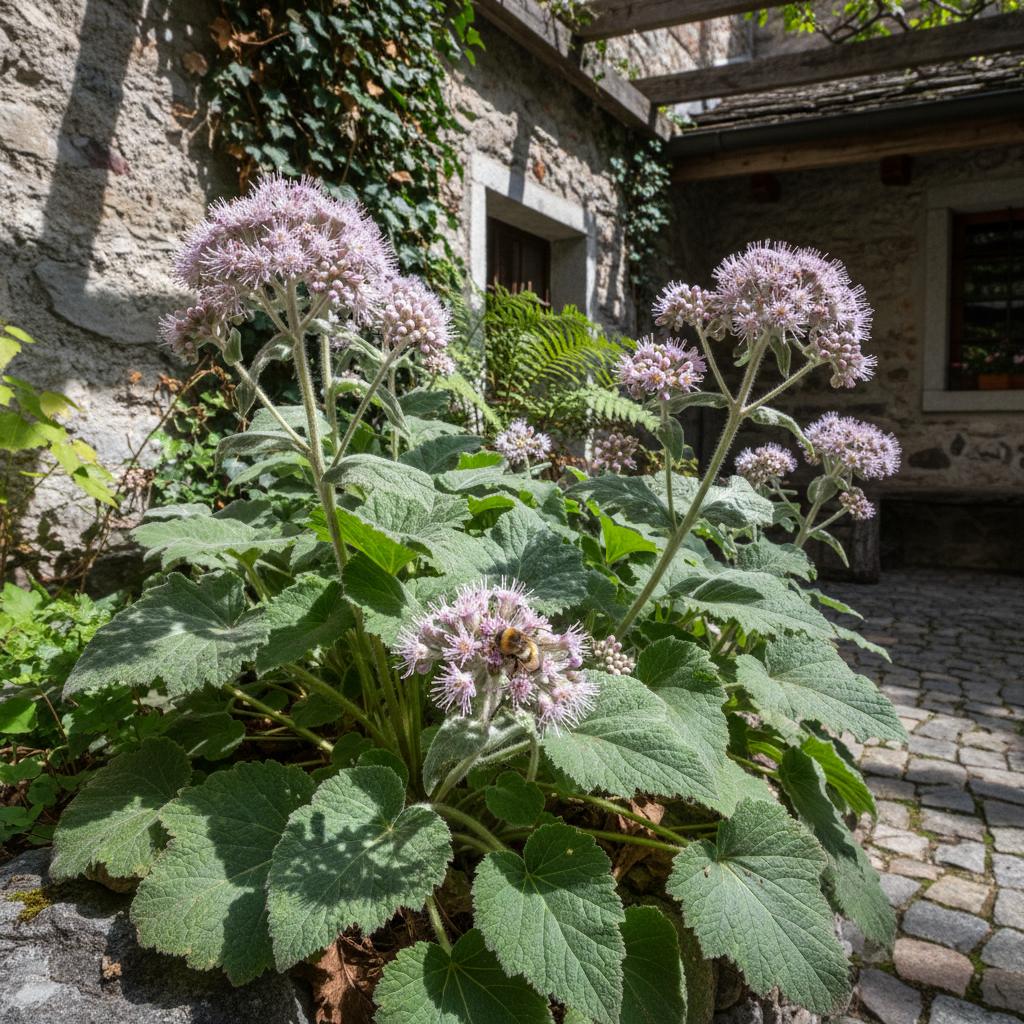
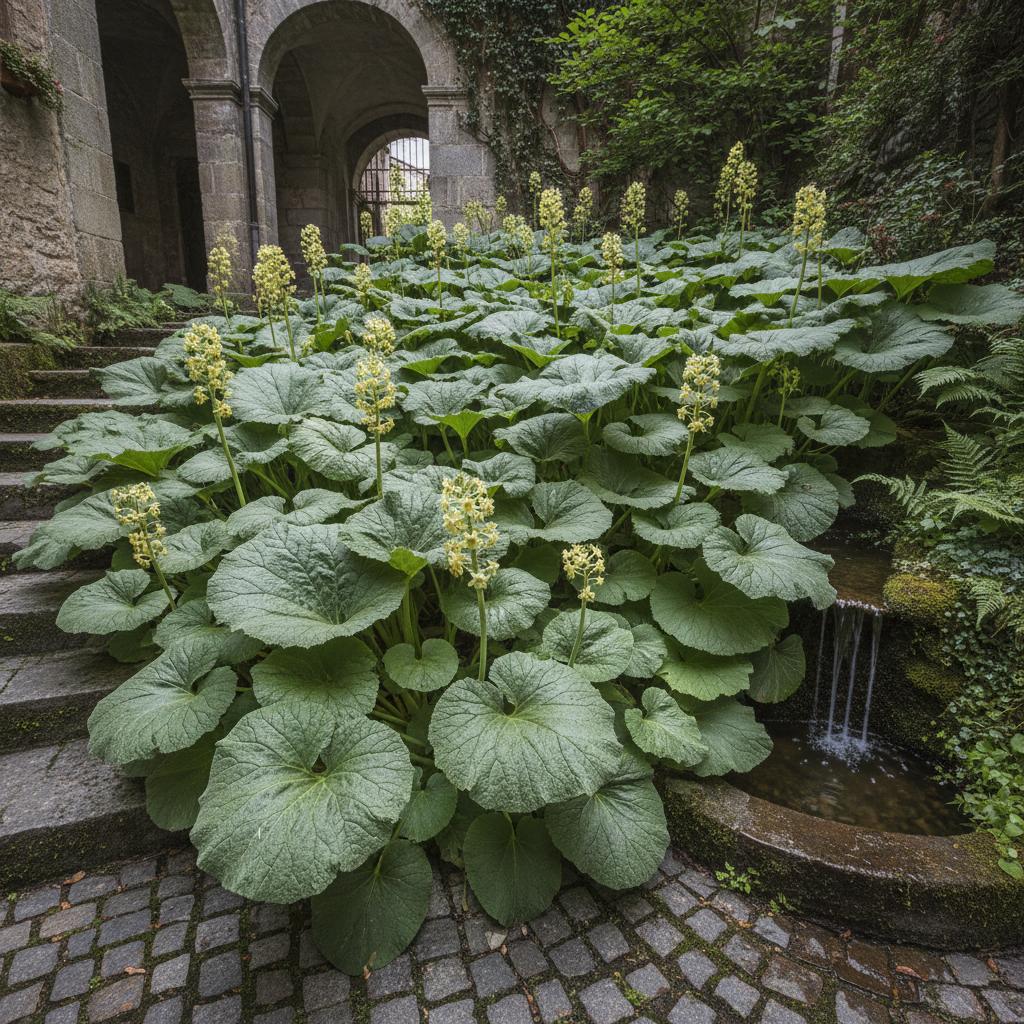
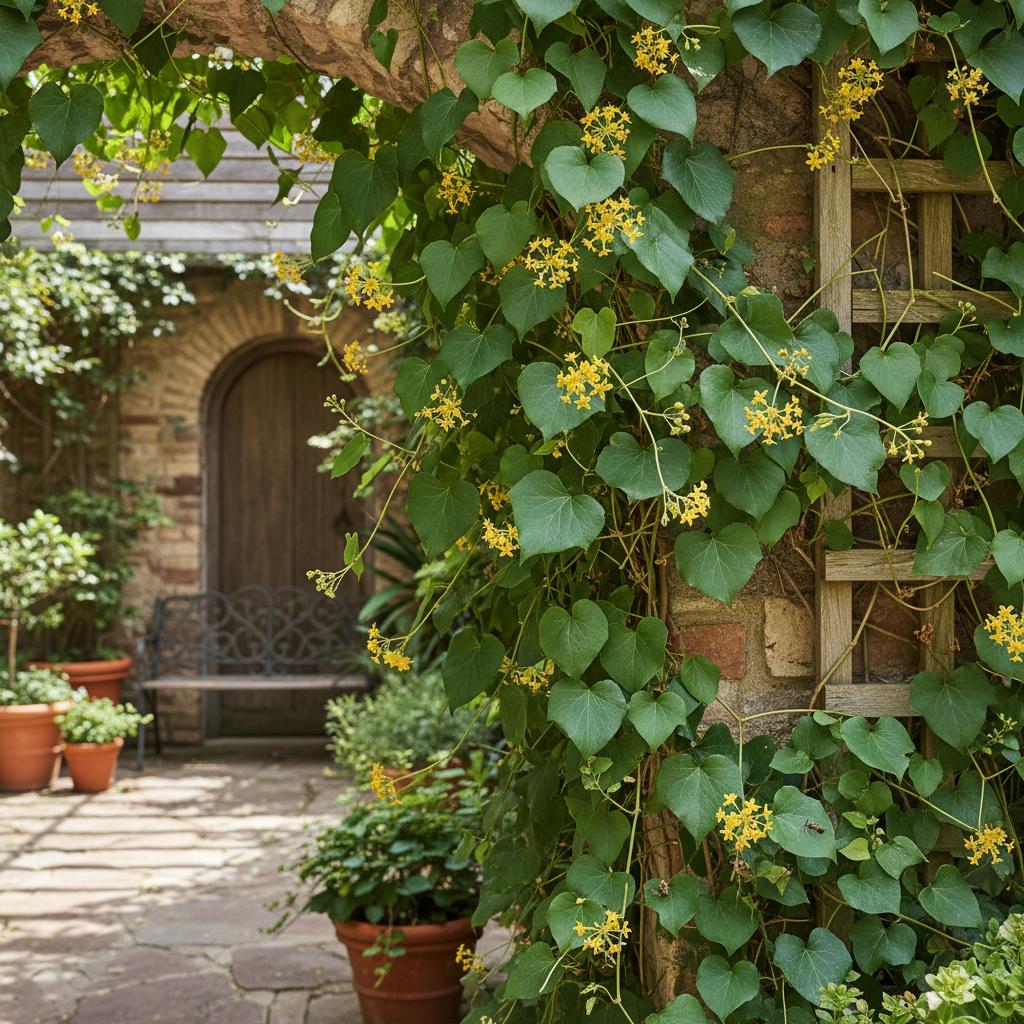
- Leaf: Round to kidney-shaped, glossy green, 2–5 cm wide, with 3–5 shallow lobes
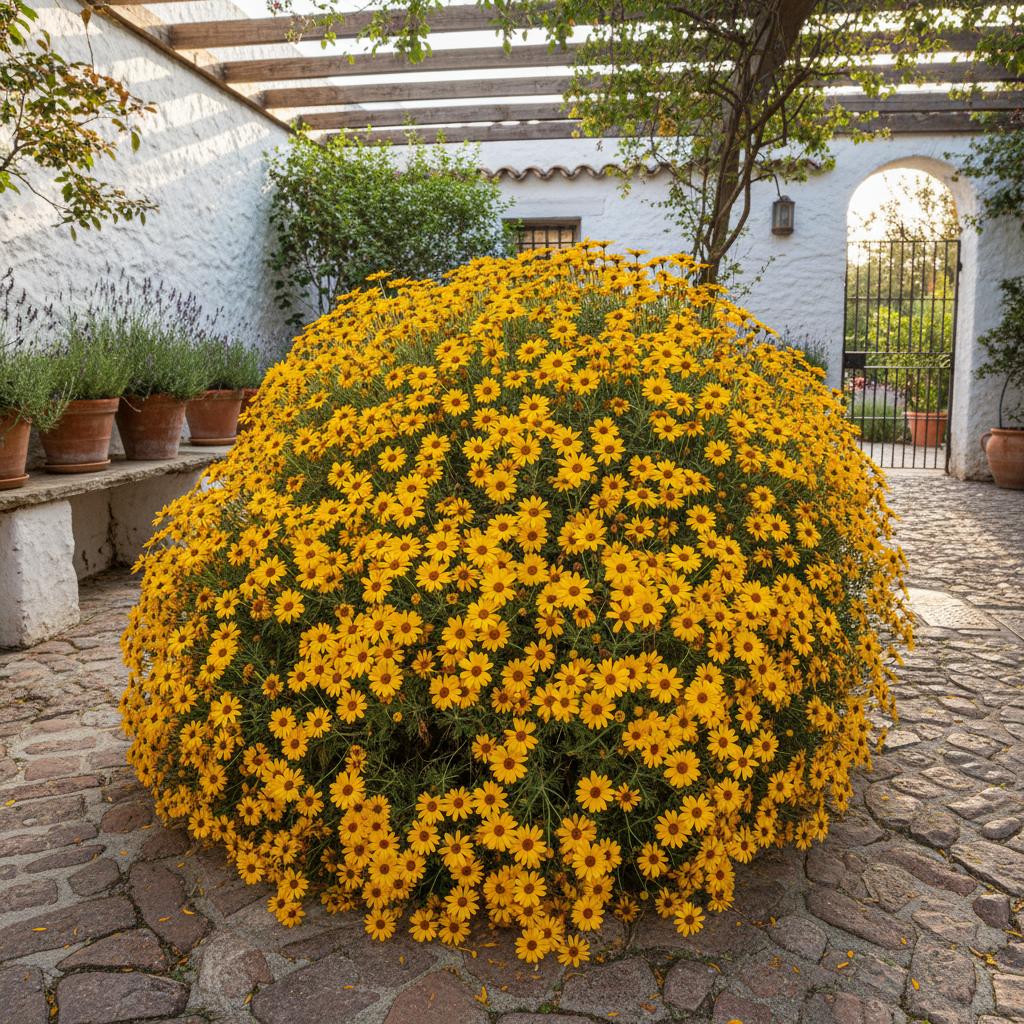
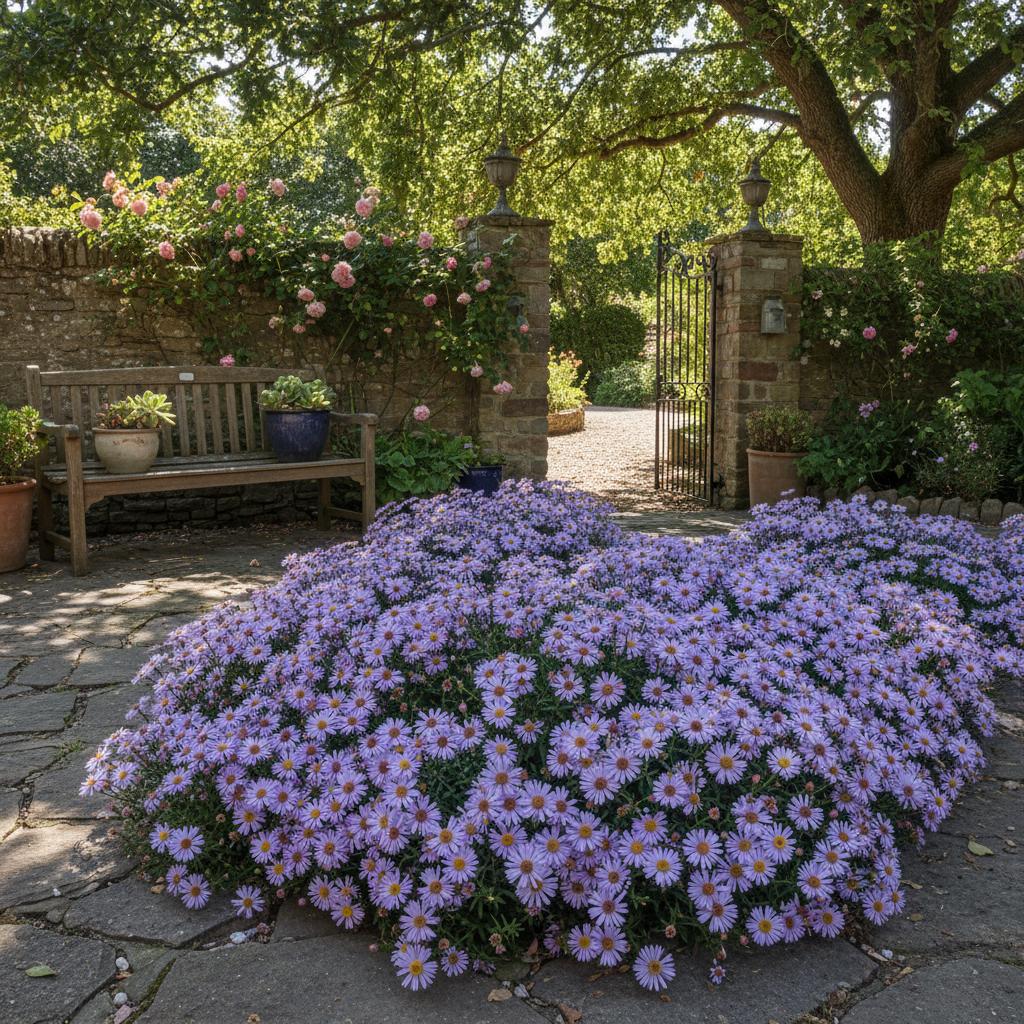
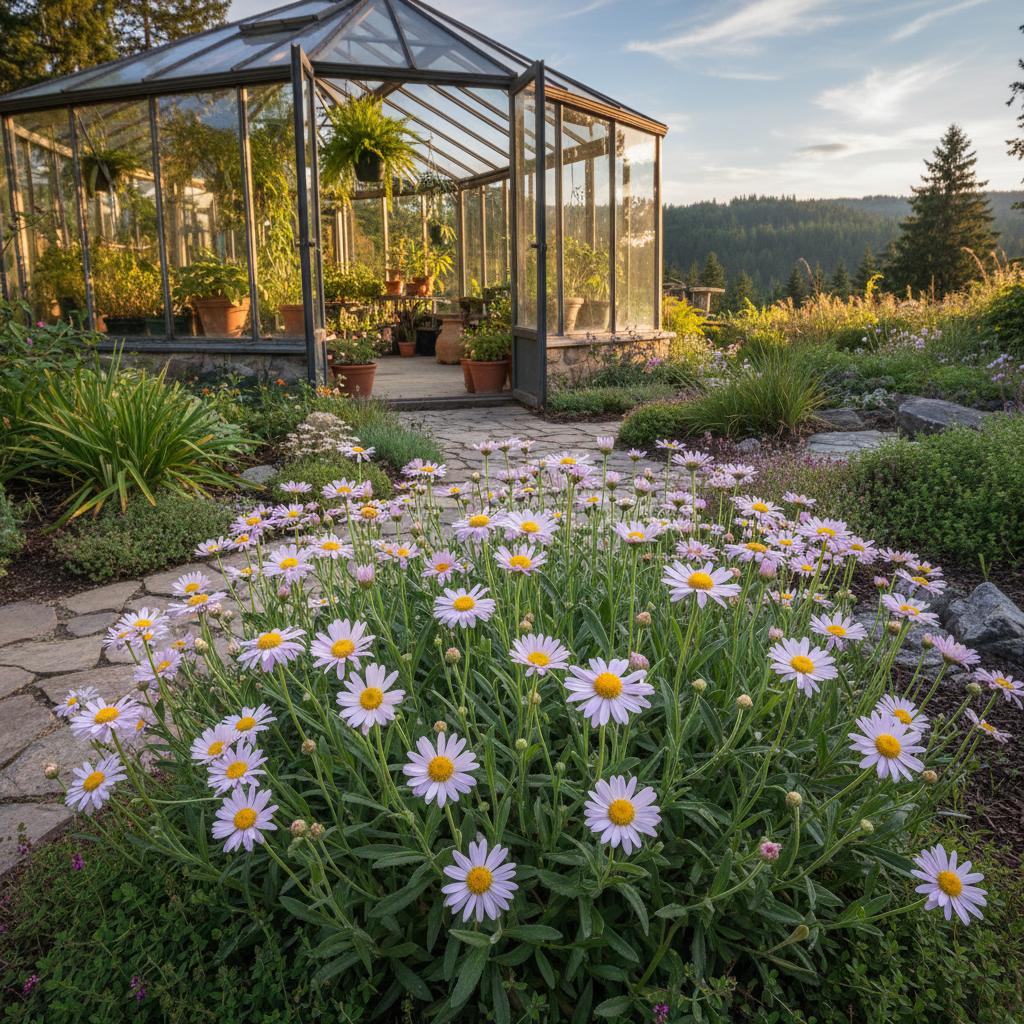
- Flower: Clusters of small, bright yellow, daisy-like composite blooms with a faint sweet fragrance
- Stem: Slender, herbaceous trailing stems with adventitious roots for anchoring to surfaces
Care Guide
Watering
Keep soil consistently slightly moist; mist foliage occasionally to boost humidity
Fertilization
Diluted balanced liquid feed every 2 weeks. Discontinue fertilization in autumn and winter when growth slows
Banana peel tea:Soak 1 fully peeled banana in 1 liter of water for 24 hours; dilute the resulting tea 1:2 with fresh water before applying to soil to avoid nutrient burnPruning
- Trim overgrown trailing stems in early spring to maintain a compact, bushy shape
- Remove yellowing, damaged, or diseased foliage regularly to improve airflow and reduce pest risk
- Pinch back growing tips every 4–6 weeks during the growing season to encourage lateral branching
Toxicity
Warning: this plant may be toxic.
Pets & Humans
Pets: ASPCA: Toxic due to pyrrolizidine alkaloids; may cause liver damage, vomiting, and lethargy
Humans: Ingestion may cause mild gastrointestinal irritation; prolonged exposure to large amounts may lead to liver enzyme changes
Garden Uses & Culture
Culture: N/A
Usage: Ornamental trailing plant for hanging baskets; considered invasive in some coastal regions due to rapid spreading