 PlantFun
Plant Needs
Sunlight
Thrives in full sun to partial shade; best blooming occurs with ample direct morning sunlight.
Watering
Drought-tolerant once established; prefers deep, occasional watering rather than frequent shallow moisture.
Temperature
Hardy and adaptable, tolerating light frosts but thriving in warm, subtropical to temperate climates.
Characteristics
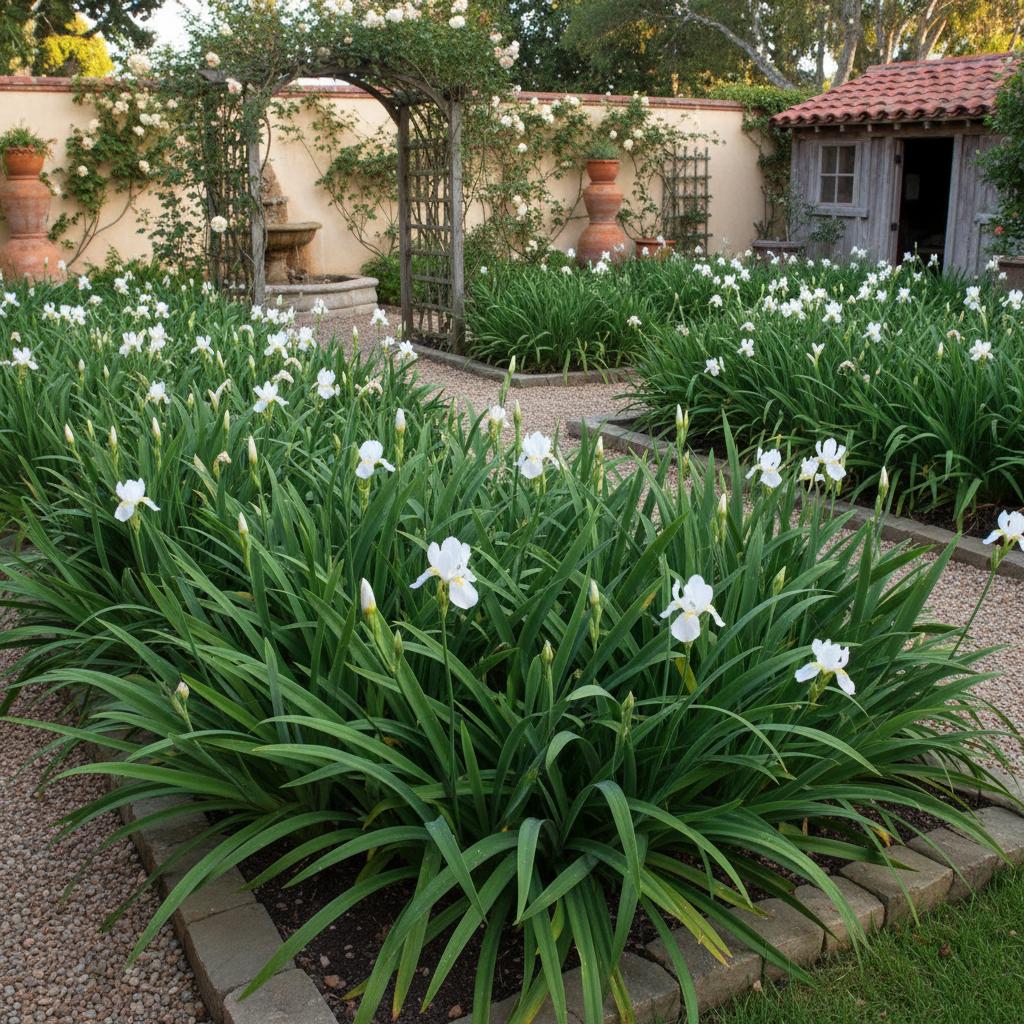
- Leaves: Evergreen, stiff, sword-shaped, dark green, arranged in basal fans growing from creeping rhizomes;
- Flowers: Iris-like, predominantly pure white with yellow to orange nectar guides and sometimes pale violet style branches, lasting only a few days but blooming in continuous flushes;
- Stems: Slender, wiry, branching flower stalks that can produce blooms over multiple seasons;
- Roots: Thick, creeping rhizomes that form dense, spreading clumps.
Care Guide
Watering
Water deeply when the top 2-3 inches of soil feel dry to the touch.
Fertilization
Apply a balanced, slow-release organic layer or compost.. Avoid over-fertilizing, which can promote excessive foliage growth at the expense of flowers.
Banana Peel Tea:Steep chopped banana peels in a jar of water for 24-48 hours. Strain and dilute 1:1 with fresh water, then pour around the base of the plant to encourage prolific blooming. Discard the solid peels in an outdoor compost bin to avoid attracting fruit flies.Pruning
- Deadheading: Remove developing seed pods to redirect energy into new blooms, but do NOT cut the entire flower stalk down, as it will produce more flowers;
- Foliage Cleanup: Pull or cut away dead, brown outer leaves at the base to keep the clump looking tidy;
- Division: Divide overgrown clumps every 3-5 years in early spring to rejuvenate the plant and propagate new specimens.
Toxicity
Warning: this plant may be toxic.
Pets & Humans
Pets: May cause mild vomiting or diarrhea if ingested, per general Iridaceae guidelines.
Humans: Ingestion of rhizomes or large amounts of plant material may cause mild gastrointestinal upset.
Garden Uses & Culture
Culture: In modern Western landscaping, its architectural foliage and reliable blooms make it a staple for low-maintenance, water-wise garden designs, symbolizing endurance and purity.
Usage: Ideal for mass plantings, borders, median strips, coastal gardens, and drought-tolerant xeriscaping.