 PlantFun
Plant Needs
Sunlight
Prefers medium to bright indirect light, but highly tolerant of low light conditions. Avoid direct sun which can scorch leaves.
Watering
Allow the top 50% of the soil to dry out before watering. Sensitive to fluoride and chlorine in tap water.
Temperature
Thrives in standard indoor temperatures; avoid cold drafts below 15°C.
Characteristics
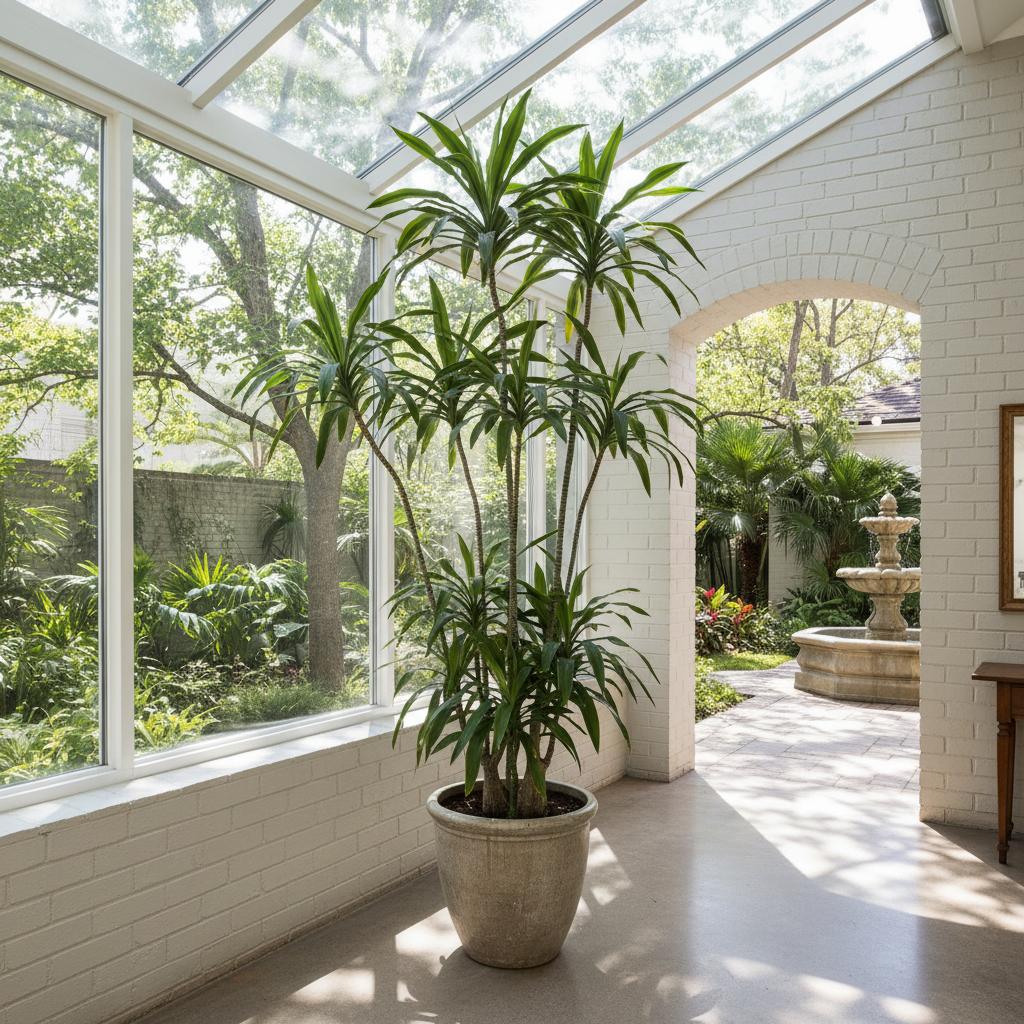
- Leaves: Dark green, glossy, lanceolate to sword-shaped, tightly clustered along the stem, narrower and shorter than the standard species;
- Stems: Sturdy, upright, woody canes, often grown in staggered heights in a single container;
- Flowers: Panicles of small, highly fragrant, tubular white to pale pink flowers (rarely blooms indoors);
- Roots: Thick, fleshy rhizomatous root system.
Care Guide
Watering
Water thoroughly when the top half of the soil feels dry to the touch.
Fertilization
Feed with a diluted balanced liquid fertilizer.. Do not fertilize in autumn and winter when plant growth naturally slows down.
Aquarium Water Fertilizer:Use freshwater aquarium change water to water the plant. Ensure no harsh chemical treatments or medications were recently added to the tank. Avoid high salts.Pruning
- Remove yellowing or dead lower leaves by gently peeling them downward away from the cane;
- Cut back tall canes to control height and encourage new branching just below the cut;
- Wipe leaves regularly with a damp cloth to remove dust and prevent pest infestations.
Toxicity
Warning: this plant may be toxic.
Pets & Humans
Pets: Toxic per ASPCA. Contains steroidal saponins causing gastrointestinal and systemic issues.
Humans: Generally non-toxic, but ingestion of large amounts may cause mild gastrointestinal upset.
Garden Uses & Culture
Culture: Popularized in Western interior design during the 1970s houseplant boom for its architectural form and exceptional low-light tolerance in offices and homes.
Usage: Excellent indoor specimen plant, office plant, and recognized for its air-purifying qualities, removing toxins like formaldehyde and benzene.