PlantFun
Plant Needs
Characteristics
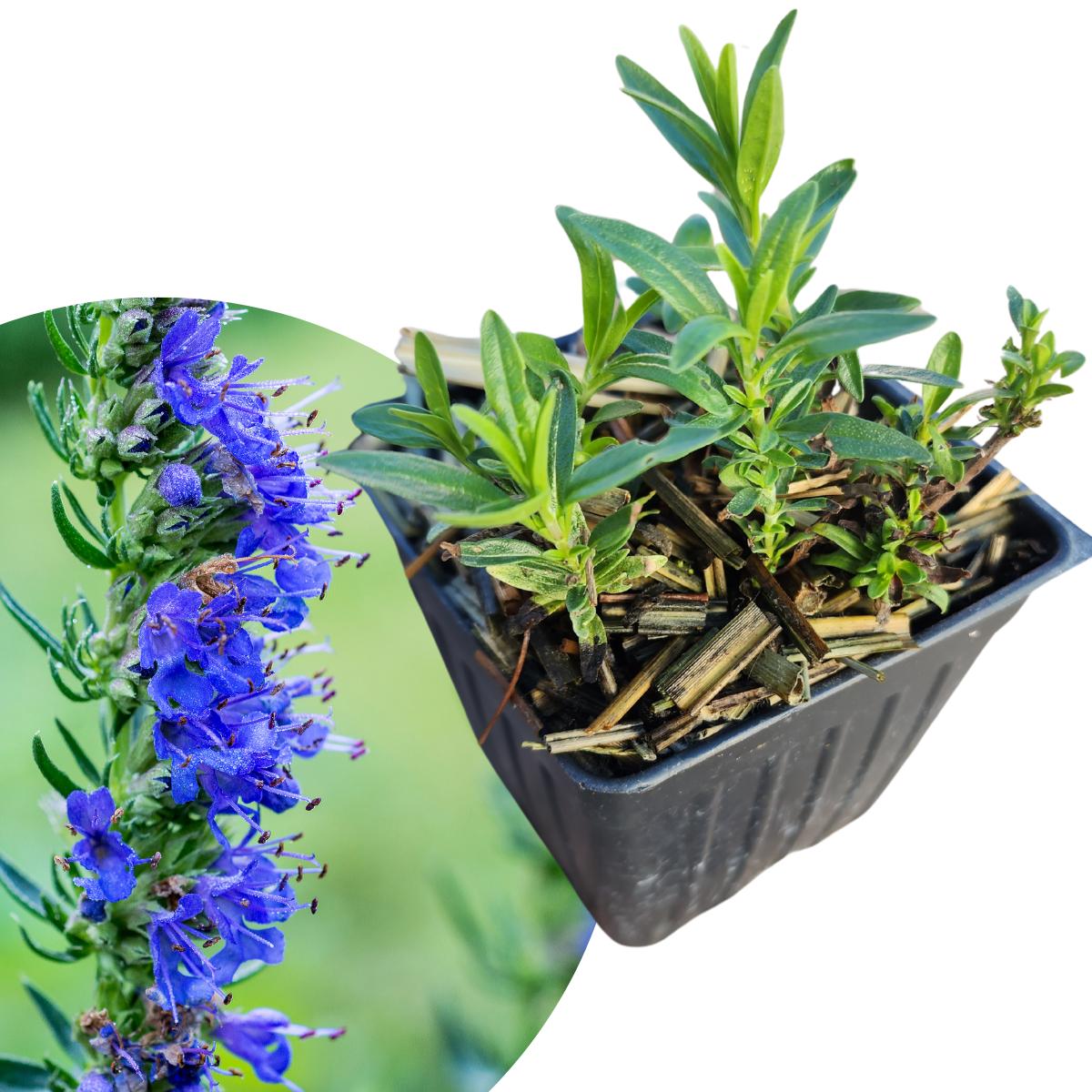
- Leaf: Lanceolate to ovate leaves with serrated margins; emits a strong, pungent aroma when crushed
- Flower: Small, greenish-white blooms clustered in axillary spikes
- Stem: Erect, branching stems ranging from green to reddish-brown
Care Guide
Keep soil evenly moist but not waterlogged; increase frequency during prolonged heatwaves
Diluted balanced liquid fertilizer every 4 weeks. Discontinue fertilizing in late autumn as growth slows
Eggshell powder topdressing:Crush clean, dried eggshells into fine powder; sprinkle a thin layer on soil surface to boost calcium levels and improve drainage; avoid direct contact with plant stems- Pinch back young stem tips to encourage bushy, compact growth
- Remove spent flower spikes to prevent unwanted self-seeding
- Trim yellowing or damaged leaves regularly to maintain plant health and air circulation
Toxicity
Warning: this plant may be toxic.
Pets: ASPCA: Toxic due to essential oils and terpenoids; may cause gastrointestinal distress and lethargy
Humans: Ingestion of large quantities may cause nausea, vomiting, and dizziness; small culinary amounts are generally safe for adults
Garden Uses & Culture
Culture: Used in Mexican and Central American cuisine to flavor beans and reduce flatulence; traditional medicinal uses are not recommended without professional oversight
Usage: Culinary herb (small quantities only), ornamental foliage for herb gardens, historical medicinal applications