 PlantFun
Plant Needs
Sunlight
Prefers full sun to partial shade for optimal growth and flowering.
Watering
Requires moderate watering, allowing the top few inches of soil to dry out between waterings.
Temperature
Highly adaptable, tolerating winter frosts and summer heat once established.
Characteristics
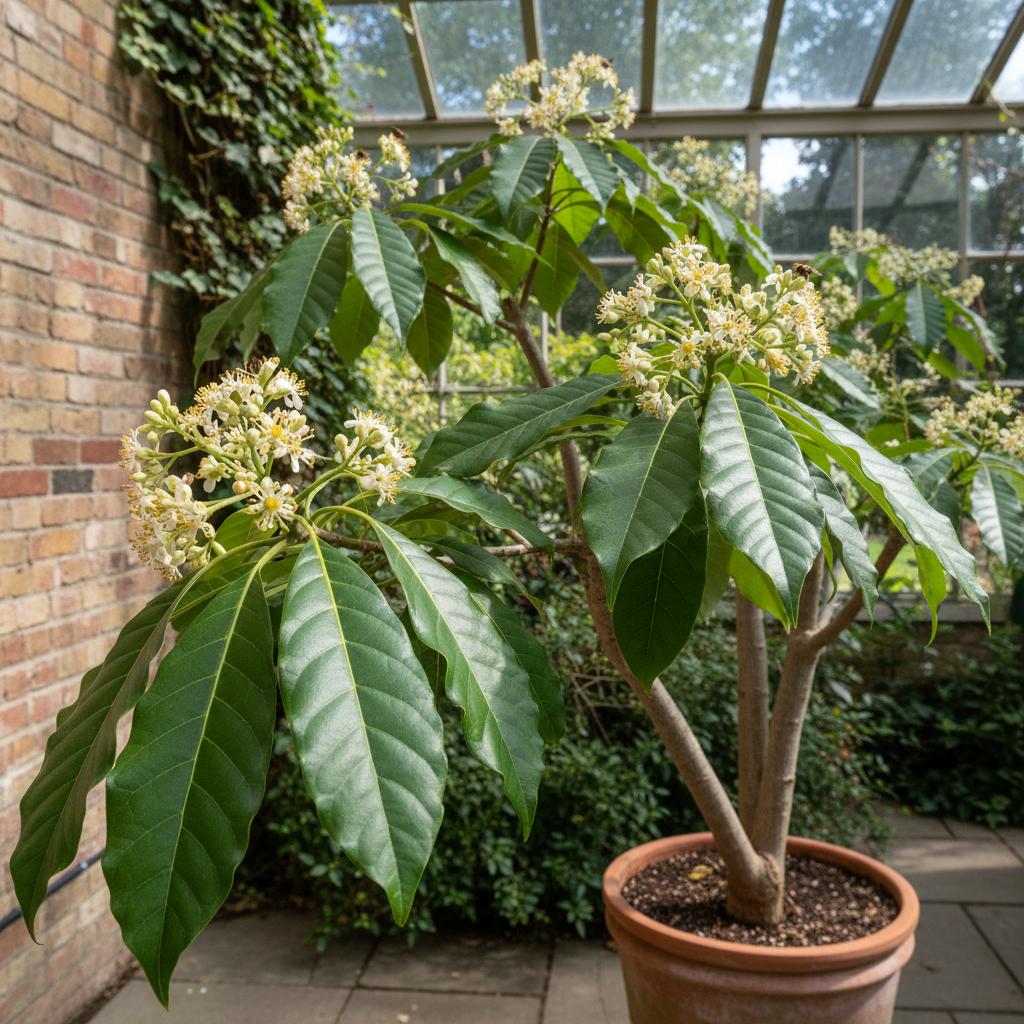
- Leaves: Opposite, pinnately compound with 5 to 13 leaflets, ovate to elliptic, featuring pellucid oil glands and a strong aroma when crushed.
- Flowers: Small, yellowish-white to greenish, arranged in terminal corymbose or paniculate cymes.
- Fruit: Reddish to purplish-black capsular follicles that split open to reveal shiny black seeds.
- Bark: Grayish-brown, relatively smooth with prominent lenticels on younger branches.
Care Guide
Watering
Water deeply once a week, increasing frequency during prolonged dry spells.
Fertilization
Apply a balanced organic mulch or compost around the base as new growth emerges.. Avoid over-fertilizing, which can promote excessive vegetative growth at the expense of flowers.
Banana Peel and Coffee Ground Mix:Bury chopped banana peels and used coffee grounds in the topsoil around the drip line. This provides a slow release of potassium for fruiting and nitrogen for foliage. Avoid placing directly against the trunk to prevent rot.Pruning
- Prune in late winter or early spring while the tree is still dormant.
- Remove dead, diseased, or crossing branches to improve air circulation.
- Shape the canopy to maintain a strong central leader and balanced framework.
- Avoid heavy pruning, as this can reduce the late summer floral display.
Toxicity
Warning: this plant may be toxic.
Pets & Humans
Pets: Essential oils and alkaloids can cause mild gastrointestinal irritation if chewed or ingested.
Humans: Contains alkaloids and essential oils that may cause gastrointestinal upset if ingested in large quantities.
Garden Uses & Culture
Culture: N/A
Usage: - Highly valued in Western horticulture as a late-season nectar source for honeybees. - Cultivated as an ornamental shade tree in parks and large gardens. - Aromatic foliage adds sensory interest to landscape designs.