 PlantFun
Plant Needs
Characteristics
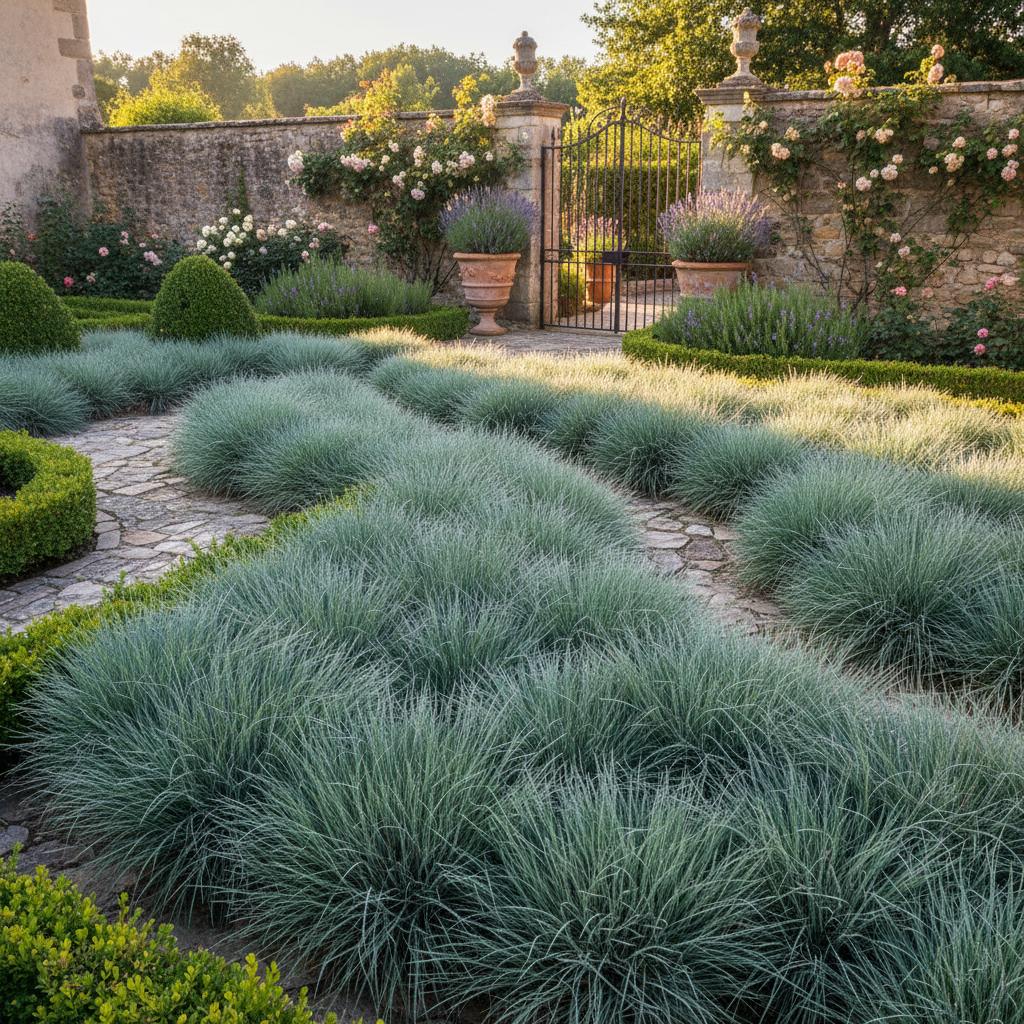
- Leaves: Narrow, bristle-like, tightly folded or rolled, green to slightly glaucous, forming dense basal tufts;
- Flowers: Inflorescence is a slender, somewhat contracted panicle bearing small spikelets on erect culms;
- Roots: Dense, fibrous root system adapted to rocky and well-drained substrates.
Care Guide
Water moderately during active growth in spring, allowing soil to dry completely between waterings.
Apply a light top-dressing of organic compost if the soil is exceptionally poor.. Fescues generally thrive in lean soils; over-fertilizing can cause the plant to become floppy and short-lived.
Mild Coffee Grounds Tea:Steep a small amount of used coffee grounds in water to create a very mild nitrogen boost. Apply sparingly in early spring only, as excessive nutrients will ruin the plant's compact form.- Comb out dead, brown leaves in early spring using gloved hands or a small hand rake to tidy the tuft;
- Cut back foliage to a few inches above the ground every 2-3 years in late winter to rejuvenate the clump;
- Remove spent flower stalks in late summer to maintain a neat appearance and prevent unwanted self-seeding.
Toxicity
Warning: this plant may be toxic.
Pets: Non-toxic per ASPCA guidelines for Festuca species.
Humans: No known toxicity; generally safe to handle and cultivate.
Garden Uses & Culture
Culture: In European pastoral traditions, fescues have long been the humble foundation of meadows and grazing lands, symbolizing resilience and the quiet endurance of the earth.
Usage: - **Ecological**: Provides habitat for local insects and stabilizes loose, rocky soils. - **Ornamental**: Excellent for rock gardens, alpine troughs, and naturalistic dry meadow plantings.