 PlantFun
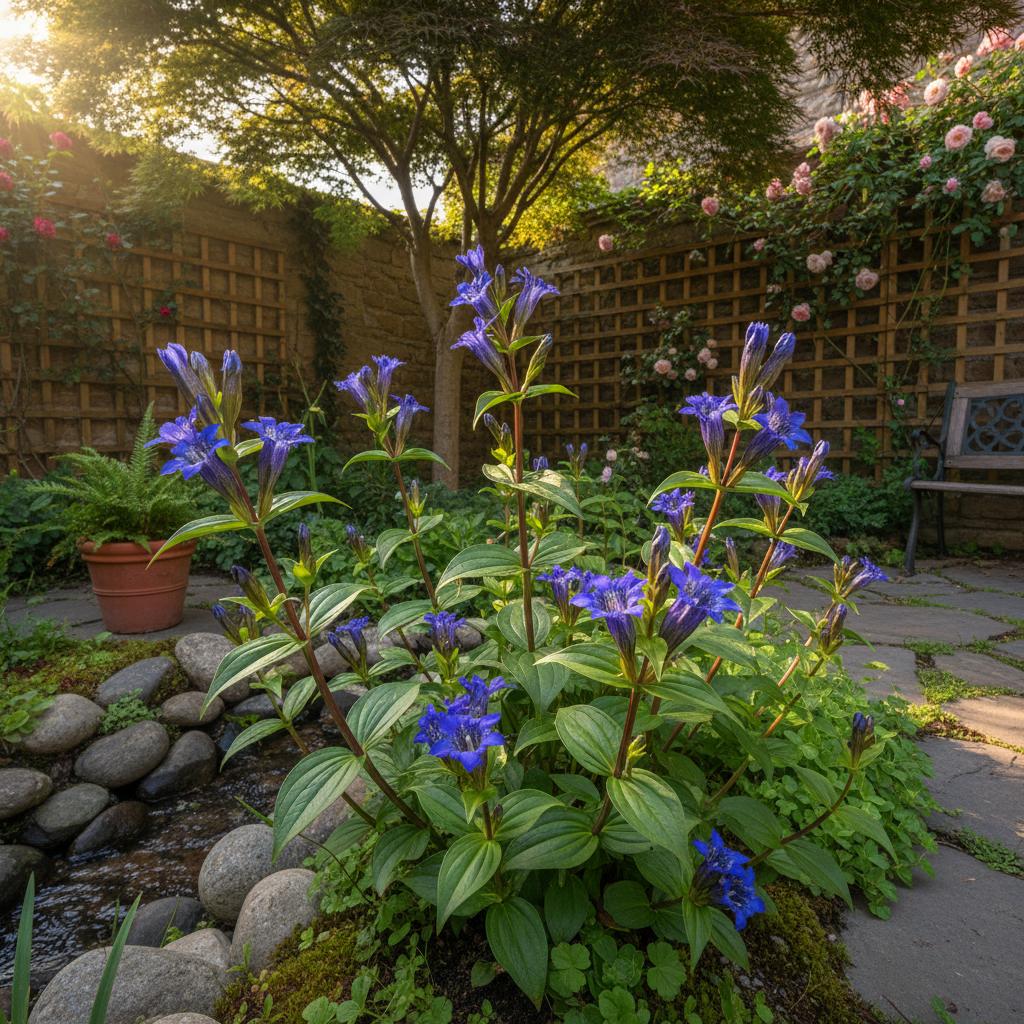
Plant Needs
Sunlight
Prefers full sun to partial shade, especially benefiting from afternoon shade in warmer climates.
Watering
Requires consistent moisture but excellent drainage; intolerant of waterlogged soils.
Temperature
Thrives in cool alpine climates; struggles in high heat and humidity.
Characteristics
- Leaves: Basal rosette with ovate to lanceolate leaves, stem leaves smaller, opposite, and sessile;
- Flowers: Terminal and axillary, tubular to bell-shaped, intense blue to purplish-blue, often with a fringed appearance at the lobes;
- Stems: Erect, highly branched from the base, glabrous and slender;
- Roots: Slender taproot adapted to rocky alpine soils.
Care Guide
Watering
Keep evenly moist but not waterlogged, watering when the top inch of soil feels dry.
Fertilization
Apply a very dilute, balanced fertilizer once as new growth appears.. Alpine plants generally require very little fertilization; over-fertilizing can cause leggy growth.
Eggshell Tea:Crush clean, dry eggshells and steep them in water for 3-4 days. Strain and use the liquid to water the plant. This provides gentle calcium without excess nitrogen, which suits alpine rockery plants. Avoid using raw or unwashed shells to prevent odors.Pruning
- Deadheading: Carefully pinch off spent flowers to maintain a tidy appearance, though as an annual, it will naturally die back.
- Cleanup: Remove any yellowing or dead basal leaves to improve air circulation and prevent rot.
Toxicity
Warning: this plant may be toxic.
Pets & Humans
Pets: Non-toxic per ASPCA guidelines.
Humans: Generally considered non-toxic; related species are used in traditional bitter tonics.
Garden Uses & Culture
Culture: In European alpine folklore, gentians are symbols of victory, intrinsic value, and the pristine beauty of the high mountains, often celebrated by mountaineers.
Usage: Primarily used as an ornamental plant in rock gardens, alpine troughs, and scree beds.