 PlantFun
Plant Needs
Sunlight
Prefers bright, indirect light or partial shade; avoid harsh direct afternoon sun which can scorch leaves.
Watering
Keep soil consistently moist but well-drained; allow the top inch to dry between waterings.
Temperature
Thrives in warm, humid tropical to subtropical climates; protect from frost.
Characteristics
- Leaves: Alternate, leathery, juvenile leaves lobed, adult leaves unlobed and ovate to rhombic, glossy dark green;
- Flowers: Small, greenish-yellow, arranged in globose umbels, rich in nectar;
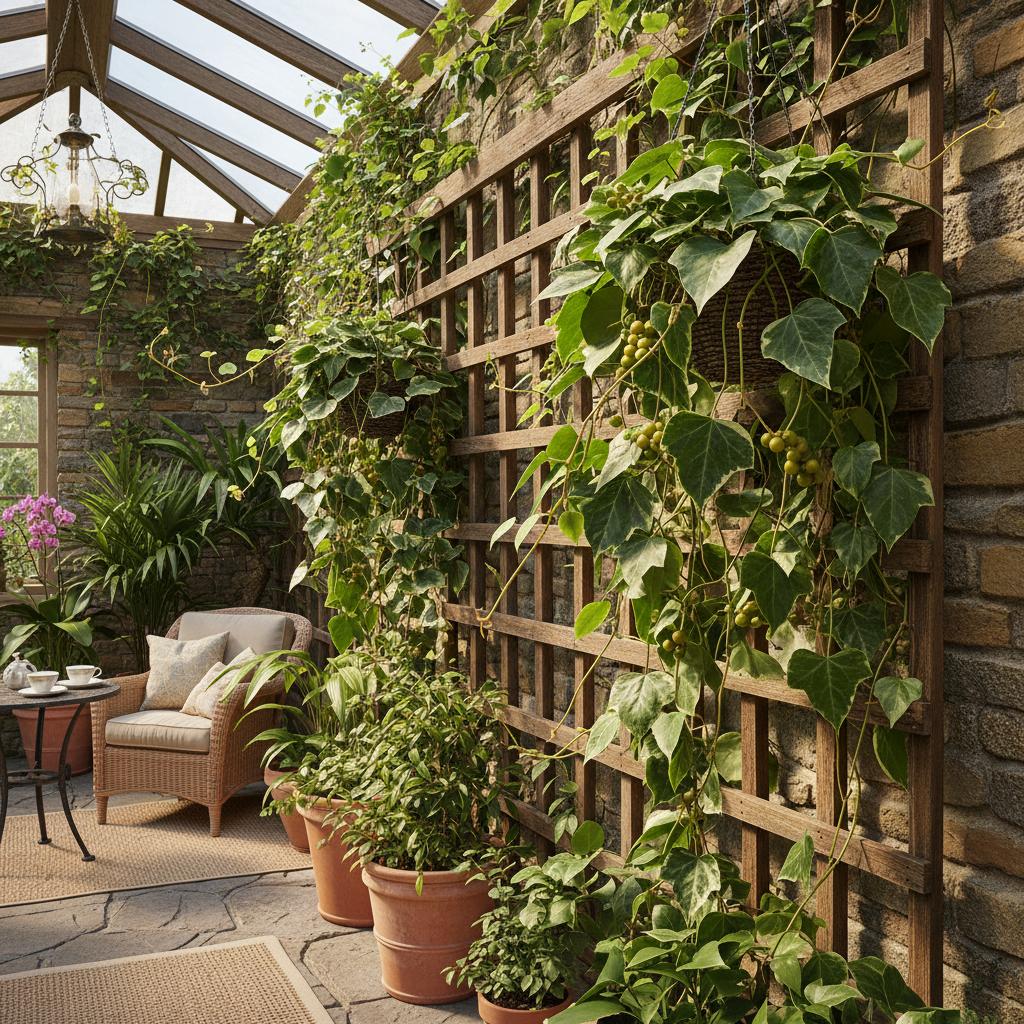
- Stems: Climbing vines producing adventitious aerial roots for attachment to vertical surfaces;
- Fruits: Small, globose, berry-like drupes that ripen to dark purple or black.
Care Guide
Watering
Water thoroughly when the top inch of soil feels dry.
Fertilization
Apply a balanced liquid fertilizer monthly.. Dilute fertilizer to half strength to prevent root burn.
Banana Peel Tea:Steep chopped banana peels in water for 24-48 hours. Strain and dilute 1:1 with water before applying to the soil. Avoid placing raw peels directly on the soil surface to prevent mold and fungus gnats.Pruning
- Prune in early spring to control size, shape, and direction of growth;
- Remove dead, damaged, or yellowing leaves regularly to improve airflow;
- Trim back overly long vines to encourage bushier, denser foliage at the base.
Toxicity
Warning: this plant may be toxic.
Pets & Humans
Pets: Toxic per ASPCA; contains triterpenoid saponins causing gastrointestinal distress and hypersalivation.
Humans: Sap contains triterpenoid saponins (hederagenin) which may cause contact dermatitis; ingestion causes mild gastrointestinal upset.
Garden Uses & Culture
Culture: In Western traditions, ivy symbolizes fidelity, eternal life, and strong bonds, often used in weddings and winter wreaths to represent enduring connections.
Usage: Excellent as an indoor trailing plant, hanging basket specimen, or outdoor ground cover and wall climber in frost-free zones.