 PlantFun
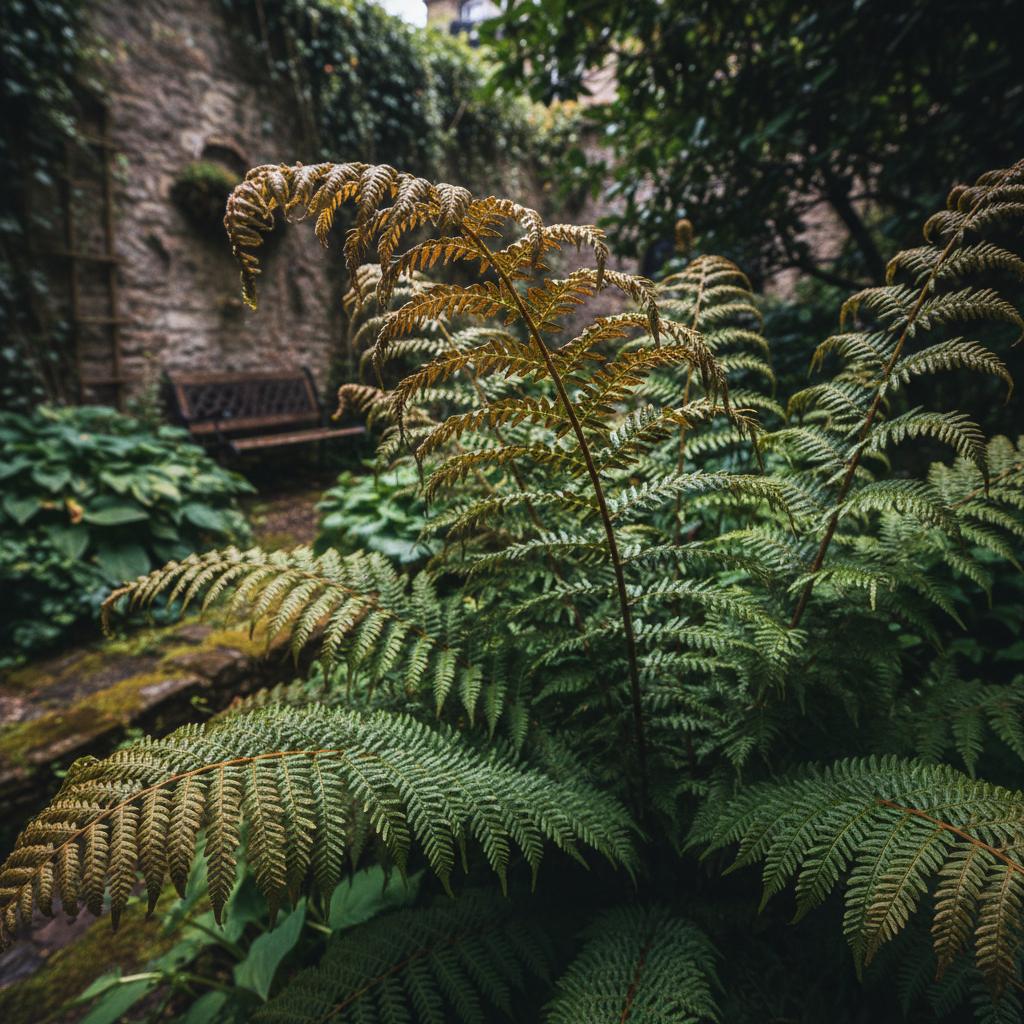
Plant Needs
Sunlight
Full sun to partial shade; prefers bright light for best foliage density.
Watering
Moderate watering; keep soil consistently moist but not waterlogged.
Temperature
Highly cold tolerant; thrives in temperate climates.
Characteristics
- Leaves: Small, ovate to elliptic, 2-3 cm long, dark green, with finely double-serrate margins and a characteristic asymmetrical base;
- Stems: Densely branching, twigs are slender, zigzagging, and often develop corky ridges with age;
- Habit: Shrubby, rounded to spreading, slow-growing, often multi-stemmed.
Care Guide
Watering
Water regularly to maintain even moisture, especially during dry spells.
Fertilization
Apply a balanced slow-release fertilizer as new growth appears.. Fertilize monthly during active growth if potted.
Compost Tea:Steep aged compost in water for 24-48 hours, strain, and use the liquid to water the base. Avoid applying to foliage.Pruning
- Prune in late winter or early spring before new growth begins;
- Remove dead, diseased, or crossing branches to maintain a healthy structure;
- Highly responsive to pruning, making it excellent for bonsai styling or topiary.
Toxicity
Warning: this plant may be toxic.
Pets & Humans
Pets: Non-toxic per ASPCA guidelines; safe around felines.
Humans: Non-toxic; no known adverse effects from handling or accidental ingestion.
Garden Uses & Culture
Culture: Widely appreciated in European and American horticulture for its architectural form and suitability for miniature landscapes and bonsai.
Usage: Ornamental shrub, bonsai specimen, rock gardens, and low hedging.