 PlantFun
Plant Needs
Characteristics
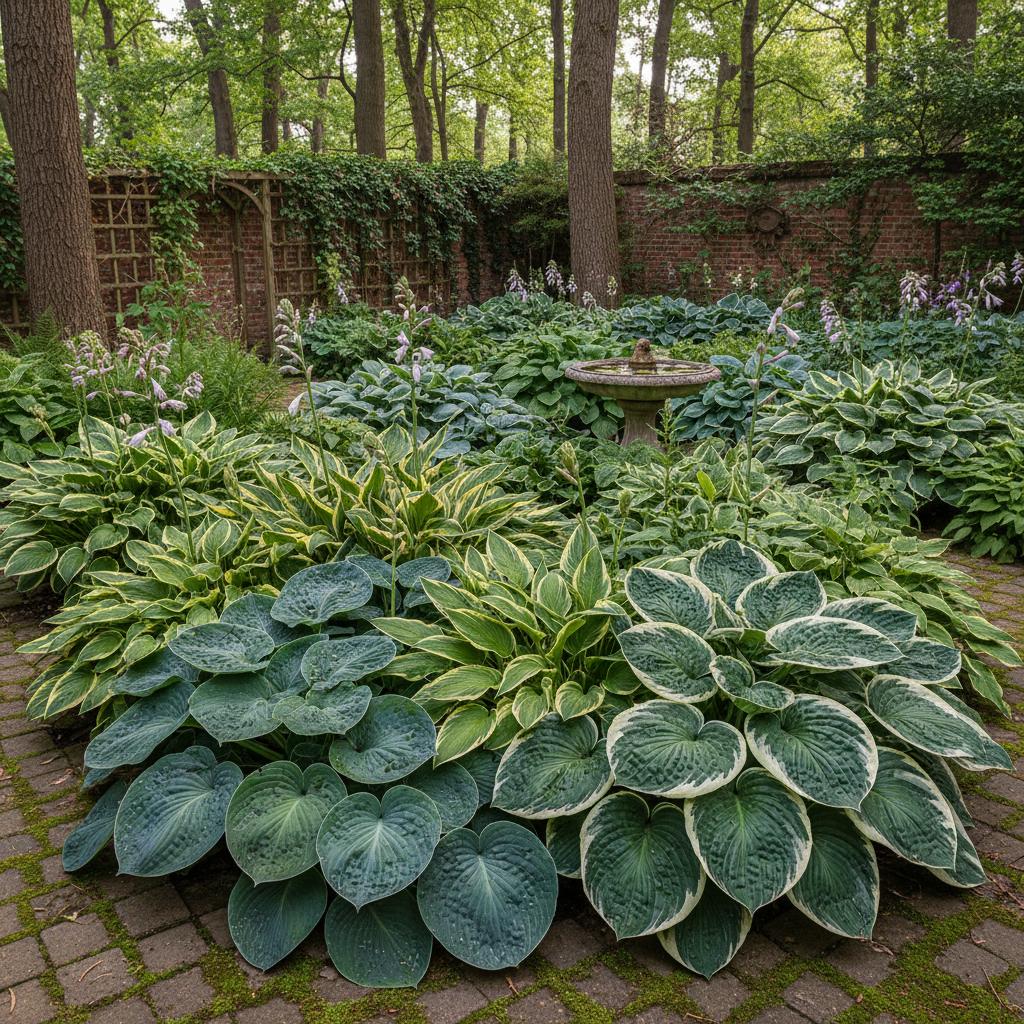
- Leaves: Basal, large, ovate to heart-shaped, glossy light green with prominent parallel venation, 15-25 cm long;
- Flowers: Funnel-shaped, pure white, highly fragrant, up to 10 cm long, borne on tall scapes above the foliage;
- Roots: Fleshy, clumping rhizomes.
Care Guide
Water deeply 1-2 times a week, keeping the soil evenly moist but not waterlogged.
Apply a balanced, slow-release fertilizer as new shoots emerge.. Avoid fertilizing late in the season to allow the plant to prepare for winter dormancy.
Crushed Eggshells and Coffee Grounds:Rinse and crush eggshells finely, mixing them with used coffee grounds. Sprinkle around the base of the plant to provide gentle nutrients and create a physical barrier against slugs and snails, which are common pests for this plant.- Remove dead or yellowing leaves throughout the growing season to maintain appearance;
- Cut back spent flower scapes to the base to redirect energy to the roots;
- After the first hard frost in autumn, cut all foliage down to the ground and remove debris to prevent overwintering pests.
Toxicity
Warning: this plant may be toxic.
Pets: Toxic (per ASPCA). Contains saponins that can cause gastrointestinal irritation.
Humans: Generally considered non-toxic to humans; young shoots are cooked and eaten in some cultures, though raw consumption is not recommended.
Garden Uses & Culture
Culture: In Western landscaping, Hostas are the quintessential shade garden plant, popularized in Europe and the Americas during the 19th century for their architectural foliage and reliability.
Usage: Excellent for shade garden borders, woodland gardens, ground cover, and container planting.