 PlantFun
Plant Needs
Sunlight
Requires bright, indirect light to maintain vibrant leaf coloration; can tolerate some morning direct sun but harsh afternoon sun may scorch leaves.
Watering
Prefers consistently moist soil; do not let the root ball dry out completely, but ensure good drainage to prevent rot.
Temperature
Thrives in warm, humid environments; highly sensitive to frost and cold drafts.
Characteristics
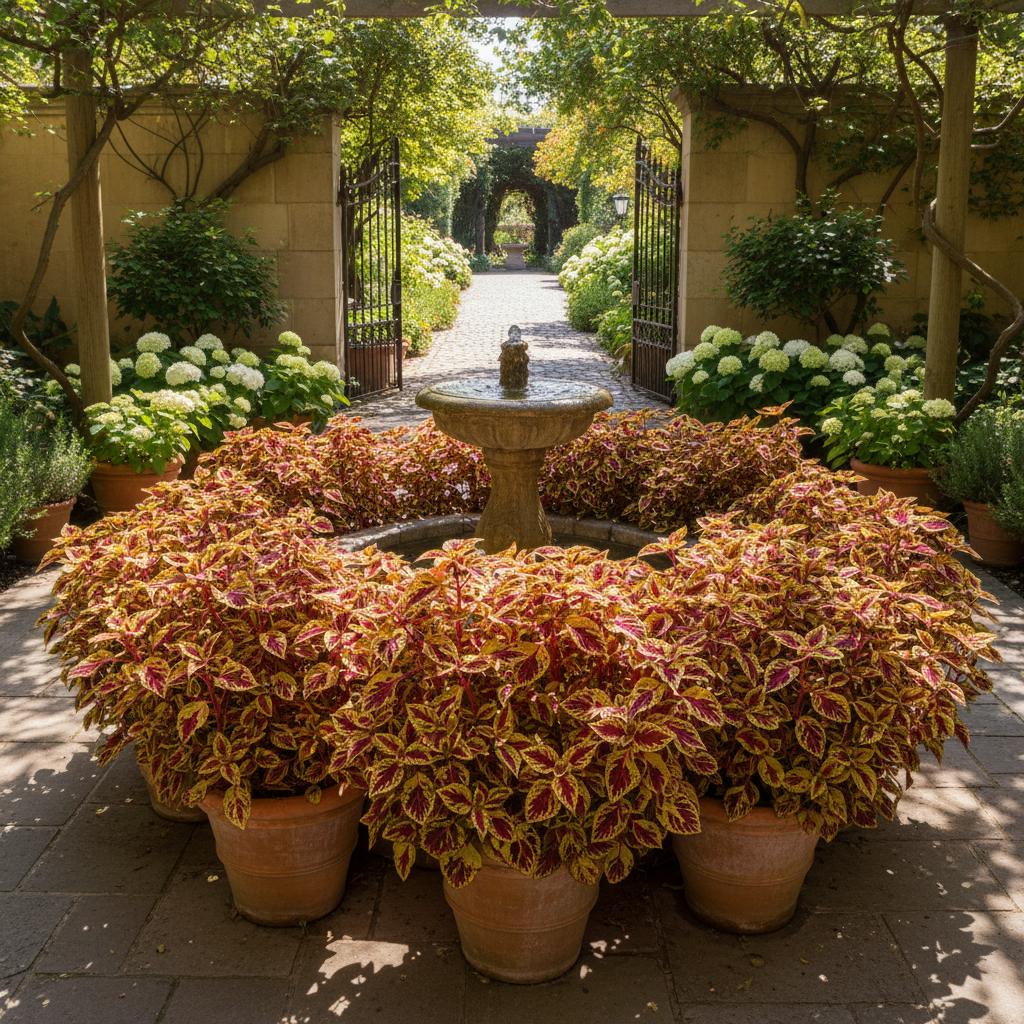
- Leaves: Opposite, ovate to rounded, often notched at the apex; this specific cultivar features bright green to yellow-green leaves with striking yellow, pink, or red venation.
- Stems: Fleshy, often reddish or pink, branching readily when pinched back.
- Flowers: Minute, greenish-white to pale yellow, borne in terminal panicles, though rarely seen in cultivation and ornamentally insignificant.
Care Guide
Watering
Keep soil evenly moist, watering when the top inch feels dry.
Fertilization
Apply a balanced liquid fertilizer every two weeks.. Feed regularly during the active growing season; halt fertilization during the winter months.
Banana Peel Tea:Soak chopped banana peels in water for 24-48 hours, strain, and use the liquid to water the plant. Avoid leaving raw peels on the soil surface to prevent fungus gnats and odors.Pruning
- Pinch back growing tips regularly to encourage a bushy, compact habit.
- Remove any dead or yellowing leaves at the base to maintain airflow.
- Snip off flower spikes if they appear, as they detract energy from foliage production.
Toxicity
Warning: this plant may be toxic.
Pets & Humans
Pets: Non-toxic to cats per ASPCA.
Humans: Generally considered non-toxic to humans, though ingestion of large amounts may cause mild stomach upset.
Garden Uses & Culture
Culture: Highly popular in Victorian-era carpet bedding schemes across Europe and North America for its striking, contrasting foliage.
Usage: Used extensively as an indoor ornamental foliage plant, in terrariums, or as a summer annual in outdoor borders and containers.