 PlantFun
Plant Needs
Characteristics
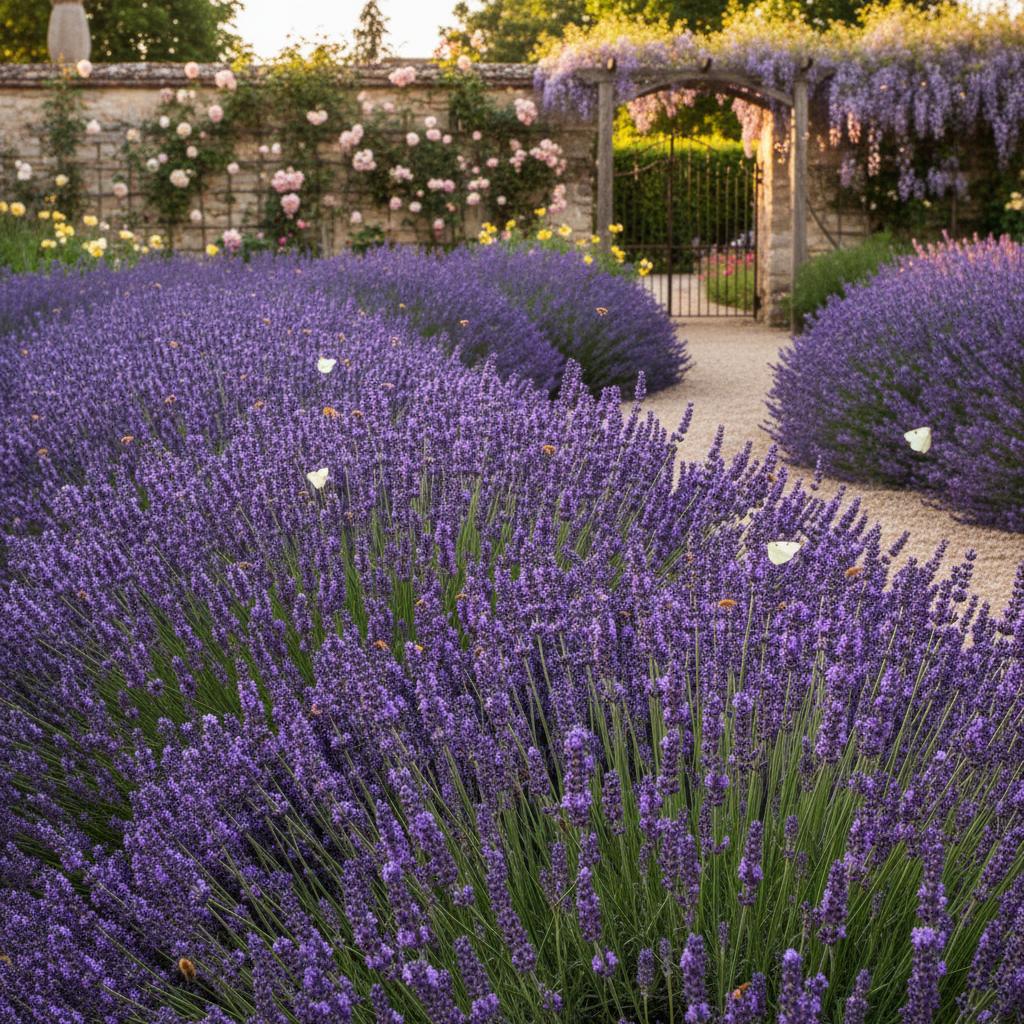
- Leaves: Evergreen, opposite, linear to lanceolate, silvery-grey to green, covered in fine hairs, and highly aromatic when crushed;
- Flowers: Long, pointed spikes of small, tubular, violet-blue to purple flowers borne on long, slender, often branched stems;
- Stems: Square-shaped, typical of the mint family, becoming woody at the base as the plant ages;
- Roots: Deep, extensive fibrous root system adapted to dry, rocky soils.
Care Guide
Water deeply but infrequently, allowing the soil to dry out completely between waterings.
Apply a very light layer of compost if the soil is extremely poor.. Lavandin thrives in lean soils and generally does not require supplemental feeding.
Crushed Eggshells:Crushed eggshells provide a slow release of calcium and help maintain the slightly alkaline soil pH that lavandin prefers. Rinse and dry shells thoroughly before crushing to prevent odors.- Prune immediately after flowering in late summer to maintain a compact, mounded shape;
- Cut back about one-third of the current year's growth, leaving at least an inch of green growth above the woody base;
- Never prune down into the old, leafless wood, as it may not regrow and can kill the plant;
- Remove dead or damaged branches in early spring to improve air circulation.
Toxicity
Warning: this plant may be toxic.
Pets: Toxic to cats per ASPCA. Contains linalool and linalyl acetate which can cause gastrointestinal upset.
Humans: Generally safe for humans; flowers are sometimes used sparingly in culinary applications, though the essential oil should never be ingested.
Garden Uses & Culture
Culture: In Western herbalism and European folklore, lavender represents purity, devotion, and serenity. It has been historically used in sachets to scent linens, ward off moths, and freshen homes.
Usage: Extensively cultivated for essential oil production (yielding more oil than English lavender), used in soaps, perfumes, dried floral arrangements, and water-wise landscaping.