 PlantFun
Plant Needs
Sunlight
Requires bright, direct sunlight to maintain compact growth and leaf coloration; tolerates partial shade in extreme heat.
Watering
Highly drought-tolerant. Allow the soil to dry out completely between waterings.
Temperature
Prefers warm climates and is not frost-hardy. Protect from freezing temperatures.
Characteristics
- Leaves: Fleshy, opposite, often boat-shaped (navicular) or triangular, varying in color from green to grayish or purplish-brown, sometimes mottled;
- Flowers: Small, star-shaped, typically yellow or pale yellow, borne on terminal cymes or panicles;
- Stems: Short, branching at the base, forming small clusters or low mats;
- Roots: Fibrous, adapted to shallow, rocky soils.
Care Guide
Watering
Water thoroughly when the soil is completely dry, ensuring excess water drains away.
Fertilization
Apply a light, diluted organic feed once.. Succulents require very little fertilizer; over-fertilizing can cause weak, leggy growth.
Banana Peel Tea:Soak chopped banana peels in water for 24-48 hours, strain, and dilute 1:1 with water. Use this liquid to water the plant during its active growing season to support root health. Discard the solid peels in a compost bin to avoid attracting fungus gnats.Pruning
- Remove dead or dried leaves at the base of the plant to prevent rot and pest accumulation;
- Snip off spent flower stalks near the base after blooming has finished;
- If the plant becomes leggy due to low light, the top rosette can be beheaded and replanted.
Toxicity
Warning: this plant may be toxic.
Pets & Humans
Pets: Non-toxic to cats per general Crassulaceae guidelines (excluding specific toxic genera).
Humans: Generally considered non-toxic to humans.
Garden Uses & Culture
Culture: Popular among succulent collectors in the Americas for its unique, trough-like foliage and rugged survival capabilities in xeriscaped gardens.
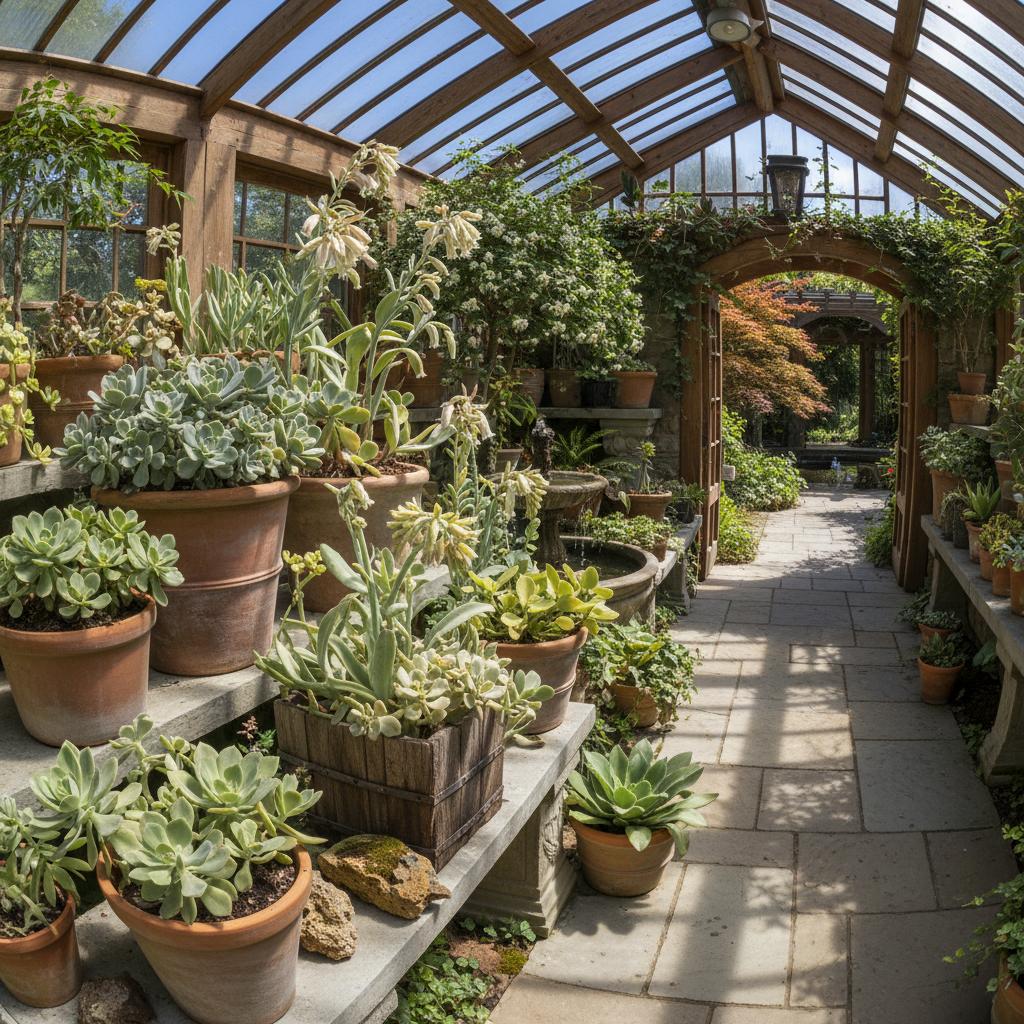
Usage: Excellent for rock gardens, container arrangements, xeriscaping, and as a low-maintenance potted houseplant.