 PlantFun
Plant Needs
Characteristics
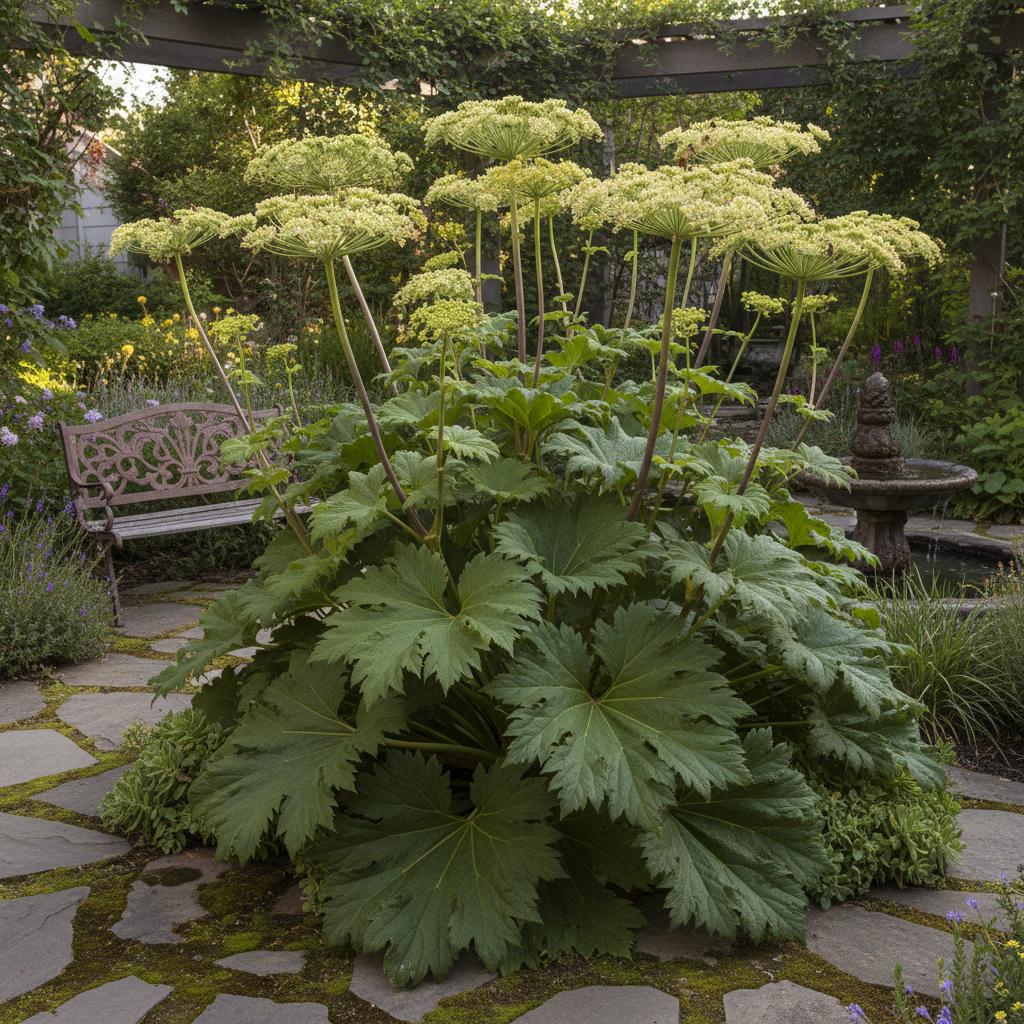
- Leaves: Basal, highly dissected and fern-like, often exhibiting a glaucous or slightly mottled appearance;
- Flowers: Small, typically yellowish to purplish, clustered in compound umbels atop leafless stalks;
- Root: Features a thick, fleshy taproot adapted for storing water and nutrients in arid environments.
Care Guide
Water sparingly during active spring growth; allow to dry completely in summer dormancy
Apply a very light top-dressing of compost if soil is completely barren. Requires very lean soil; avoid high-nitrogen fertilizers which can damage the plant.
Eggshell tea:Crush clean, dried eggshells and steep in water for a few days. Strain and use the water to provide gentle minerals without excess nitrogen. Avoid using raw, unrinsed shells to prevent odors.- Deadheading: Remove spent flower stalks to tidy the plant if desired;
- Foliage: Allow leaves to die back naturally in the summer to send energy back into the taproot;
- Cleanup: Clear away dead debris in late winter before new spring growth emerges.
Toxicity
Warning: this plant may be toxic.
Pets: No known toxicity to cats.
Humans: Generally considered non-toxic; related species have edible roots, though caution is required to avoid confusion with toxic Apiaceae.
Garden Uses & Culture
Culture: In the American West, plants in the genus Lomatium (biscuitroots) hold immense historical significance as a vital staple food source for Indigenous peoples, who dried and ground the starchy taproots into flour.
Usage: - **Ecological**: Important early-season nectar source for desert pollinators; - **Conservation**: Often monitored as a rare endemic species in its native range.