PlantFun
Plant Needs
Sunlight
Full sun exposure required for optimal fruit production; tolerates partial shade but may reduce yield
Watering
Keep soil consistently moist during growing season; avoid waterlogging to prevent root rot
Temperature
Thrives in warm, tropical to subtropical temperatures; cannot tolerate frost or temperatures below 15°C
Characteristics
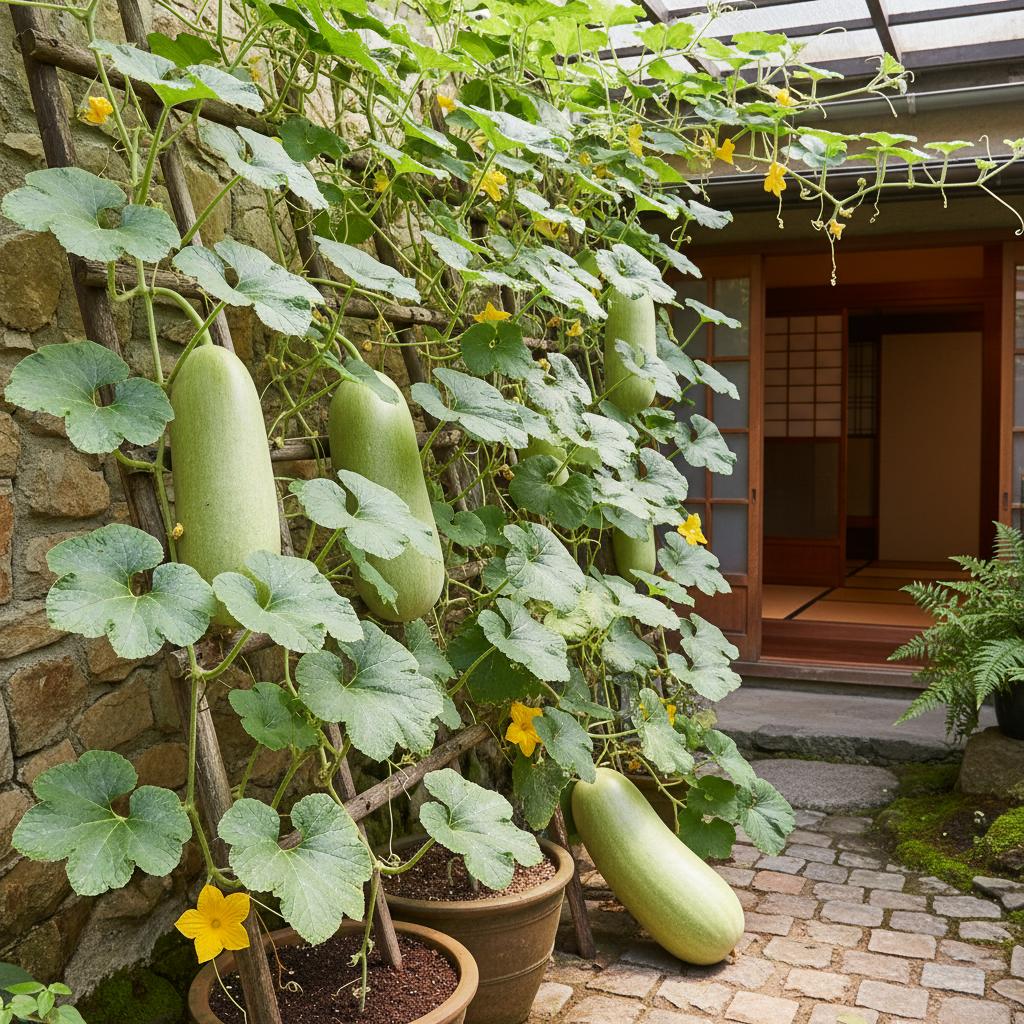
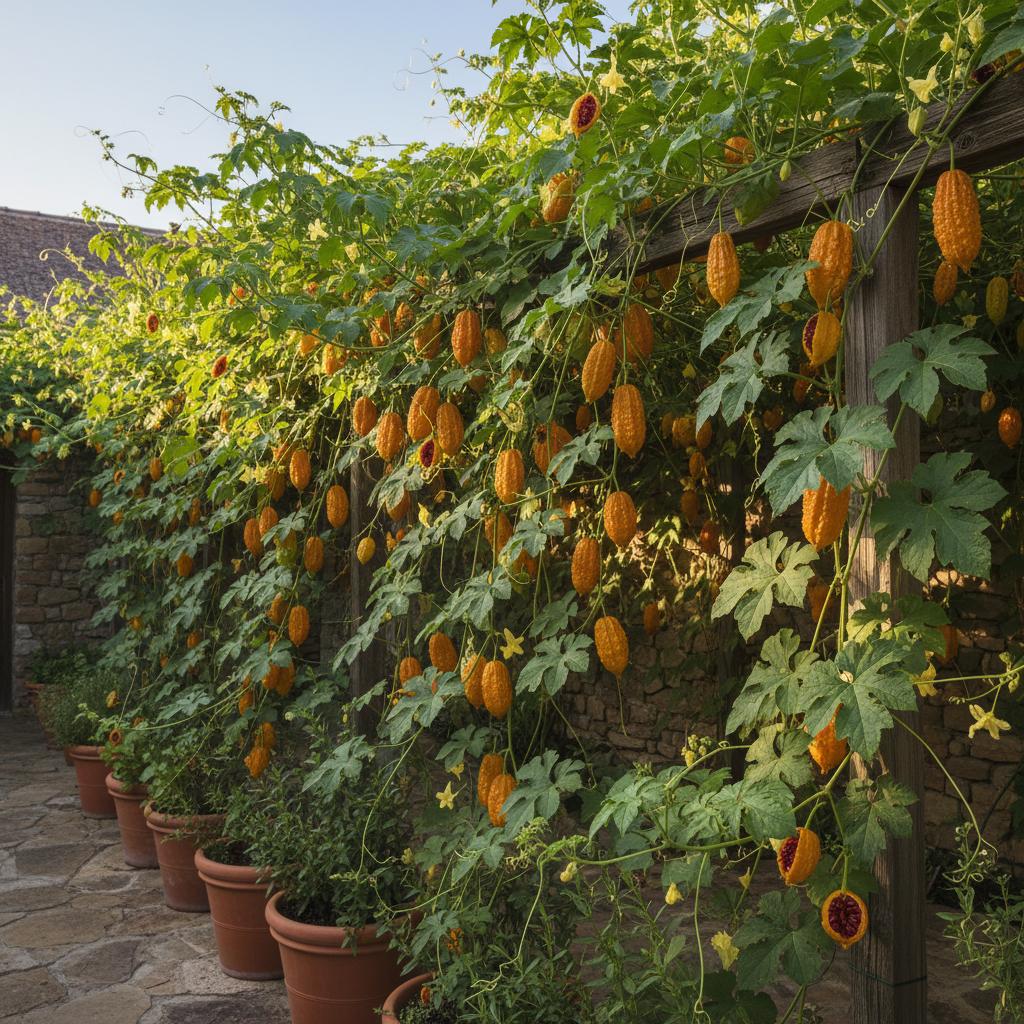
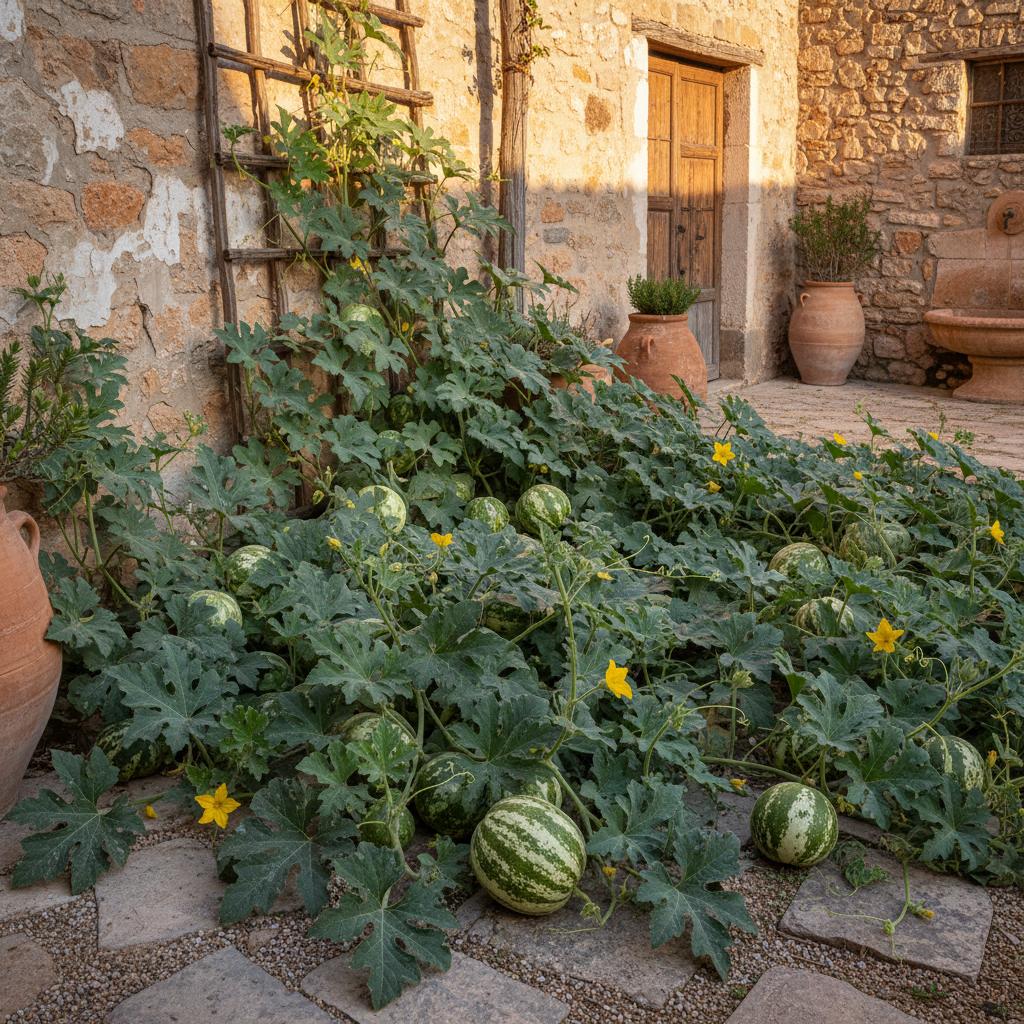
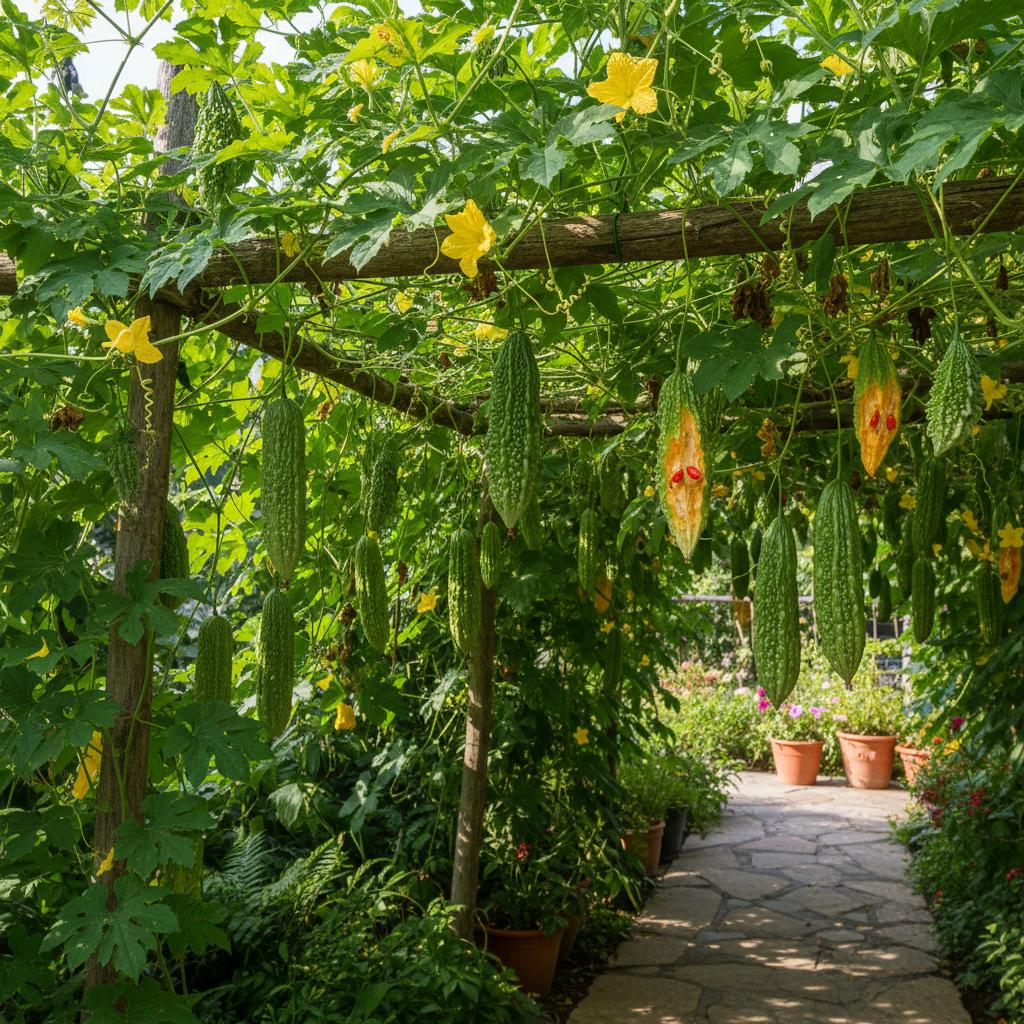
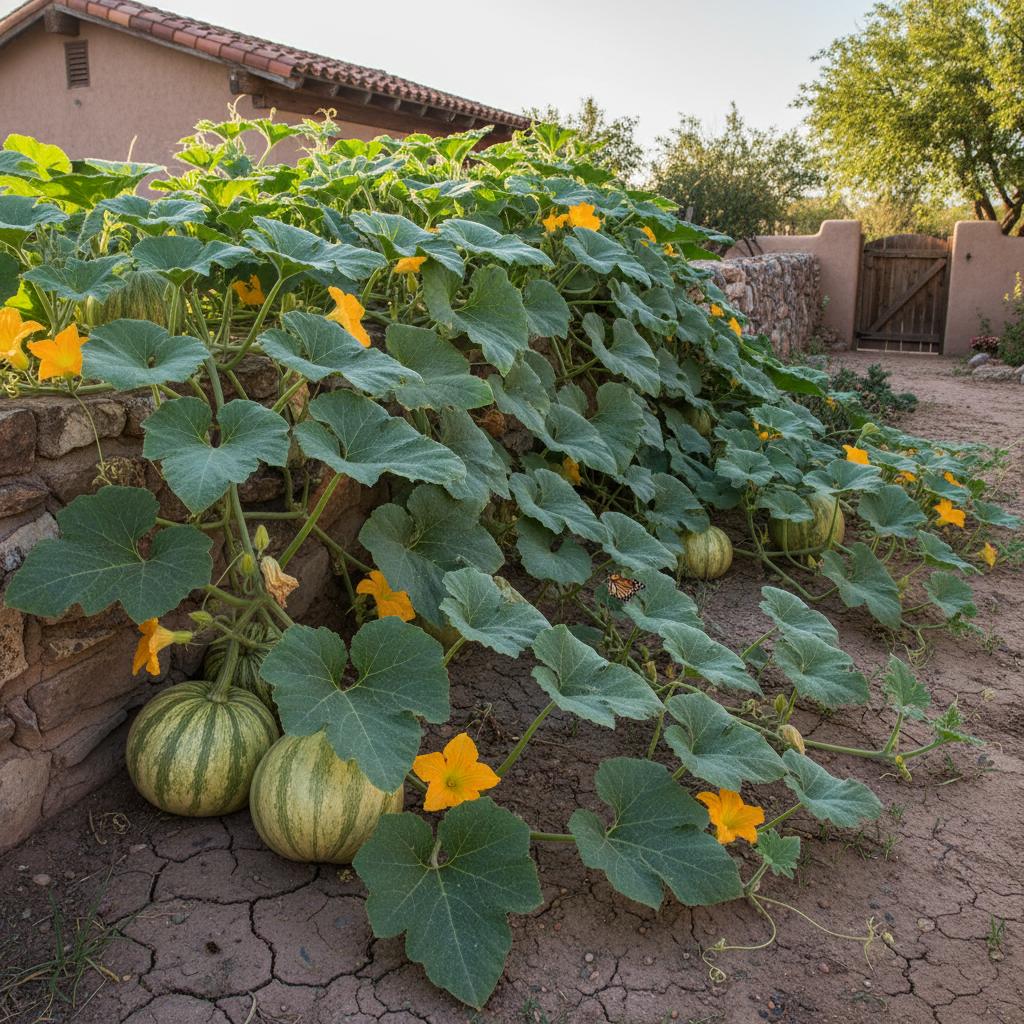
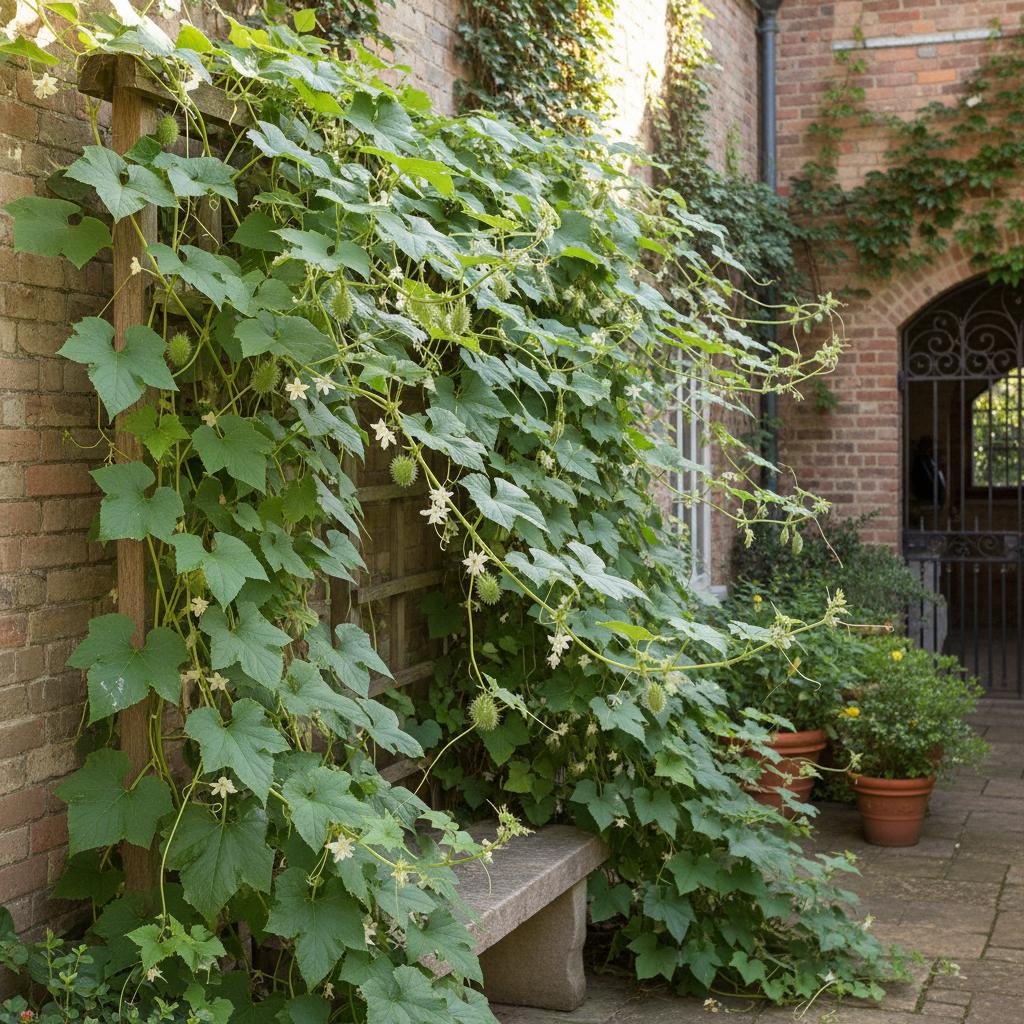
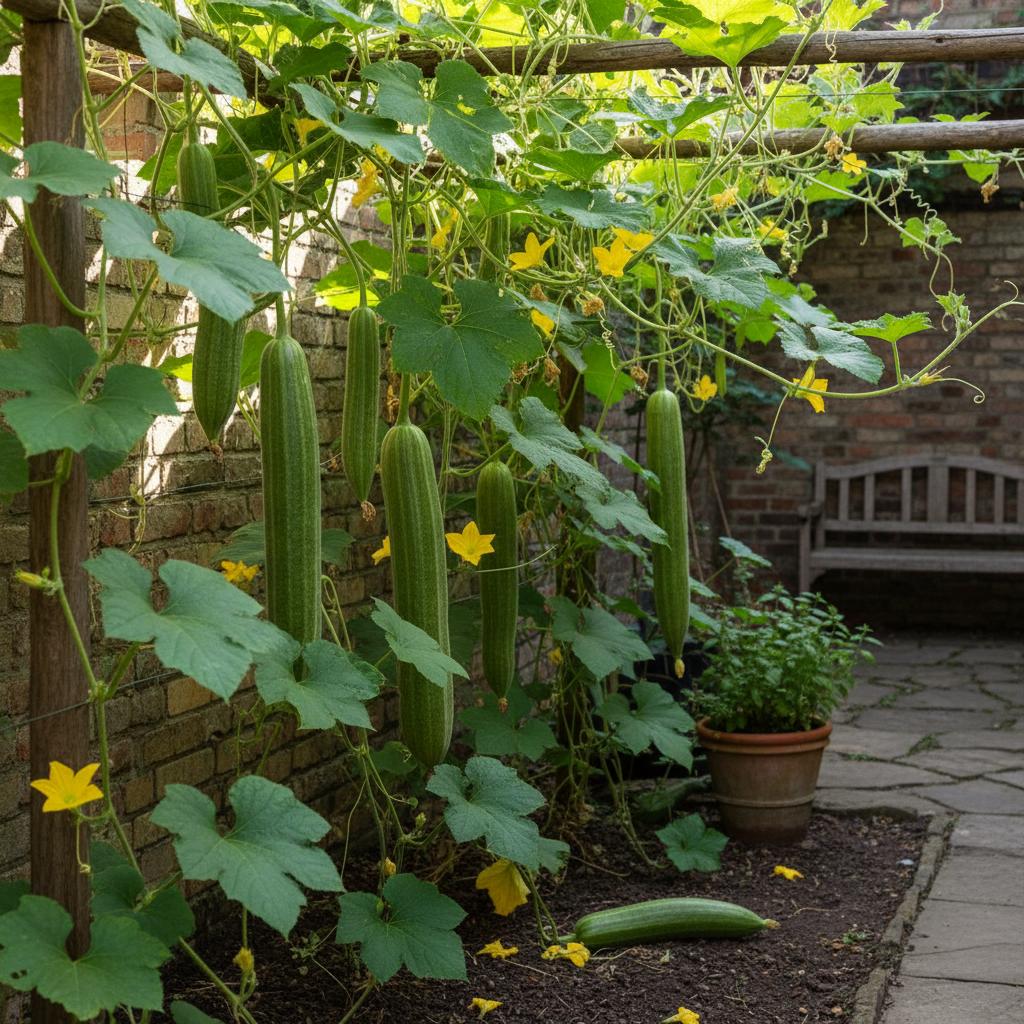
- Leaf: Large, palmately lobed, rough-textured green leaves with serrated margins
- Flower: Yellow, trumpet-shaped monoecious flowers (separate male and female blooms on the same plant)
- Fruit: Elongated cylindrical green gourds that dry to form fibrous, sponge-like interiors
Care Guide
Watering
Water deeply 2-3 times weekly to maintain moist soil
Fertilization
Apply balanced fertilizer every 2 weeks. Reduce fertilization once fruit begins to mature to avoid excessive foliage growth
Banana peel tea:Soak chopped banana peels in water for 3 days; dilute 1:10 before applying to soil to avoid nutrient burnPruning
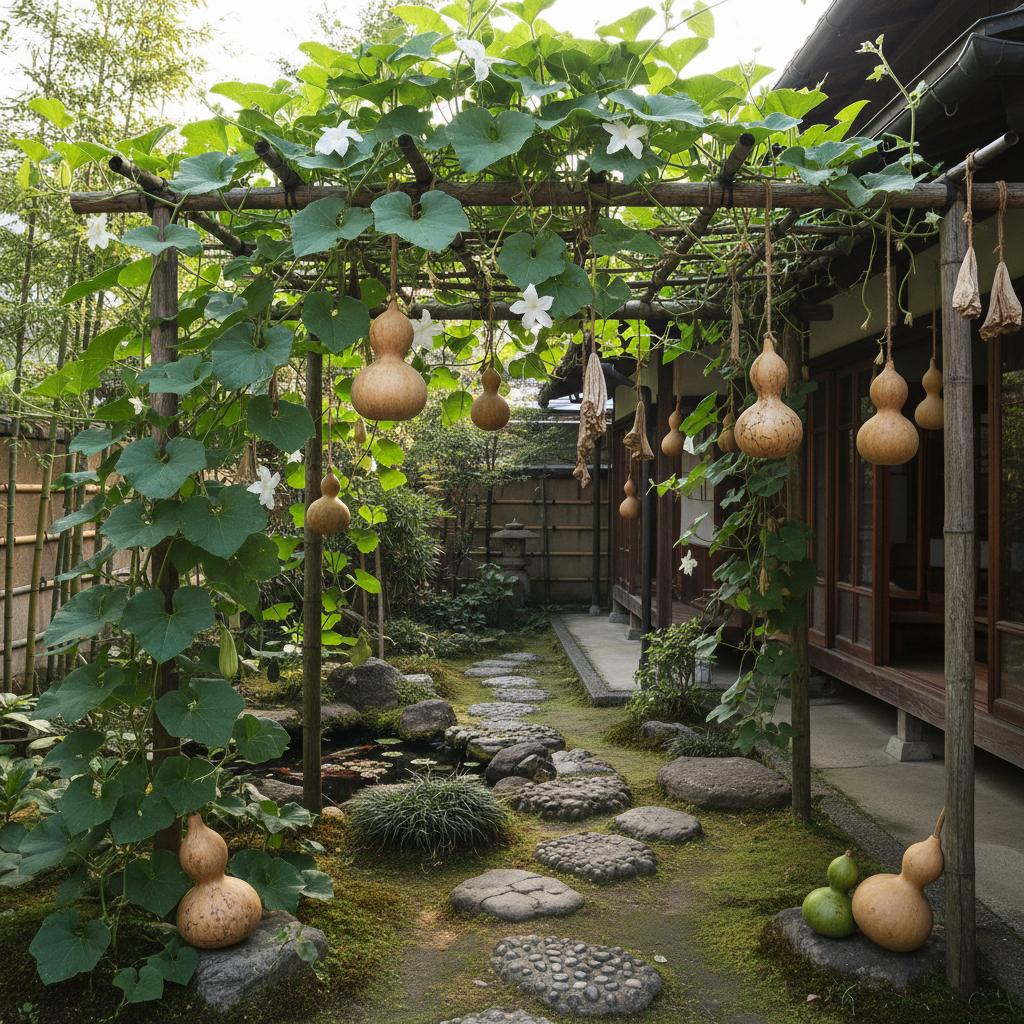
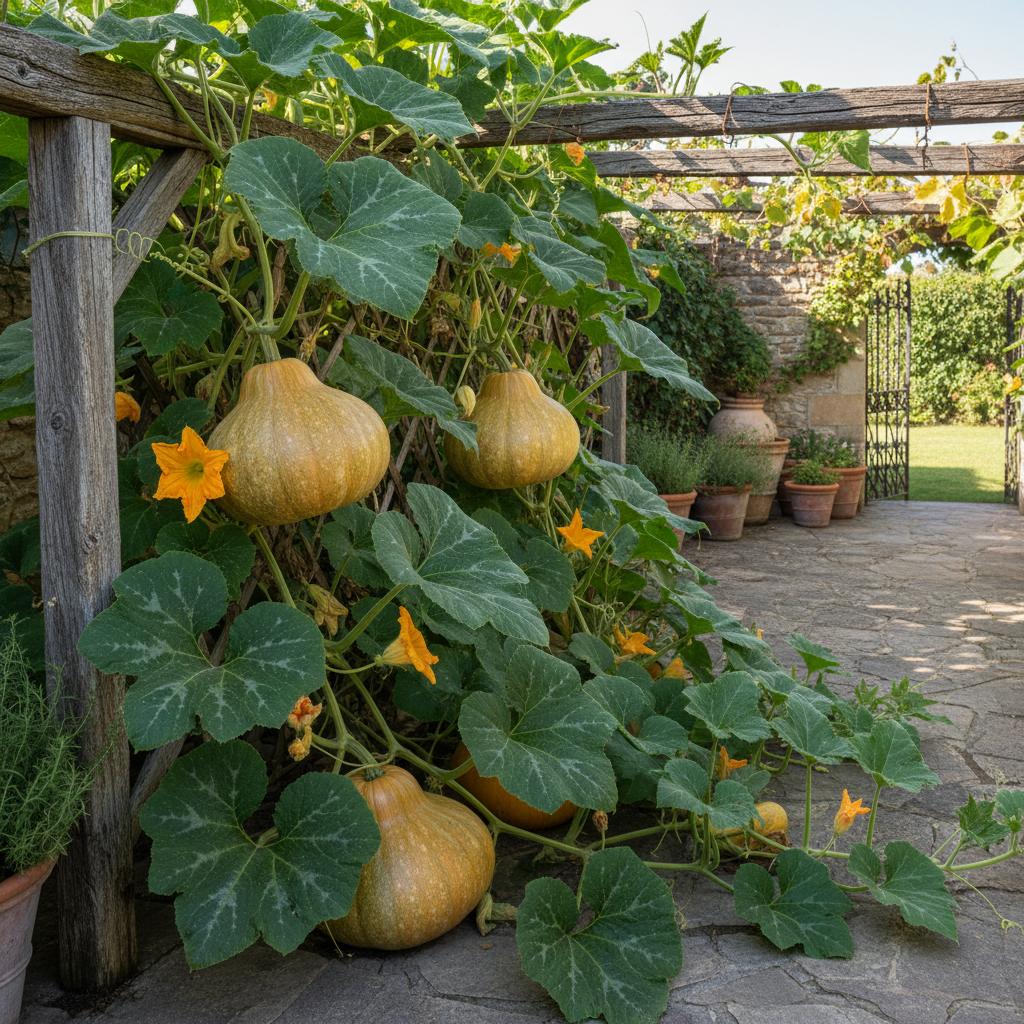
- Train vines to a trellis to support heavy fruit and improve airflow around foliage
- Remove dead or damaged leaves to reduce the risk of fungal diseases
- Pinch back growing tips to encourage lateral branching and increase fruit production
Toxicity
Warning: this plant may be toxic.
Pets & Humans
Pets: ASPCA: Non-toxic to cats; no reported adverse effects
Humans: No reported toxicity to humans; young fruit is edible as a vegetable
Garden Uses & Culture
Culture: N/A
Usage: Edible young fruit as a savory vegetable; mature dried fruit as a natural cleaning sponge or exfoliant