 PlantFun
Plant Needs
Characteristics
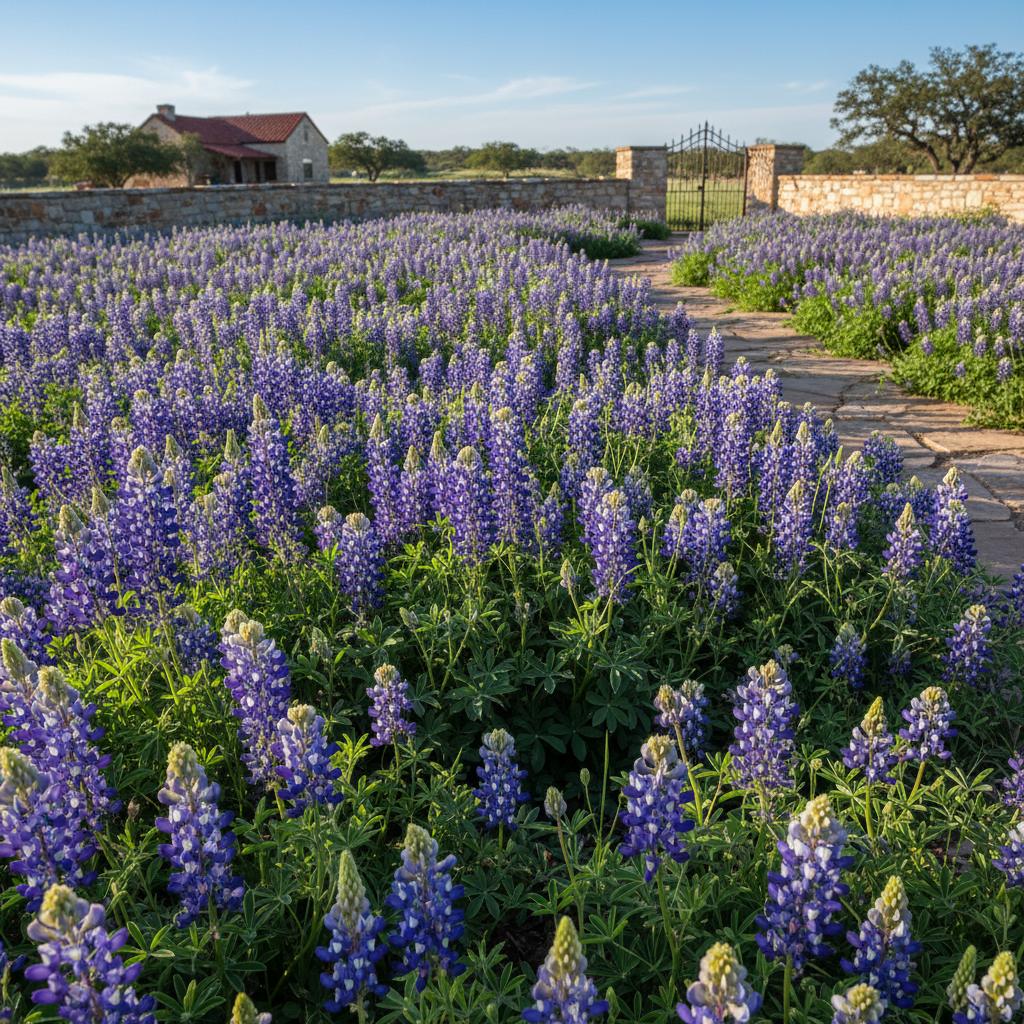
- Leaves: Palmately compound, typically with 5 to 6 leaflets, light green, covered in soft, silvery pubescence;
- Flowers: Dense raceme inflorescence, pea-like flowers, deep blue with a white to yellowish banner spot that turns reddish-purple after pollination;
- Stem: Light green, branching at the base, densely pubescent;
- Fruit: Hairy, flattened legume pod containing hard, pebble-like seeds.
Care Guide
Water moderately during active spring growth and blooming; reduce as the plant dies back in summer.
Apply a light, phosphorus-rich organic amendment if soil is very poor.. As a legume, it fixes its own nitrogen; avoid nitrogen-heavy fertilizers which promote foliage over flowers.
Banana Peel Tea:Steep chopped banana peels in water for 24-48 hours. Strain and use the liquid to water the base of the plant in early spring to support bloom development. Avoid using raw peels directly on the soil to prevent pests.- Deadheading: Remove spent flower spikes if you wish to prolong the blooming period;
- Seed Saving: Leave some pods on the plant to mature and dry if you want them to self-sow for the following year;
- Cleanup: Pull up and compost the entire plant once it turns brown and dies back in the summer heat.
Toxicity
Warning: this plant may be toxic.
Pets: Toxic per ASPCA. Ingestion can cause significant gastrointestinal and neurological issues.
Humans: Toxic if ingested, particularly the seeds and pods, which contain quinolizidine alkaloids.
Garden Uses & Culture
Culture: Designated as the state flower of Texas in 1901, it is deeply embedded in Southwestern American culture, celebrated with annual spring festivals and scenic wildflower drives.
Usage: Widely used in wildflower meadows, highway beautification, xeriscaping, and for natural soil improvement through nitrogen fixation.