 PlantFun
Plant Needs
Sunlight
Full sun to partial shade; prefers morning sun and protection from harsh afternoon rays in hot climates.
Watering
Moderate watering; keep soil consistently moist but not waterlogged, especially during the first few years of establishment.
Temperature
Hardy in USDA zones 5-9; flowers may be susceptible to late spring frosts.
Characteristics
- Leaves: Deciduous, obovate to elliptical, dark green, appearing after the flowers have bloomed;
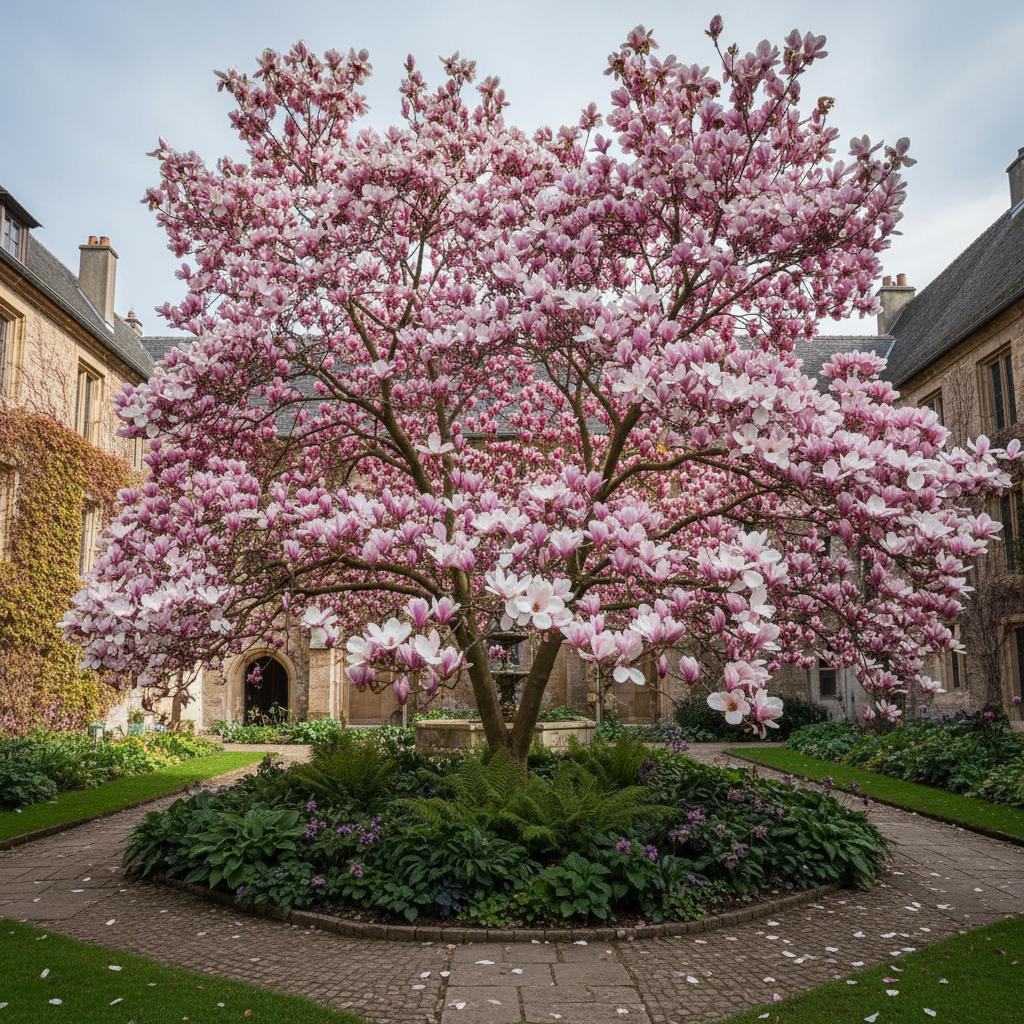
- Flowers: Large, goblet-shaped, deep burgundy to purple-black, up to 6 inches across, with thick, fleshy tepals that rarely open completely flat;
- Bark: Smooth, silvery-gray, developing slight fissures with age.
Care Guide
Watering
Water deeply once a week, increasing frequency during extreme heat or drought.
Fertilization
Apply a slow-release, balanced fertilizer or one formulated for acid-loving plants just before new growth begins.. Fertilize annually in early spring.
Coffee Ground Compost:Mix used coffee grounds with compost and apply around the drip line to gently boost acidity and nitrogen. Avoid applying thick layers of uncomposted grounds.Pruning
- Prune immediately after flowering to avoid cutting off next year's buds;
- Remove dead, diseased, or crossing branches to maintain a healthy framework;
- Keep pruning to a minimum, as magnolias generally do not respond well to heavy pruning.
Toxicity
Warning: this plant may be toxic.
Pets & Humans
Pets: Non-toxic per ASPCA guidelines.
Humans: Non-toxic; no known hazards to humans.
Garden Uses & Culture
Culture: In Western culture, magnolias are deeply associated with the American South, symbolizing hospitality, nobility, and perseverance. The striking dark blooms of 'Black Tulip' add a modern touch of dramatic elegance to spring gardens.
Usage: Specimen tree, focal point in landscape design, woodland gardens, and large containers.