 PlantFun
Plant Needs
Sunlight
Prefers bright, indirect light; avoid direct afternoon sun which can scorch the delicate fronds.
Watering
Keep soil consistently moist but not waterlogged; requires high ambient humidity.
Temperature
Thrives in warm indoor temperatures; protect from cold drafts and temperatures below 10°C.
Characteristics
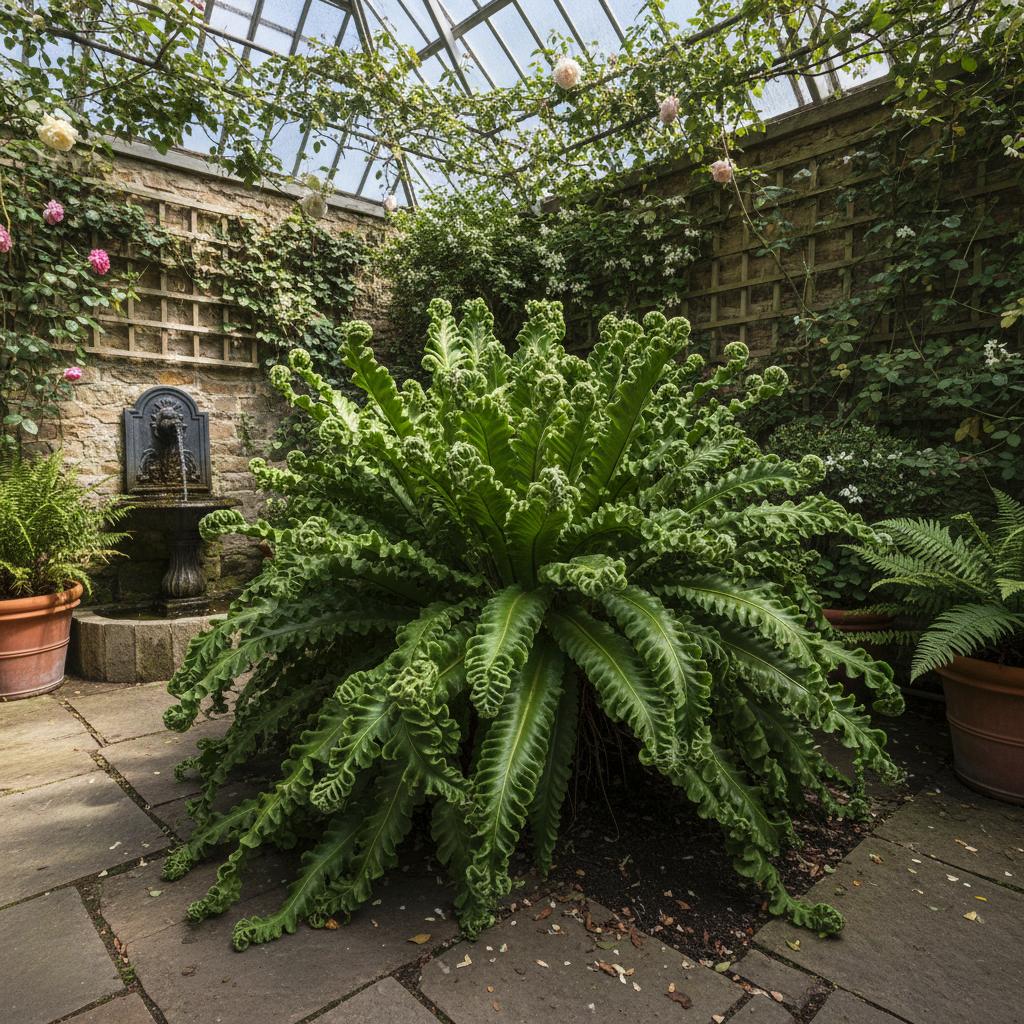
- Fronds: Highly divided, deeply lobed, and ruffled pinnae giving a dense, three-dimensional, chaotic appearance resembling a jester's hat;
- Rhizomes: Slender, creeping stolons that root at nodes;
- Habit: Arching, bushy, and compact growth form.
Care Guide
Watering
Water thoroughly when the top inch of soil feels dry, ensuring high humidity.
Fertilization
Apply a balanced, water-soluble fertilizer diluted to half strength.. Do not fertilize in winter when growth slows.
Banana Peel Tea:Soak chopped banana peels in water for 24-48 hours. Strain and dilute 1:1 with water. Apply to soil to support robust frond development. Avoid leaving raw peels on the soil surface to prevent fungus gnats.Pruning
- Remove dead, browned, or damaged fronds at the base to maintain a tidy appearance;
- Trim back any leafless stolons (runners) if they become unruly;
- Repot and divide the root ball every 2-3 years if the center becomes bare.
Toxicity
Warning: this plant may be toxic.
Pets & Humans
Pets: Non-toxic to cats per ASPCA.
Humans: Non-toxic to humans; safe to handle.
Garden Uses & Culture
Culture: Ferns became a symbol of Victorian botanical enthusiasm (Pteridomania) in 19th-century Europe, representing fascination with natural history and exotic indoor cultivation.
Usage: Popular indoor ornamental plant, excellent for hanging baskets or pedestals where its frilly fronds can cascade.