 PlantFun
Plant Needs
Characteristics
- Leaves: Basal leaves are oblong to lanceolate and stalked; stem leaves are alternate, arrow-shaped at the base, and clasping the stem, covered with branched hairs;
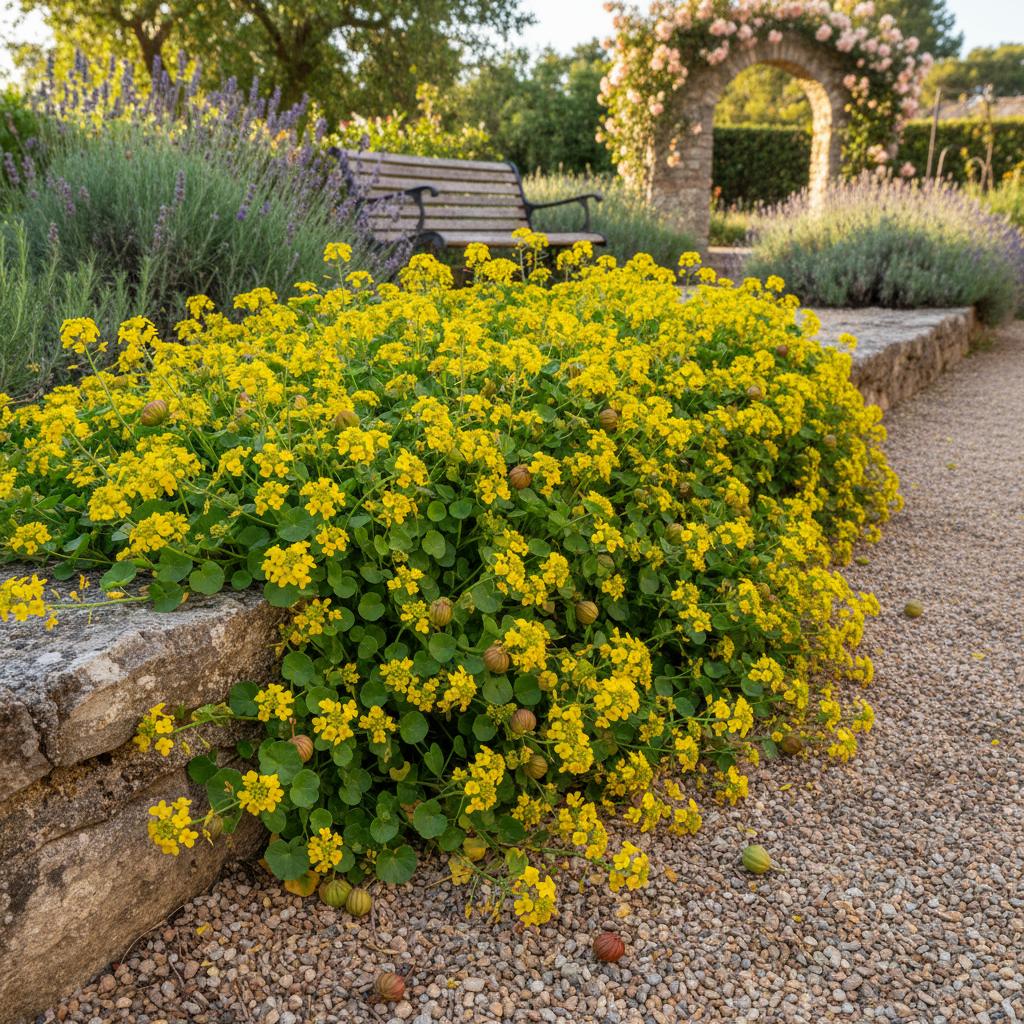
- Flowers: Small, bright yellow, 4-petaled, arranged in elongated terminal racemes typical of the mustard family;
- Fruit: Distinctive small, nearly spherical (globose) silicles, 2-3 mm in diameter, indehiscent, with a heavily reticulated (net-like) wrinkled surface;
- Stem: Erect, slender, branching in the upper portions, and covered with fine stellate (star-shaped) hairs.
Care Guide
Water moderately during active growth, allowing the topsoil to dry out between waterings.
Apply a light, balanced organic amendment if grown in extremely poor soil.. As a hardy weed, it rarely requires supplemental feeding.
Vegetable Scrap Compost Tea:Steep chopped vegetable scraps (like potato peels and carrot tops) in water for 3-4 days. Strain the liquid and dilute 1:1 with water before applying to the soil. Avoid using any animal products or oils to prevent foul odors and pests.- Deadheading: Remove spent flower stalks before they set seed to prevent aggressive self-seeding and unwanted spread;
- Thinning: Pull out excess seedlings in early spring to reduce competition if cultivating;
- Clearance: Uproot the entire plant at the end of the summer after its life cycle is complete.
Toxicity
Warning: this plant may be toxic.
Pets: Non-toxic per general botanical safety guidelines, though large ingestions of any plant material may cause mild upset.
Humans: Generally considered non-toxic, though not commonly consumed as food.
Garden Uses & Culture
Culture: Historically viewed in Europe and North America primarily as an agricultural weed, often found growing alongside grain crops and along railways.
Usage: - **Ecological**: Acts as a pioneer species, quickly covering bare, disturbed ground and preventing soil erosion; - **Wildlife**: Flowers provide early-season nectar for small pollinators and syrphid flies.