 PlantFun
Plant Needs
Characteristics
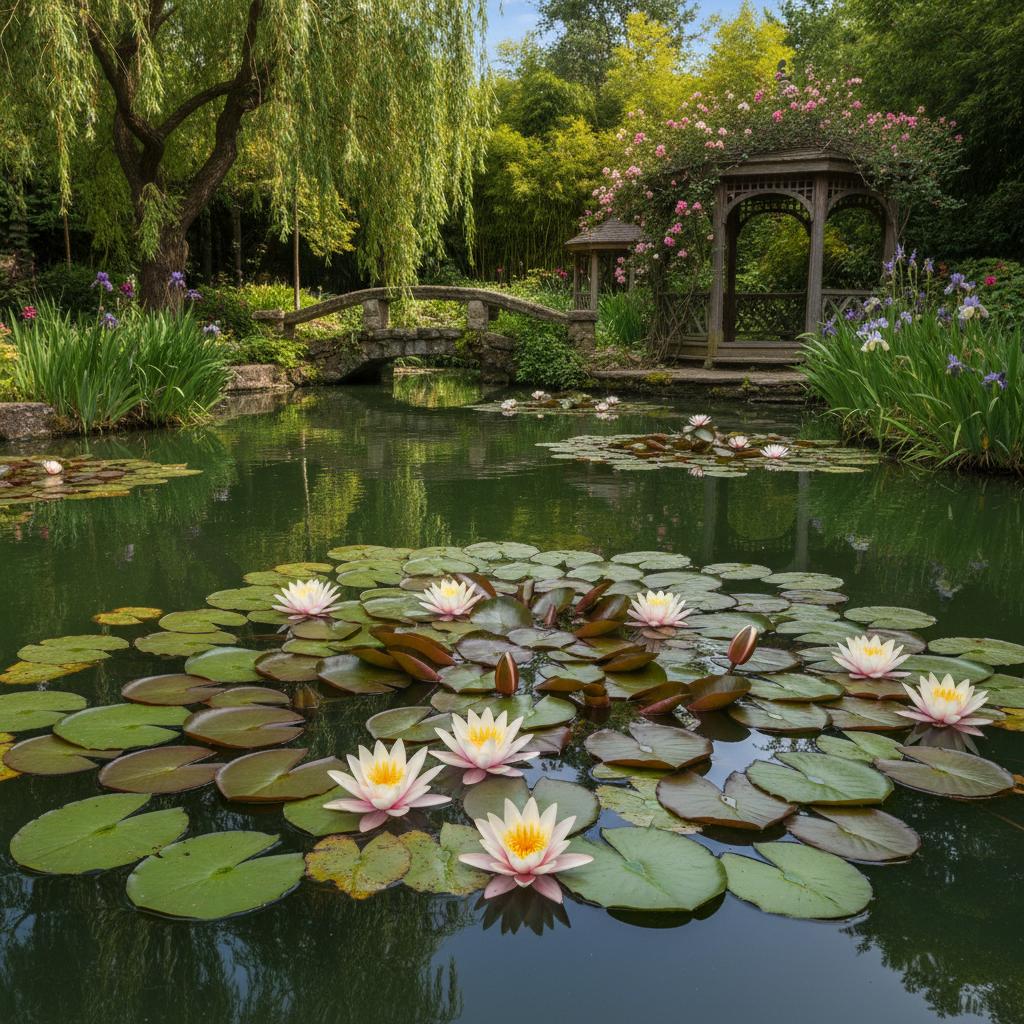
- Leaves: Floating, large, orbicular to heart-shaped, up to 30 cm in diameter, dark green above, reddish or purplish below, with a deep narrow sinus at the base;
- Flowers: Solitary, floating on the water surface, 10 - 20 cm across, with 20 - 25 white petals and numerous prominent yellow stamens;
- Stems: Flexible, spongy petioles that adjust to water depth, containing air canals (aerenchyma);
- Roots: Thick, fleshy, horizontal rhizomes anchored in the mud at the bottom of ponds or lakes.
Care Guide
Maintain water depth of 30-150 cm above the rhizome
Insert aquatic fertilizer tablets into the soil near the roots. Use specialized aquatic fertilizer tabs pushed deep into the pot's soil to feed the plant without causing algae blooms in the water.
Aquarium Change Water:Use nutrient-rich water from indoor freshwater aquarium changes to top up small patio water lily tubs. Avoid water treated with fish medications or high salts.- Remove yellowing or decaying leaves promptly to maintain water quality and prevent rot;
- Deadhead spent flowers by cutting the stem as close to the base as possible;
- Divide overgrown rhizomes every 2 to 3 years in early spring to maintain vigor and blooming capacity.
Toxicity
Warning: this plant may be toxic.
Pets: Non-toxic to cats per ASPCA guidelines.
Humans: Generally non-toxic; rhizomes and seeds were historically consumed after thorough boiling to remove bitter tannins.
Garden Uses & Culture
Culture: In Western art and culture, water lilies are the ultimate symbol of tranquility and natural beauty, immortalized by French Impressionist Claude Monet in his extensive series of paintings at Giverny.
Usage: - **Ornamental**: Essential for water gardens, ponds, and large aquatic containers; - **Ecological**: Provides essential shade for pond fish, offers resting spots for frogs, and helps reduce algae growth by blocking sunlight.