 PlantFun
Plant Needs
Characteristics
- Leaves: Compound, biternate, with lanceolate to elliptic leaflets, dark green and often tinged red when young;
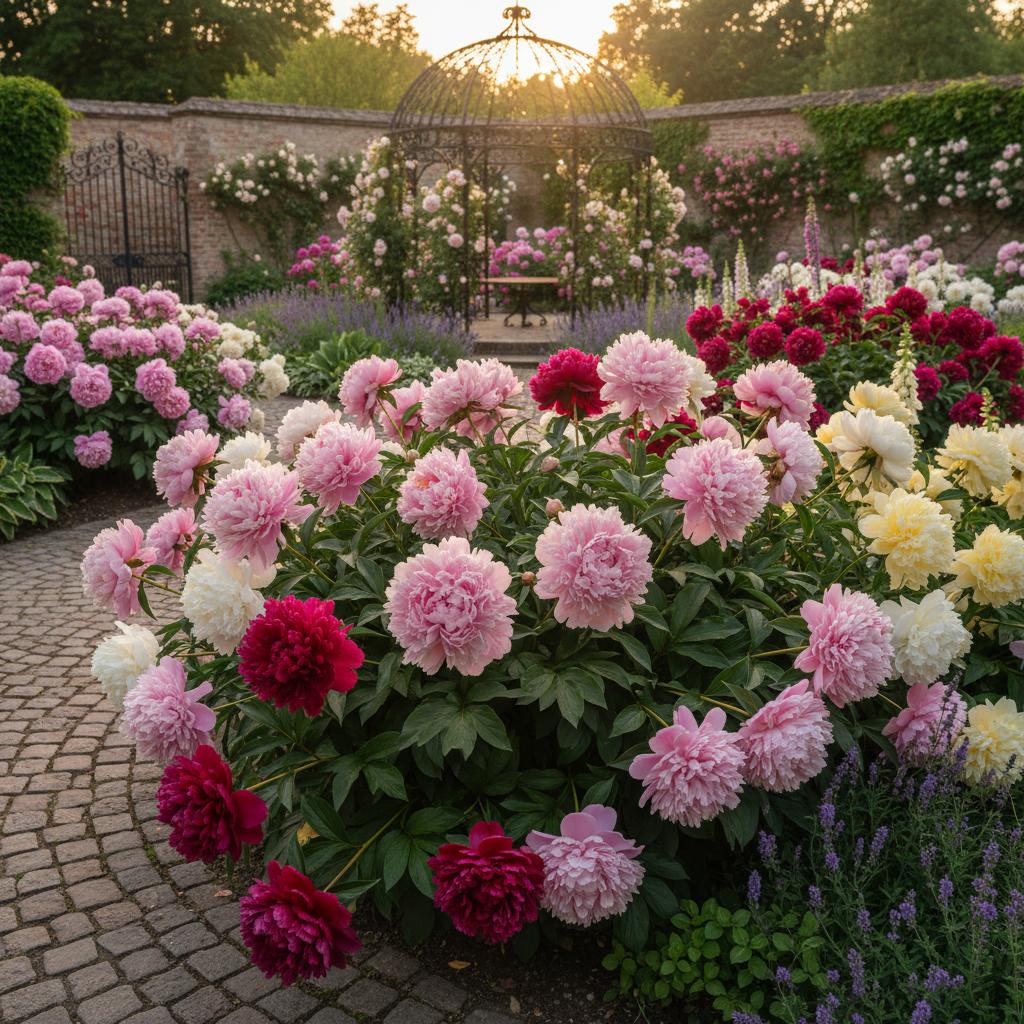
- Flowers: Large, showy, 8-16 cm across, fragrant, with 5-10 white, pink, or crimson petals and prominent yellow stamens;
- Stems: Herbaceous, dying back to the ground in winter, sturdy but may require staking when in heavy bloom;
- Roots: Thick, tuberous, fleshy roots that store nutrients for winter dormancy.
Care Guide
Water deeply once a week, increasing frequency during dry spells or extreme heat.
Apply a low-nitrogen, high-phosphorus top dressing as new shoots emerge.. Avoid high-nitrogen fertilizers, which promote foliage growth at the expense of flowers.
Banana Peel Tea:Steep chopped banana peels in water for 24-48 hours. Strain and use the liquid to water the base of the plant to encourage robust blooming. Discard the solid peels in a compost bin to avoid attracting pests.- Deadhead spent flowers immediately to prevent seed production and conserve the plant's energy;
- Do not remove green foliage in summer, as it is actively photosynthesizing to feed the roots for next year;
- Cut all foliage down to the ground in late autumn after it dies back and turns brown;
- Remove and discard the dead autumn foliage in the trash (not compost) to prevent overwintering fungal diseases like botrytis.
Toxicity
Warning: this plant may be toxic.
Pets: Toxic (per ASPCA); ingestion can cause gastrointestinal irritation and depression.
Humans: Mildly toxic if ingested in large quantities, primarily causing stomach upset.
Garden Uses & Culture
Culture: In Western culture, peonies are deeply associated with romance, prosperity, and bashfulness. They became a staple of Victorian cottage gardens and remain the traditional floral gift for a 12th wedding anniversary.
Usage: Widely used in ornamental landscaping, herbaceous borders, and as premium cut flowers in the floral industry.