 PlantFun
Plant Needs
Characteristics
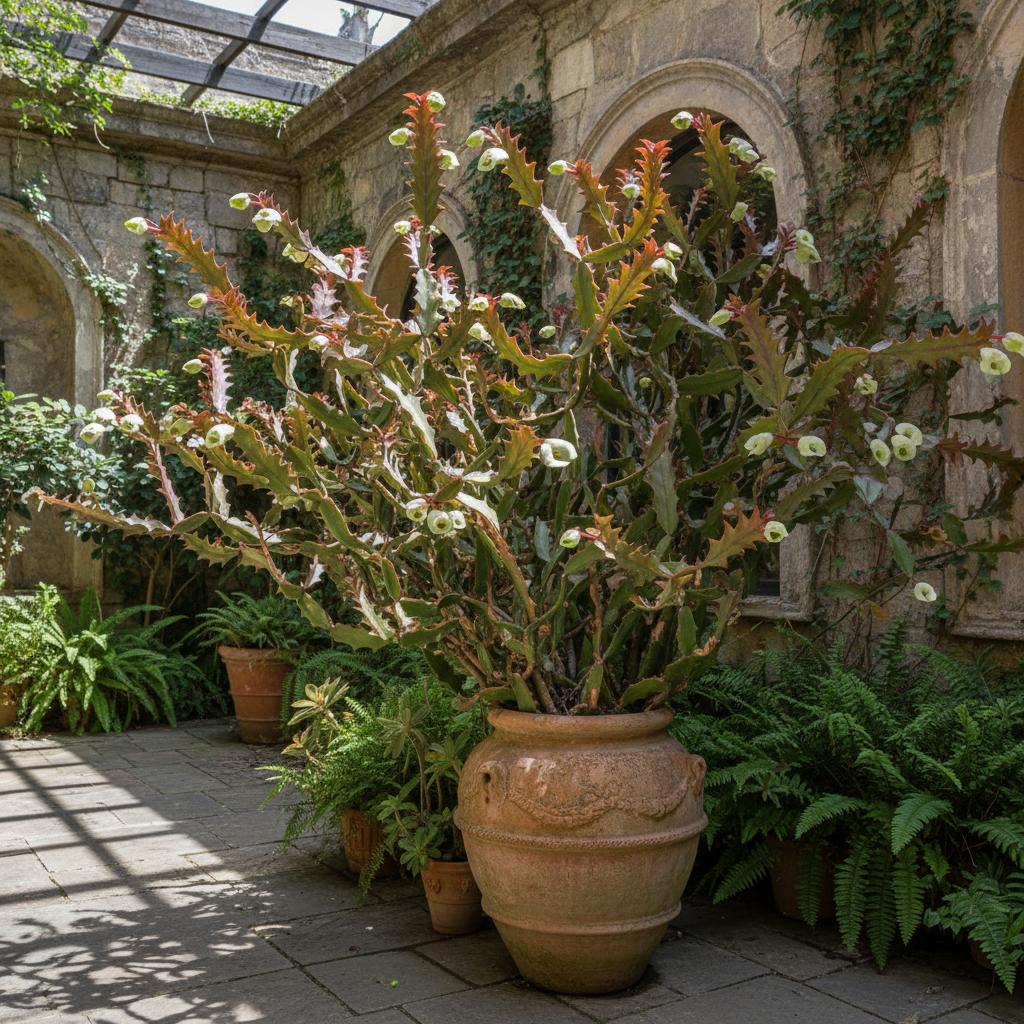
- Leaves: Simple, alternate, narrowly elliptic to lanceolate, dark green above and silvery-white pubescent beneath;
- Stems: Slender, pendulous, fast-growing, forming dense curtain-like screens;
- Flowers: Small, tubular, pinkish-white to pale purple, borne in terminal or axillary corymbs, lacking ray florets.
Care Guide
Water deeply when the top inch of soil feels dry.
Apply a balanced slow-release fertilizer at the start of the growing season.. Feed regularly during the active growing season for lush foliage.
Banana Peel Tea:Steep chopped banana peels in water for 24-48 hours. Dilute 1:1 with water and apply to the soil to promote root health and occasional blooming. Discard peels in compost to avoid attracting pests.- Prune regularly to control length and shape the 'curtain';
- Remove dead or damaged vines to encourage healthy new growth;
- Thin out dense areas to improve air circulation and prevent fungal issues.
Toxicity
Warning: this plant may be toxic.
Pets: No known toxicity to cats, though ingestion of large amounts of plant material may cause mild gastrointestinal upset.
Humans: Generally considered non-toxic to humans.
Garden Uses & Culture
Culture: Often used in modern urban landscaping to create 'green walls' and natural privacy screens, symbolizing the integration of nature into concrete environments.
Usage: - **Ornamental**: Widely planted along boundary walls, balconies, and pergolas to create a cascading green screen; - **Environmental**: Helps in reducing urban heat and providing shade.