 PlantFun
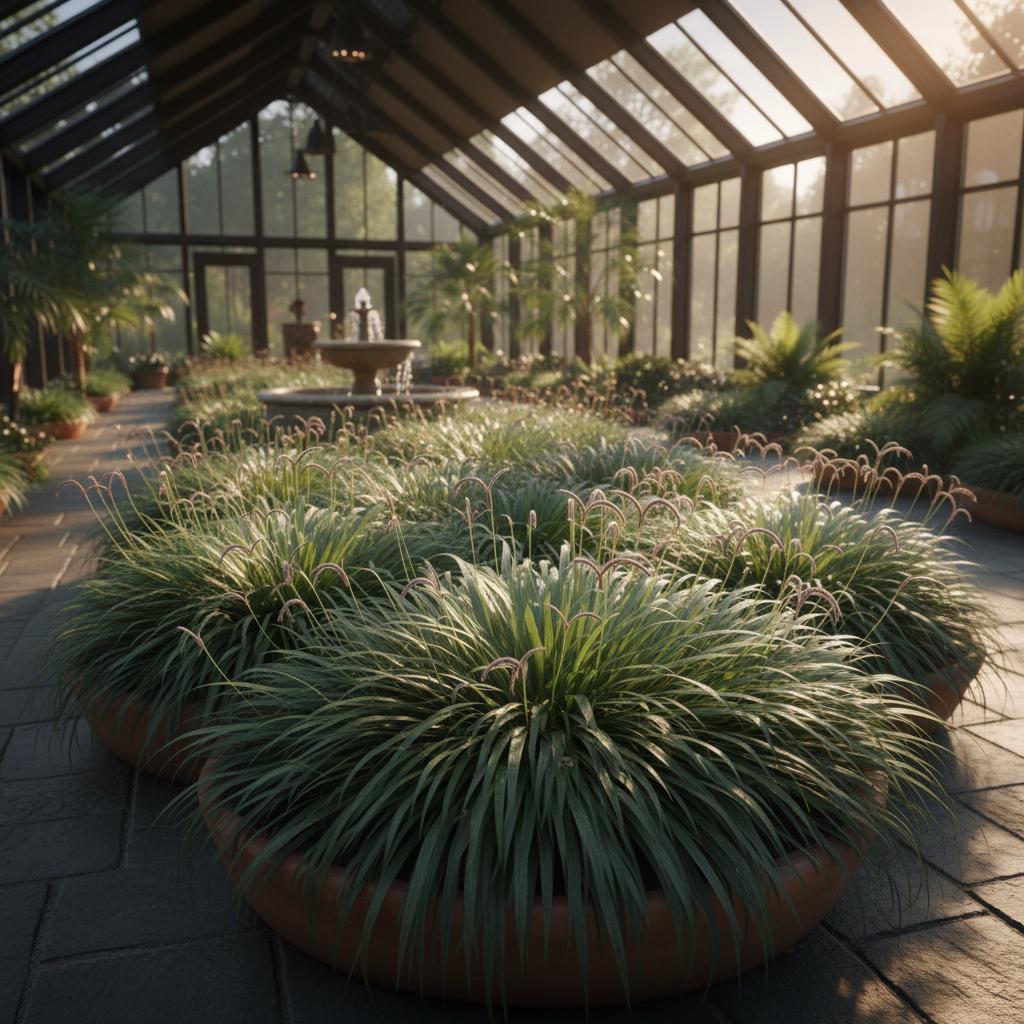
Plant Needs
Sunlight
Requires full sun for optimal growth and dense turf formation.
Watering
Highly drought-tolerant once established; water deeply but infrequently.
Temperature
Thrives in hot climates; goes dormant and turns brown during winter frosts.
Characteristics
- Leaves: Blades are flat, folded at the base, typically 2-8 mm wide, forming a dense, low-growing mat;
- Flowers: Distinctive Y-shaped or V-shaped paired racemes at the apex of the stem, bearing small, flattened spikelets along one side;
- Stems: Spreads via thick, woody, creeping rhizomes that root firmly at the nodes, creating a robust network.
Care Guide
Watering
Water deeply when the top inch of soil dries out
Fertilization
Apply a light nitrogen boost as green-up begins. Avoid over-fertilizing, which can increase thatch buildup and disease susceptibility.
Grass Clipping Mulch:Leave finely mulched grass clippings on the lawn after mowing to naturally return nitrogen and moisture to the soil; ensure clippings are not clumped to avoid smothering the grass.Pruning
- Mowing: Mow regularly to a height of 2 to 3 inches to maintain turf density;
- Seedhead Removal: Frequent mowing is required in summer to remove the tough, fast-growing Y-shaped seed stalks;
- Blade Care: Keep mower blades sharp, as the tough stems can tear easily and leave jagged, brown edges.
Toxicity
Warning: this plant may be toxic.
Pets & Humans
Pets: Non-toxic to cats per ASPCA.
Humans: Non-toxic to humans.
Garden Uses & Culture
Culture: Widely utilized across the southern United States and South America as a low-maintenance utility turf and resilient pasture grass.
Usage: Commonly used for lawns, pastures, forage, and erosion control along highways and disturbed soils.