 PlantFun
Plant Needs
Characteristics
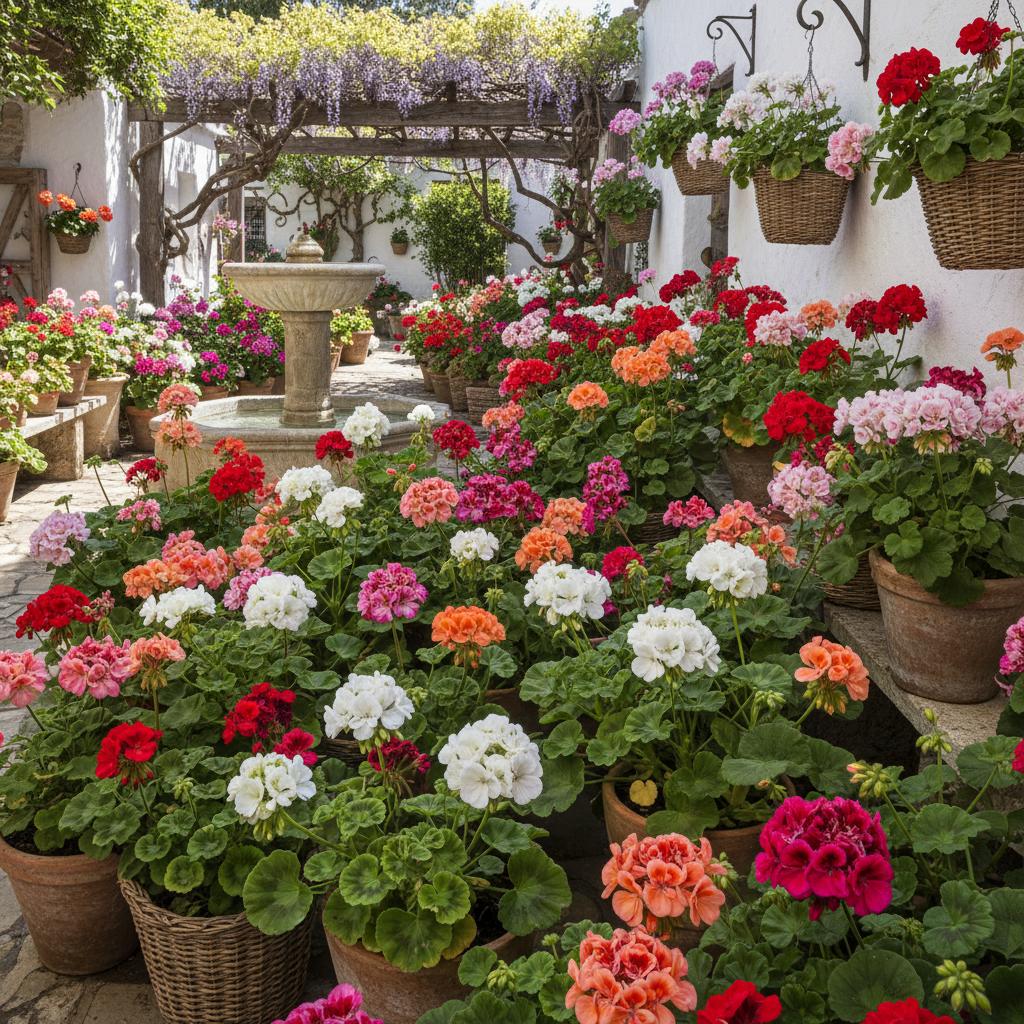
- Leaves: Rounded to cordate, 5-10 cm across, often featuring a dark horseshoe-shaped "zonal" band, scalloped margins, and fine pubescence;
- Flowers: Umbel-like inflorescences borne on long stalks, featuring single or double flowers in shades of red, pink, salmon, white, or bicolors;
- Stem: Succulent to semi-woody at the base, erect, branching, and covered in fine hairs;
- Roots: Fibrous root system, adapting well to container growth.
Care Guide
Water deeply once the top inch of soil dries out, ensuring excellent drainage.
Apply a balanced or phosphorus-rich fertilizer to kickstart blooming.. Feed monthly during the active growing season; withhold fertilizer during winter dormancy.
Banana Peel Tea:Steep chopped banana peels in water for 24-48 hours. Dilute the liquid 1:1 with water and apply to the soil to boost blooming. Discard the solid peels in an outdoor compost bin to avoid attracting fungus gnats indoors.- Deadheading: Remove spent flower stalks at their base to redirect energy into new blooms;
- Pinching: Pinch back the growing tips of young plants to encourage a bushier, more compact habit;
- Cleanup: Remove yellowing or dead leaves regularly to improve air circulation and prevent disease.
Toxicity
Warning: this plant may be toxic.
Pets: Toxic per ASPCA; ingestion can cause vomiting, anorexia, and depression, while contact may cause dermatitis.
Humans: Foliage may cause minor skin irritation in sensitive individuals; ingestion can lead to mild gastrointestinal upset.
Garden Uses & Culture
Culture: In Victorian floriography, the geranium was a popular parlor plant, with different varieties symbolizing sentiments ranging from true friendship to comfort and melancholy.
Usage: Widely used as ornamental bedding plants, in container gardens, window boxes, and hanging baskets.