 PlantFun
Plant Needs
Sunlight
Prefers bright, indirect light; avoid direct afternoon sun which can scorch the leaves and fade the red coloration.
Watering
Allow the top 50% of the soil to dry out completely between waterings to prevent root rot.
Temperature
Thrives in warm household temperatures; protect from cold drafts below 15°C (59°F).
Characteristics
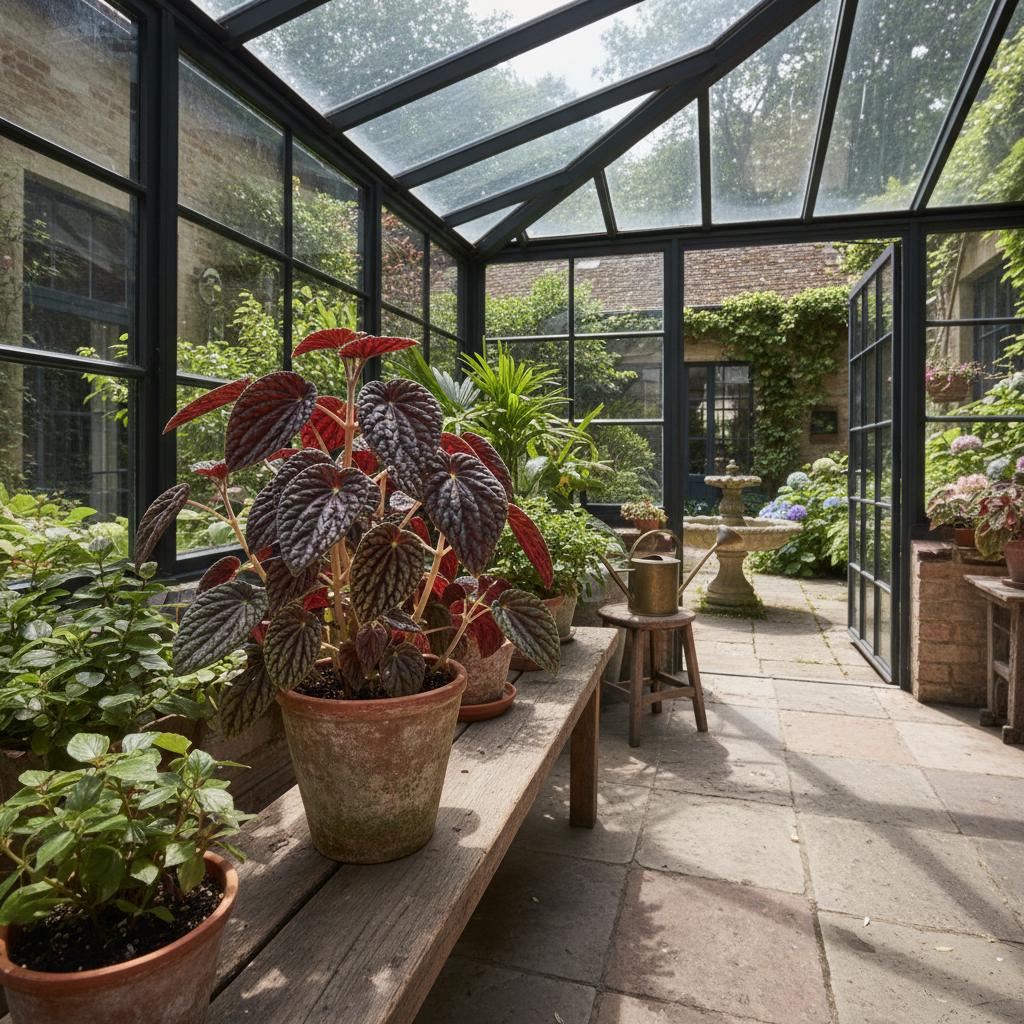
- Leaves: Heart-shaped, deeply corrugated (caperate), dark red to burgundy or purplish-green, with prominent veins and a slightly fleshy texture;
- Flowers: Slender, greenish-white to reddish-brown spadix-like spikes (often called "rat tails") rising above the foliage on thin stalks;
- Stems: Short, fleshy, often reddish or pinkish, growing in a dense rosette formation.
Care Guide
Watering
Water thoroughly when the top half of the soil is dry.
Fertilization
Apply a diluted, balanced fertilizer.. Do not over-fertilize, as Peperomias are light feeders and sensitive to salt buildup.
Banana Peel Tea:Soak chopped banana peels in water for 24-48 hours, strain, and dilute 1:1 with fresh water. Use this to water the plant to support strong cellular structure and root health. Avoid leaving organic matter on the soil surface to prevent fungus gnats.Pruning
- Deadheading: Snip off spent flower spikes at the base to redirect the plant's energy back into foliage growth;
- Maintenance: Remove any yellowing, damaged, or mushy leaves at the base of the stem;
- Shaping: Generally does not require pruning for shape due to its naturally compact, mounding habit.
Toxicity
Warning: this plant may be toxic.
Pets & Humans
Pets: Non-toxic to cats (per ASPCA).
Humans: Non-toxic to humans; safe to handle.
Garden Uses & Culture
Culture: Highly valued in Western indoor gardening for its space-saving, sculptural foliage, making it a staple for terrariums and desktop displays since the mid-20th century houseplant boom.
Usage: - **Ornamental**: Excellent for desktops, shelves, and terrariums; - **Companion Planting**: Pairs well with other humidity-loving, low-light plants like Fittonias and small ferns.